
Spot Real Artisanal Indian Snacks: Jaggery, Desi Ghee, Batch Dates

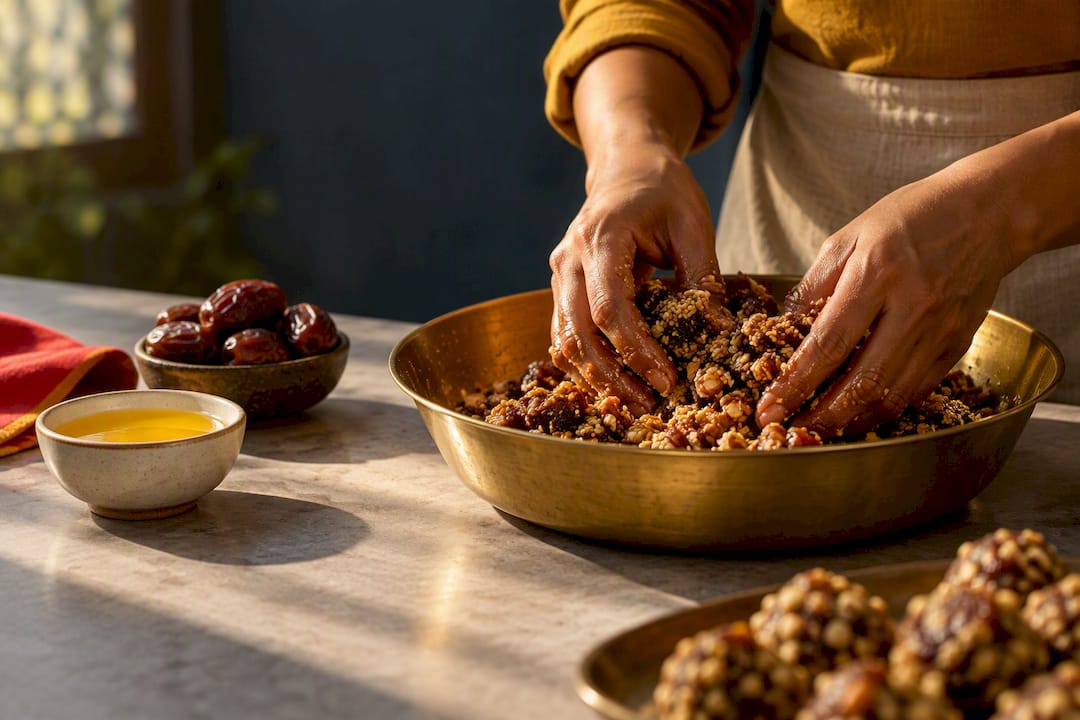
Artisanal Indian snacks are small-batch, handmade treats made with traditional recipes, real ingredients like jaggery and desi ghee, and little to no shortcuts. The fastest way to find authentic ones is skipping the supermarket aisle and going straight to direct-to-consumer artisan brands or transparent snack-box curators who tell you exactly what’s inside. This first camp includes brands selling small-batch Indian snacks, sweets, and pickles made in traditional homemade styles.
TL;DR:
Authentic small-batch Indian snacks are made through hand-mixing spices, slow roasting, and using real ingredients like jaggery and desi ghee, with noticeable variation in color and aroma.
Verifying artisanal quality involves checking for specific labels like batch or made-on dates, ingredient transparency, and asking sellers about preservation methods.
Prices are generally higher than supermarket snacks, reflecting the use of genuine ingredients and traditional processes, but large markup without transparency indicates mass production.
Delivery options vary from direct-to-consumer brands, curated boxes, marketplaces like Etsy, to local markets, each with tradeoffs in freshness and sourcing clarity.
Proper storage requires airtight containers away from light and humidity, with most snacks best eaten within a short window to preserve flavor and texture.
Table of Contents
What Makes a Snack Truly Artisanal?
Artisanal isn’t a marketing sticker. It’s a set of production choices you can actually see, smell, and taste once you know what to look for.
Real small-batch snacks come from hand-mixing spice blends rather than machine-dosed flavor coatings. Makers slow-roast chana and namkeen instead of flash-frying at industrial speed, sun-dry banana chips and pickled vegetables the old way, and stone-grind whole spices rather than buying pre-ground powder that lost its punch weeks ago. Ingredients matter just as much as method. Look for jaggery instead of refined sugar, desi ghee instead of vegetable oil, and millets or whole grains where cheaper brands substitute refined flour. A 2019 study in npj Science of Food found flavor, health, and ethical sourcing are the three biggest reasons shoppers pay more for artisanal food, and taste differences show up in lab testing, not just marketing copy.
Your senses will tell you a lot before the label does:
Batches vary slightly in color from one bag to the next, a sign of real seasonal ingredients rather than a uniform factory formula
The aroma hits stronger and fresher, especially with roasted spices or ghee-based sweets
Flavor shifts a little by season, since small producers work with what’s fresh rather than a locked recipe year-round
Pro Tip: If two bags of the same snack look and taste identical down to the last bite, that consistency usually points to industrial processing, not artisan hands.
The tradeoff is real. Handmade snacks cost more, spoil faster without preservatives, and sell out between batches. That’s the deal you’re making for better flavor.
What Are the Best Traditional Indian Snacks to Try?
Once you know the production cues, categories become easier to judge on their own merits.
Savory namkeen mixes like chevda, chivda, and masala peanuts show their artisan roots in how the spices sit. Handmade batches layer masala unevenly across the mix, and the peanuts or sev taste freshly roasted rather than stale from a warehouse shelf.
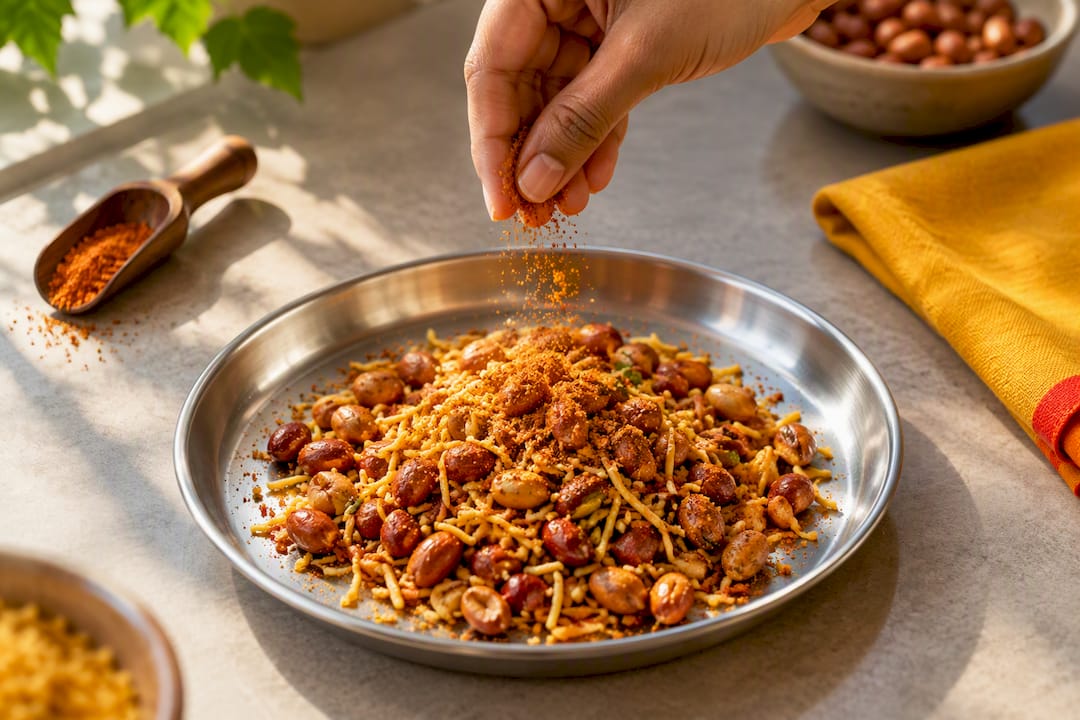
Regional fried snacks such as murukku, banana chips, and mathri reveal quality through oil and shape. Good murukku holds a hand-pressed spiral rather than a machine-perfect ring, and banana chips fried in real coconut oil carry a faint sweetness that seed-oil versions never manage.
Roasted makhana and roasted chana work best when they stay simple. A single dominant ingredient with light seasoning usually beats an over-flavored version trying to hide a stale base.
Traditional sweets and candies like laddus and jaggery-based candies depend on small-batch sweetening. Texture tells the story here, since hand-rolled laddus vary slightly in size and density from a factory-molded batch.
Pickles and murabba rely on sun-drying or slow fermentation, which affects both taste and shelf life. Check the jar label for a batch date and clear ingredient notes rather than a vague “artisan-style” claim with no detail behind it.
Wikipedia’s list of snack foods from the Indian subcontinent is a useful reference if you want to see how many regional variations exist within each category before you shop.
How Do You Verify a Snack Is Actually Handmade?
Labels lie sometimes. A quick checklist keeps you from paying artisan prices for a mass-produced bag.
Read the full ingredient list first. Real jaggery, ghee, and named spices beat vague terms like “natural flavoring” or “spice blend.”
Check for a batch or made-on date. Small producers track this closely because their shelf life is shorter without preservatives.
Look for production language that’s specific, like “small-batch roasted in-house” rather than generic “artisan quality” text with nothing to back it up.
Ask the seller directly how the snack is preserved and how long it stays fresh. A real small-batch maker answers quickly and specifically; a reseller often can’t.
Vague wording is the biggest red flag. “Traditional recipe” with no origin story, no ingredient detail, and no batch information is a guess dressed up as a claim. A 2019 npj Science of Food analysis found shoppers are often willing to pay a premium for artisanal food because they perceive it as healthier and better tasting, and that premium is easier to justify when the seller can actually explain their process.
Expect to pay somewhat more than a supermarket brand charges. A modest premium for real ghee, hand-processing, and small production runs is reasonable. A huge markup with zero specifics on the label is not.
Where Can You Buy Authentic Artisanal Indian Snacks?
Your options break down into four rough categories, each with its own tradeoffs.
Direct-to-consumer brands offer the clearest picture of sourcing and often make snacks to order, which means fresher product landing on your doorstep.
Curated snack boxes and subscriptions are great for discovery, but sourcing transparency varies a lot from one box to the next, so check where the actual snacks come from before assuming everything inside is handmade.
Marketplaces like Etsy host plenty of small sellers, but reviews and seller history matter more here than anywhere else since quality control isn’t centralized.
Specialty stores and farmers markets let you sample before buying, which is the most direct way to judge freshness and flavor on the spot.
Preservative-free snacks ship best in smaller quantities with quicker turnaround, so don’t be surprised if a D2C brand’s shipping window feels tighter than a big-box retailer’s. That’s the freshness tradeoff working in your favor, not against you.
What Should You Look for in an Authentic Snack Brand?
Provenance is easy to claim and hard to fake once you look closely. A brand worth trusting shows its work: handcrafted production, small-batch runs, and, ideally, festival-exclusive items that prove the recipes rotate with the calendar instead of running on autopilot year-round.
Desimunchiess builds its catalog around that same idea, offering biscuits, roasted chana, pickles, candies, and sweets made in small runs rather than a single industrial line. The lineup mirrors what this guide’s checklist asks for: real ingredients, traceable batches, and recipes rooted in home cooking rather than a factory formula.
If you want to dig deeper into how traditional recipes hold up against modern shortcuts, Desimunchiess’s comparison of namkeen and other savory snacks and its guide to authentic snack sourcing both walk through the same authenticity markers covered here, in more detail on specific categories.
How Should You Store Artisanal Indian Snacks?
Freshness is the whole point of buying artisanal, so storage matters more here than it does with a shelf-stable factory bag. Preservative-free snacks lose their edge faster once the seal is broken, and heat, humidity, and light are the three things working against you.
Keep fried snacks like murukku, mathri, and banana chips in an airtight container away from direct sunlight. Any moisture that sneaks in turns crisp snacks soft within days. Roasted chana and makhana should go in the same kind of sealed jar, ideally glass or a heavy plastic container rather than the thin bag they arrived in, since a loosely folded bag lets air in every time you reach for a handful.
Sweets made with jaggery or ghee behave differently. Some laddus and jaggery candies keep well at room temperature for a short window, but refrigeration extends their life if you’re not finishing the batch quickly. Pickles and murabba are the exception. Their sun-dried or fermented base actually holds up well outside the fridge, though you should always use a dry spoon to avoid introducing moisture that speeds up spoilage.
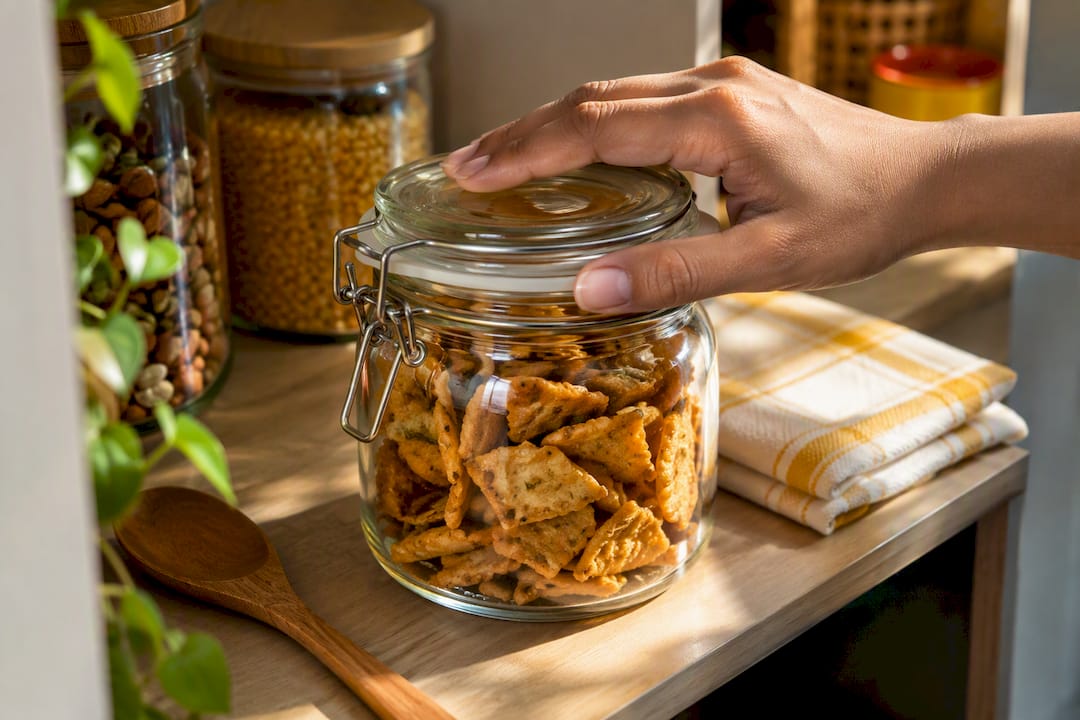
Buy in quantities you’ll actually finish soon. Artisanal snacks are made to be eaten fresh, not stockpiled for months, and that’s part of what separates them from anything sitting on a supermarket shelf with a two-year expiration date.
Why Artisanal Snacks Are Worth Choosing Today
There’s something real in a snack made by hand, in small runs, using recipes passed down instead of engineered in a lab. That’s worth paying for, especially as a gift or a special treat rather than an everyday grab-and-go item.
Buying artisanal also means supporting smaller producers and traditional food knowledge that mass production tends to flatten out. No grand claims needed here. It’s simply a better bite, made by people who care about getting it right.
— Shivam
Ready to Try Handcrafted Indian Snacks Yourself?
Some brands exist to make homemade-style Indian snacks more accessible, producing small-batch biscuits, roasted chana, pickles, candies, and sweets prepared traditionally, using authentic ingredients without shortcuts big brands rely on.
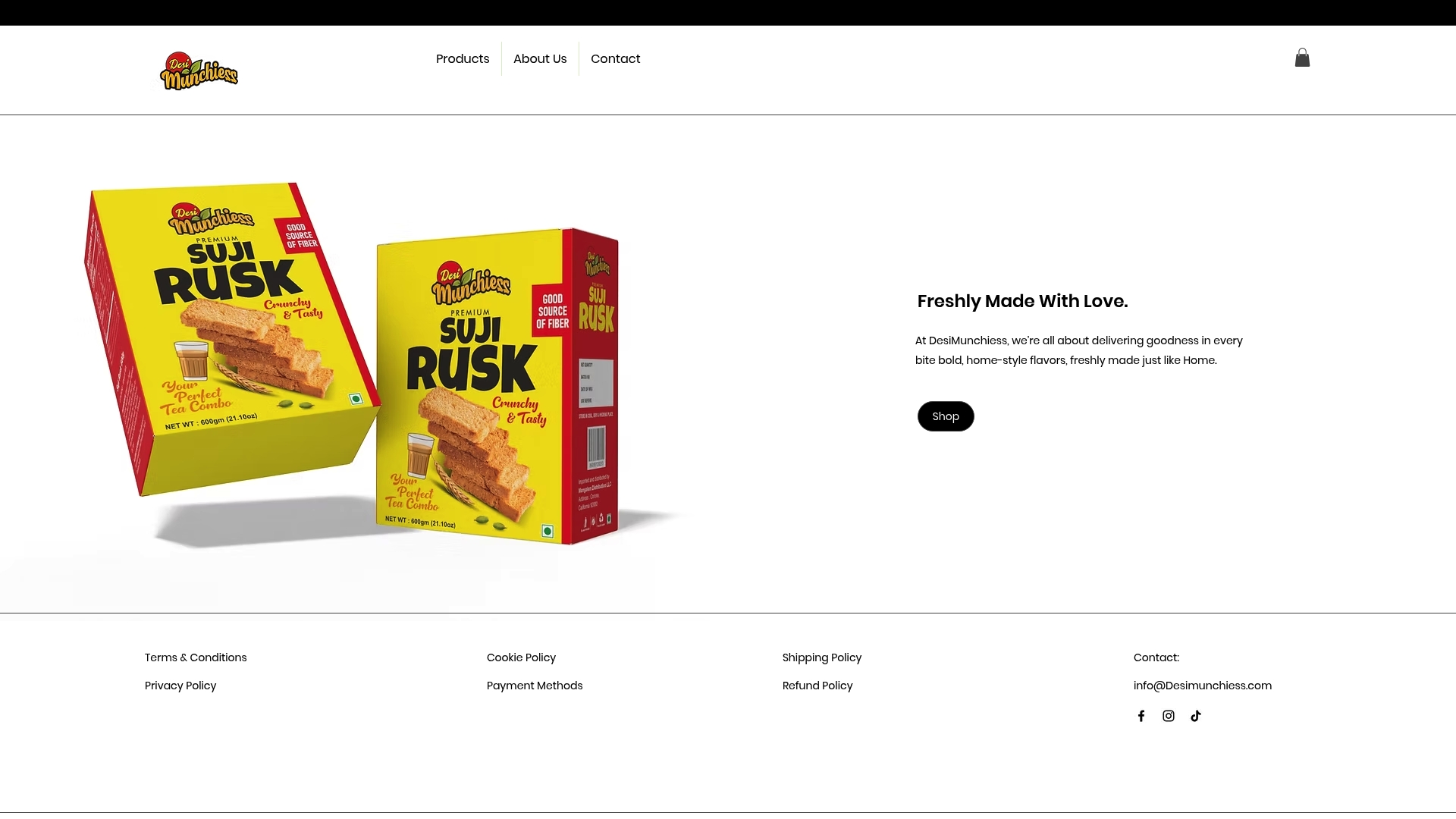
Browse the full snack, sweet, and pickle lineup to see what’s in stock this week, or start with something simple like our Atta Biscuits if you want a taste of home-style baking done right. Orders are made in small batches, so what you get is fresh, not warehouse-aged. Pick your favorites and place an order today.
Sources
FAQ
What Are the Top Indian Snacks to Try First?
Namkeen mixes like chevda, roasted chana, murukku, banana chips, and jaggery-based sweets are a solid starting lineup for anyone new to Indian snacking. Each one shows off a different artisanal technique, from hand-layered spices to slow sun-drying, so trying all five gives you a real feel for the range.
What Counts as a Gourmet Indian Snack?
Gourmet Indian snacks are typically small-batch items made with premium ingredients like desi ghee, jaggery, or specific regional spice blends rather than mass-produced substitutes. Think hand-rolled sweets, slow-roasted chana, or pickles made through traditional fermentation instead of shortcuts.
What Are Some Traditional Indian Snacks Worth Knowing?
Classic traditional snacks include murukku, mathri, banana chips, roasted chana, chevda, and jaggery candies, all rooted in regional recipes passed down through generations. Pickles and murabba also count as traditional staples, especially versions made through sun-drying rather than quick commercial brining.
Is There One Best Indian Snack Brand?
There’s no single official “best” brand, since quality depends on production method, ingredient sourcing, and freshness rather than name recognition alone. Some direct-to-consumer brands focus on handcrafted, small-batch production, which tends to deliver a fresher, more authentic result than mass-market alternatives.
How Much Should Artisanal Indian Snacks Cost?
Artisanal snacks usually carry a modest premium over supermarket brands because of real ingredients, hand-processing, and smaller production runs. Current pricing for specific items at Desimunchiess is available on the product pages, since costs vary by snack type and batch size.
Recommended
Comments