
Best Kid-Friendly Traditional Snacks to Buy Online in the US

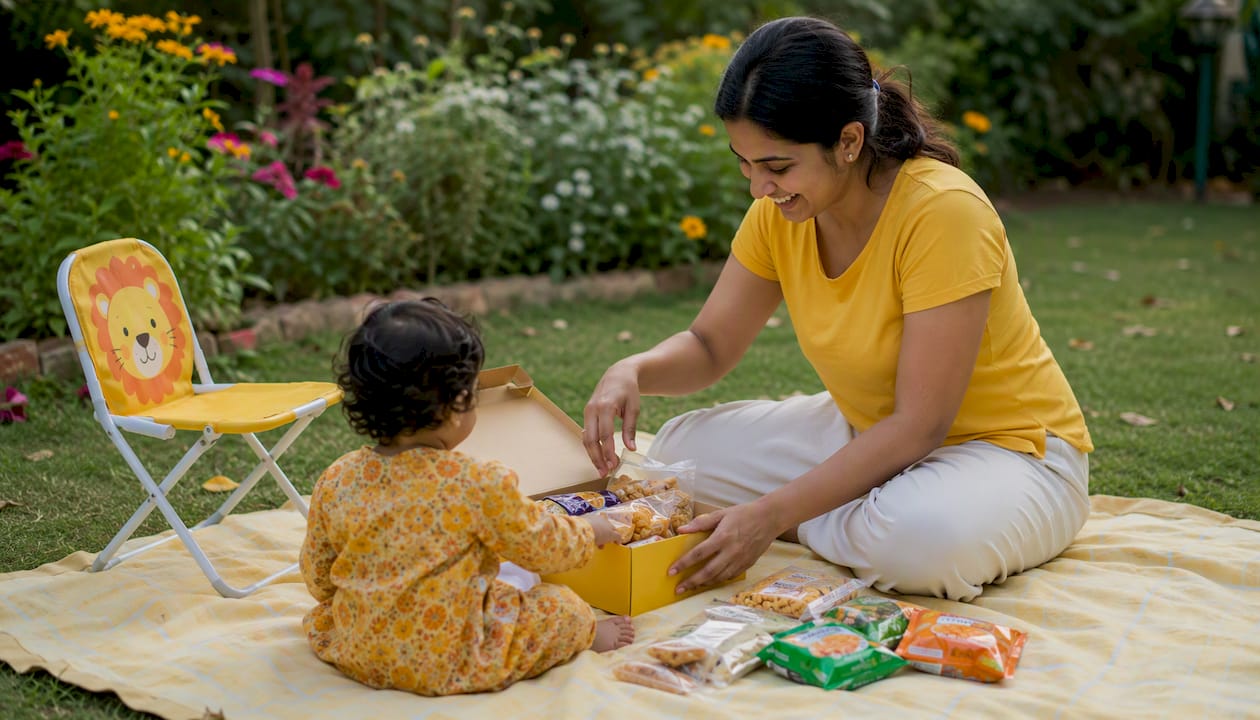
The best kid-friendly traditional Indian snacks to buy online in the United States right now are suji rusk, atta biscuits, ragi laddoo, roasted chana, and Tikoni Mathi (mild savory cookies). Desimunchiess carries all five in small-batch, freshly made formats and ships directly to U.S. addresses. Pick the texture that matches your child’s age, add to cart, and plan for standard delivery.
Here is a quick age-and-texture guide to help you choose fast:
Suji rusk — light, crispy, easy to hold; great for toddlers 18 months and up
Atta biscuits — mild, slightly sweet, bite-size; ideal for preschoolers and lunchboxes
Ragi laddoo — soft, chewy, nutrient-dense; works well for toddlers through school-age kids
Roasted chana — crunchy, protein-rich; best for school-age kids (6+) who can chew confidently
Tikoni Mathi — mild savory cookie, lunchbox-ready; a crowd-pleaser at gatherings for ages 4 and up
Many parents say they would pay more for healthier snack options for their children, which tells you this shift toward traditional, ingredient-transparent snacks is not a niche preference. It is where most thoughtful parents are already heading.
Table of Contents
Which traditional snacks are right for your child’s age and texture stage?
What should you check before buying traditional snacks online for kids?
How do traditional ingredients actually benefit your child’s nutrition?
How do you introduce traditional Indian flavors to a picky eater?
How should you store and pack these snacks for school lunches?
Why traditional snacks deserve a spot in your child’s routine
Freshly made traditional snacks, shipped to your door by Desimunchiess
Which traditional snacks are right for your child’s age and texture stage?
Matching a snack to your child’s chewing ability matters more than most parents realize. A ragi laddoo that is perfect for a three-year-old can be a choking concern if it is too firm or contains whole nuts. Here is how to think through each age band.
Toddlers (9–36 months) Suji rusk softens quickly with saliva, making it one of the safest crispy formats for this group. Break pieces small. Ragi laddoo works here too, provided it is soft and nut-free or made with finely ground nuts. Avoid whole roasted chana entirely at this stage.

Preschoolers (3–5 years) Atta biscuits and soft ragi laddoo are both solid picks. Tikoni Mathi, at a mild spice level, introduces savory flavors without overwhelming a young palate. Kids’ food product developers consistently advise prioritizing familiar textures because children frequently reject snacks that are nutritionally good but texturally unfamiliar. Crispy and chewy formats tend to win.
School-age kids (6+) Roasted chana becomes a genuinely good option here. It is crunchy, high in protein, and easy to portion into a small container. Tikoni Mathi travels well in a lunchbox without crumbling.
Keep portions to roughly one small handful or one to two pieces per snack session.
For toddlers, always break rusks and biscuits into pieces no larger than a thumbnail.
Whole seeds and hard nuts are a choking risk under age four. Choose finely ground versions.
Pro Tip: If your toddler resists a ragi laddoo on its own, crumble a small piece into warm oatmeal or yogurt. The familiar base makes the new flavor much easier to accept.
What should you check before buying traditional snacks online for kids?
Use this checklist directly on any product page before you add to cart.
Check the first three ingredients. Whole grains, millets, or nuts should lead the list. A short ingredients list starting with whole grains, nuts, and natural sweeteners is a strong quality signal — if refined flour (maida) or sugar appears in the top three, keep looking.
Look for jaggery or dates instead of refined sugar. Many consumers prefer natural sweeteners like jaggery or dates over refined sugar in snacks, and for good reason: they carry trace minerals that refined sugar strips out.
Confirm no hydrogenated oils. Trans fats have no place in a child’s snack.
Find a clear allergen statement. Tree nuts, sesame, and milk are common in traditional recipes. The label should name them explicitly.
Check for a batch or “best by” date. Small-batch, handmade snacks have shorter shelf lives than mass-produced ones. A printed date tells you the product is fresh and the seller is transparent.
Red flags to skip past:
Bright artificial colors with no natural color source listed (common dyes like Tartrazine and Sunset Yellow have been linked to behavioral concerns in some studies)
Long ingredient lists packed with INS numbers
“No added sugar” claims without a clear alternative sweetener named
Missing country-of-origin or nutrition facts panel
Budget and shipping cue: Kid-friendly traditional Indian snacks from small-batch U.S.-shipping sellers typically run $8–$18 per pack. Standard shipping from a direct-to-consumer brand like Desimunchiess generally takes 3–7 business days. If you are ordering for a school event, place your order at least ten days out to be safe.
How do traditional ingredients actually benefit your child’s nutrition?
These snacks can deliver real, measurable nutrition when portioned correctly. That is the practical claim worth holding onto.
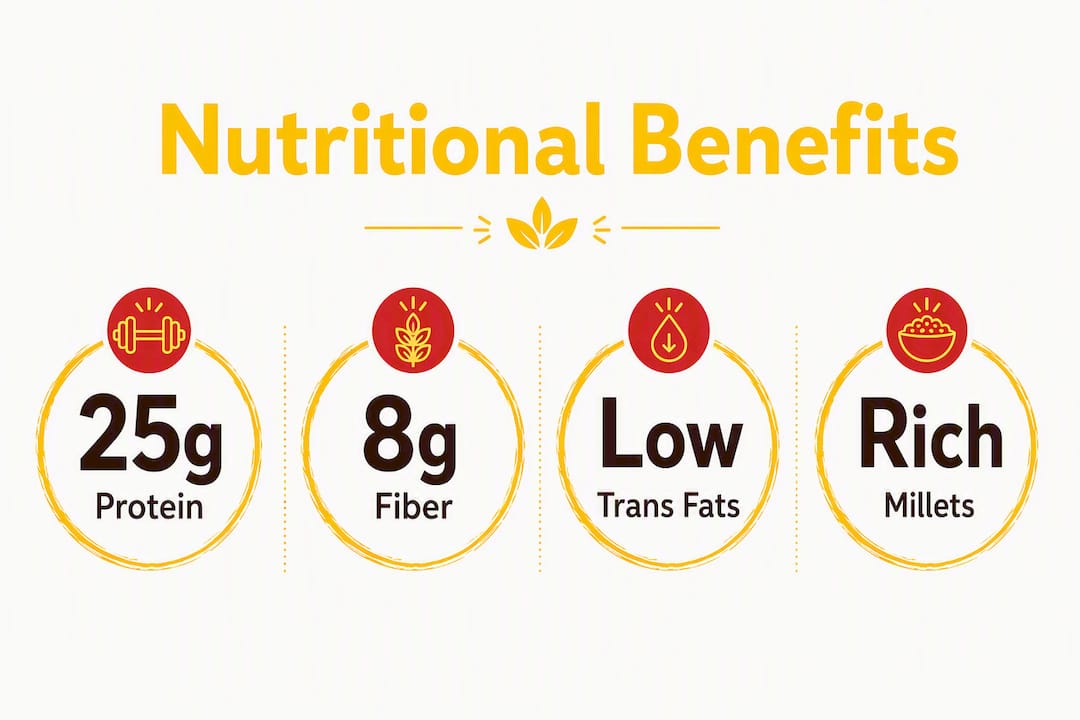
A research-tested nutrient-dense laddoo made from finger millet (ragi), flaxseed, nuts, and skimmed milk powder supplied about 22% of a child’s daily protein, 32% of calcium, and 23–29% of iron per 100 g in the tested product. Those are meaningful numbers for a snack that also tastes good.
Here is what each key ingredient brings:
Ragi (finger millet) — one of the best plant sources of calcium and iron available in a snack format
Flaxseed — omega-3 fatty acids and fiber in a small, easy-to-hide form
Nuts — healthy fats and protein; use finely ground for younger children
Jaggery or dates — natural sweetness plus trace iron and potassium
The same optimized laddoo formulation was also shown to be low in trans fats and negligible in cholesterol, making it a practical alternative to mass-market sweets. Traditional recipes, when made with quality ingredients, can genuinely outperform the processed snack aisle on the nutrients that matter most for growing kids.
Pro Tip: Prioritize a snack your child will actually eat over one with a perfect nutrient profile. A ragi laddoo eaten happily three times a week beats a “superfood” bar left untouched in the lunchbox.
How do you introduce traditional Indian flavors to a picky eater?
Start alongside something familiar. Pair a small piece of Tikoni Mathi next to a food your child already loves, like a slice of fruit or a spoonful of yogurt. The new flavor gets a fair chance without competing for attention.
A few tactics that tend to work well:
Crumble a ragi laddoo into warm porridge or mix it into a smoothie bowl.
Offer roasted chana as a crunchy topping on a familiar soup or salad instead of serving it as a standalone snack.
Let kids dip atta biscuits into mild yogurt or a thin dal. Dipping gives them a sense of control.
Keep first portions tiny. A thumbnail-size piece is enough for a first introduction.
Stop if a child shows strong resistance after three or four tries. Come back to that flavor in a few weeks.
Sensory-friendly approaches to new textures and flavors can also help children with heightened texture sensitivity warm up to crispy or chewy formats gradually. For more ideas tailored to selective eaters, the Desimunchiess guide on making snacking fun for picky eaters walks through the process step by step.
How should you store and pack these snacks for school lunches?
Traditional snacks stay fresh longer than you might expect when stored correctly.
Storage basics:
Keep opened packs in an airtight tin or resealable container away from heat and moisture.
Rusks and biscuits absorb humidity fast. A silica packet in the tin helps.
Ragi laddoo keeps well at room temperature for 2–3 weeks in a sealed container.
Always check the printed batch date when your order arrives.
Packing for school:
Use a small, hard-sided container for rusks and Tikoni Mathi to prevent crumbling.
Pre-portion into single servings the night before. It saves morning time and controls intake.
Label the container with the snack name and any allergen notes if your child’s school requires it.
Millet-based snacks in resealable, easy-open packs are among the formats schools and parents find most practical for on-the-go use.
Ordering timeline: For a school party or class event, order at least 10 days ahead. Standard U.S. shipping for small-batch snacks runs 3–7 business days, and you want a day or two to check the batch date and portion everything out before the event.
How we chose these recommendations
Selection came down to four things: age-appropriateness, ingredient transparency, small-batch freshness, and real parent-tested appeal. Every snack on this list uses whole-grain or millet bases, natural sweeteners, and no hydrogenated oils. We cross-referenced nutrient research on ragi-based laddoos, label-reading guidance for parents, and product-format trends favoring baked and millet-based kids’ snacks.
Desimunchiess stood out for its handcrafted production, clear ingredient labeling, and direct-to-consumer U.S. shipping. The brand’s Tikoni Mathi, suji rusk, atta biscuits, ragi laddoo, and roasted chana all meet the checklist above.
Selection criteria at a glance:
Texture matched to age group (crispy, chewy, or soft)
Natural sweetener (jaggery or dates) over refined sugar
Clear allergen statement and no trans fats
Resealable or portion-friendly packaging
Reliable U.S. shipping with printed freshness dates
Key Takeaways
The most reliable kid-friendly traditional Indian snacks combine whole-grain or millet bases, natural sweeteners, and clear allergen labeling — and Desimunchiess delivers all three in small-batch, freshly made formats shipped to U.S. addresses.
Point | Details |
Match snack to age and texture | Suji rusk and atta biscuits suit toddlers; roasted chana is best for kids 6 and up. |
Check the first three ingredients | Whole grains, millets, or nuts should lead; skip any list where sugar or maida comes first. |
Ragi laddoo delivers real nutrition | A tested formulation supplies about 22% of protein, 32% of calcium, and 23–29% of iron per 100 g for a child’s daily needs. |
Order 10 days before school events | Standard U.S. shipping runs 3–7 business days; build in time to check batch dates and portion snacks. |
Desimunchiess for small-batch freshness | Tikoni Mathi, suji rusk, atta biscuits, ragi laddoo, and roasted chana are all available for U.S. delivery. |
Why traditional snacks deserve a spot in your child’s routine
Most parents I talk with are not looking for perfection. They want something their kid will actually eat, that does not read like a chemistry experiment on the label, and that connects to something real. Traditional Indian snacks do all three. A suji rusk your child reaches for happily, a ragi laddoo that disappears before you finish packing the lunchbox — those small wins add up. The shortlist here is not about nostalgia for its own sake. It is about snacks that hold up on every practical measure: texture, nutrition, ingredient quality, and taste. Trust the list. Your child will tell you the rest.
Freshly made traditional snacks, shipped to your door by Desimunchiess
Desimunchiess makes it easy to skip the guesswork of hunting through generic grocery aisles for authentic, child-appropriate traditional Indian snacks. Every product is handcrafted in small batches using real ingredients — no hydrogenated oils, no artificial colors, no long lists of INS numbers.
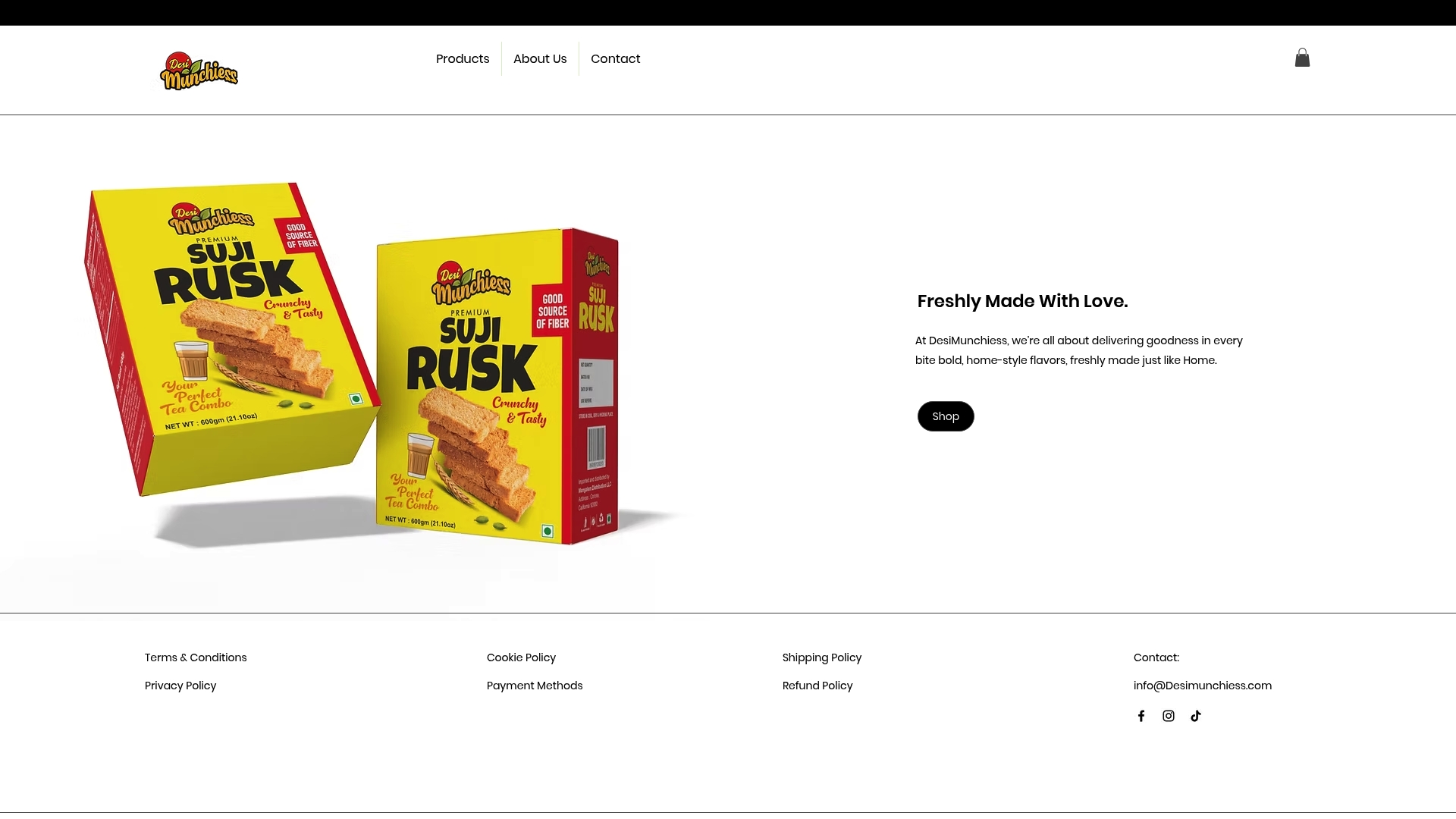
Here is what to add to your cart for the kids:
Tikoni Mathi 350gm — mild savory cookies, lunchbox-ready, great for ages 4 and up
Packs typically arrive within 3–7 business days. Pricing runs $8–$18 per pack depending on the item, making it easy to stock up without overspending. Visit the Desimunchiess online shop to browse the full range, check current batch dates, and place your order today.
Recommended
Comments