
Build a Healthy Snack Pantry: Your 2026 Staples Guide

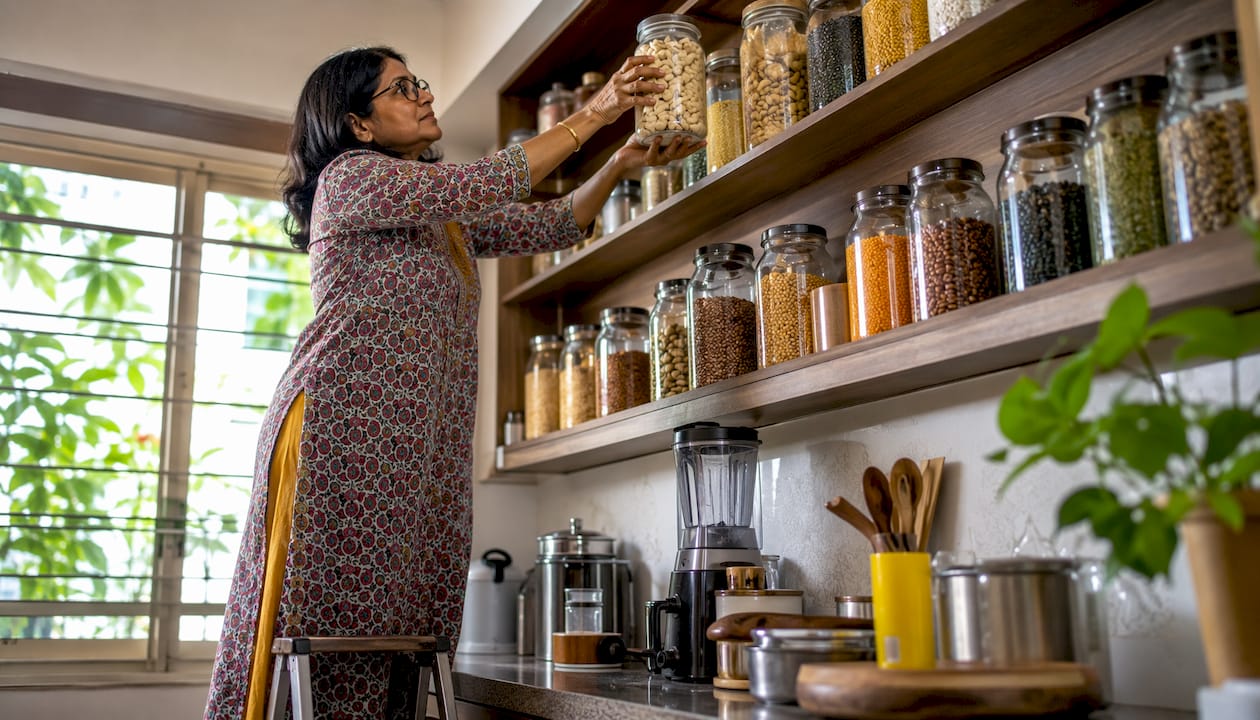
What should you stock to build healthy snack pantry staples?
The short answer: focus on foods rich in protein, fiber, and healthy fats. These three nutrients work together to keep your blood sugar steady and your hunger in check between meals. Registered dietitians consistently recommend building your snack pantry around whole foods rather than ultra-processed packages.
Here are the core staples to keep on hand:
Nuts and seeds: almonds, walnuts, pumpkin seeds, sunflower seeds
Nut butters: natural peanut butter, almond butter, sunflower seed butter
Roasted legumes: roasted chickpeas, edamame, lentil crisps
Whole-grain crackers and oats: plain rolled oats, whole-grain crackers, air-popped popcorn
Dried fruit: unsweetened raisins, dried mango, dried berries, dried figs
Canned protein: tuna pouches, salmon pouches, canned beans
Healthy fats: extra virgin olive oil, dark chocolate (70%+ cacao)
This list covers your nutritious pantry stocking basics. Every item is shelf-stable, affordable, and genuinely useful for quick snacking or building a more filling mini-meal.
Which snack categories give you the most nutritional value?
Understanding why each category earns a spot on your snack pantry checklist makes it easier to shop with confidence. Here is a breakdown of the key groups and what they actually deliver.
Nuts and seeds: shelf-stable and nutrient-dense, providing unsaturated fats, magnesium, zinc, and plant protein. A small handful goes a long way toward satisfying hunger.
Legumes (canned or roasted): beans, lentils, and chickpeas deliver plant-based protein, iron, and prebiotic fiber that feeds healthy gut bacteria. Roasted chickpeas, in particular, satisfy crunchy cravings without the additives of chips.
Whole grains: oats, whole-grain crackers, and air-popped popcorn are high-fiber options that slow digestion and support steady energy. Popcorn is a whole grain that most people overlook as a genuinely healthy pantry snack.
Dried fruits: unsweetened dried mango, apricots, and berries provide natural glucose for quick brain fuel, plus antioxidants and fiber. Always choose no-sugar-added varieties.
Canned protein: tuna and salmon pouches are rich in omega-3 fatty acids and require zero cooking. Pair them with whole-grain crackers for a complete snack.
Healthy fats: extra virgin olive oil for drizzling over popcorn or crackers, and dark chocolate for a mineral-rich sweet option that actually satisfies.
Each category fills a different nutritional gap. Rotate through all of them across the week to keep your pantry variety strong and your meals interesting.
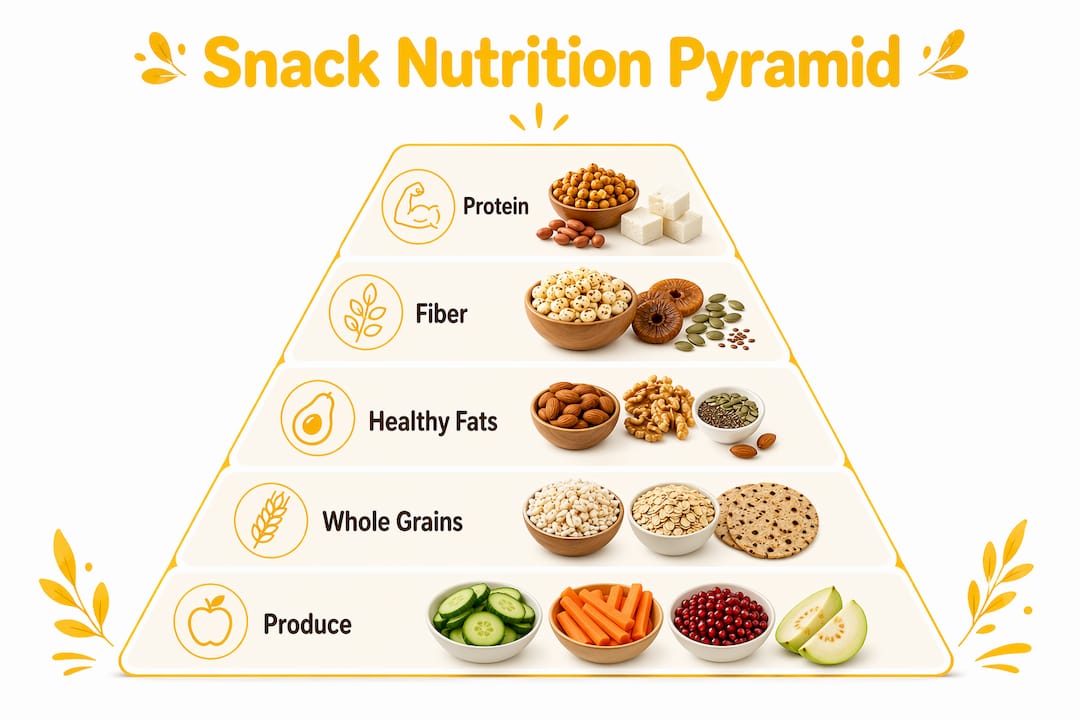
How do you balance snack nutrition for lasting energy?
The protein, fiber, and healthy fat trio is the gold standard for any snack worth eating. This combination slows digestion, prevents blood sugar crashes, and keeps you full far longer than a carb-only snack ever could. Think of it as building a small, balanced plate every time you reach into the pantry.
Here are the core principles dietitians recommend:
Pair a protein with produce or fiber: peanut butter with apple slices, hummus with whole-grain crackers, or tuna with cucumber.
Watch portion sizes: nuts and nut butters are calorie-dense. A single serving of almonds is about one small handful, not a fistful.
Choose quality ingredients: plain oats over sweetened instant packets, unsweetened dried fruit over candy-coated versions, and lightly salted or unsalted nuts over heavily seasoned varieties.
Limit added sugars: snacks provide a significant portion of daily calories for the average person, so every choice adds up fast.
Prioritize whole foods: fruits, vegetables, yogurt, whole grains, and nuts beat ultra-processed snack bars every time, even ones with health claims on the label.
Pro Tip: Build every pantry snack around the “P+P” formula: protein plus produce. Dietitian Bridget Reiter, MS, RDN, calls this the simplest way to guarantee balance without overthinking it.
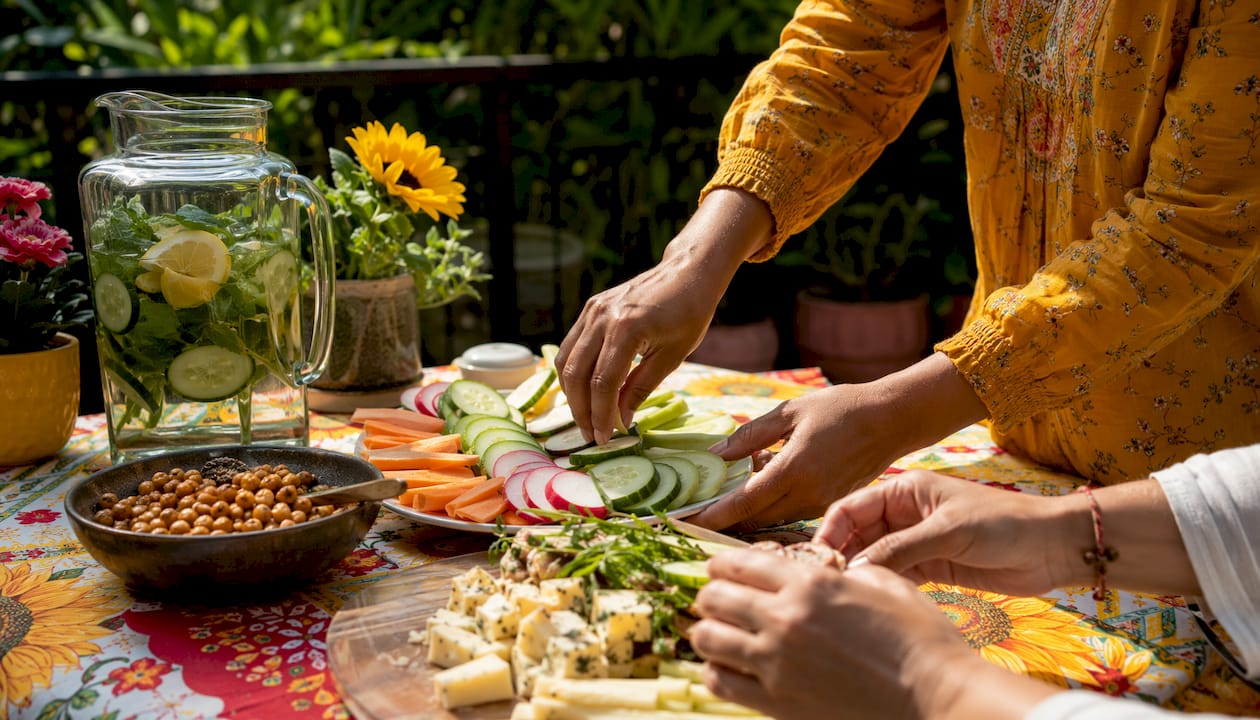
How to stock and organize your healthy snack pantry
A well-stocked pantry only stays healthy if you manage it actively. Buying the right foods is step one. Keeping them fresh, visible, and easy to grab is what actually changes your snacking habits day to day.
Rotate stock regularly: place newer items behind older ones so nothing expires unnoticed. Nuts and seeds go rancid faster than most people expect, especially once opened.
Read nutrition labels carefully: look for sodium content on canned beans and vegetables. Choose low-sodium or no-salt-added options and rinse canned goods before eating to reduce sodium further.
Pre-portion snacks: divide nuts, seeds, and dried fruit into small containers or snack bags when you first open the package. This removes the guesswork and prevents mindless overeating.
Store nuts and seeds properly: keep walnuts and ground flaxseeds in the freezer to extend their shelf life significantly. Airtight containers protect crackers and oats from moisture and pests.
Keep budget in mind: beans, oats, and seasonal dried fruits are among the most affordable healthy pantry staples available. Buying in bulk reduces cost without sacrificing nutrition.
Label everything: once you transfer snacks to jars or containers, write the date opened. This simple habit prevents you from eating stale food or wasting good ingredients.
Pro Tip: Store your most nutritious snacks at eye level in the pantry. What you see first is what you reach for. Move chips or sweets to a higher shelf or a less accessible spot.
If you want to explore protein-forward pantry options, Bell’s Protein Pantry offers high-protein baking mixes that pair well with the whole-food staples on this list.
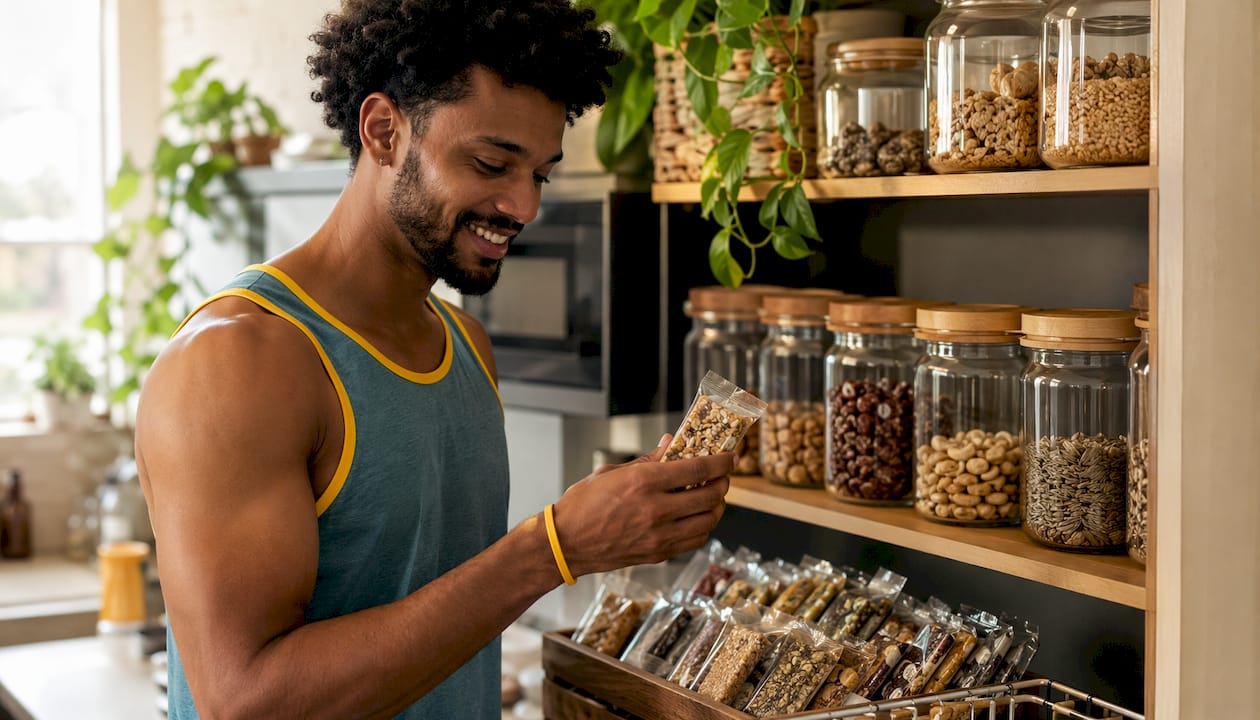
What are the most common healthy snacking mistakes?
Even with the best intentions, a few habits quietly undermine a healthy snack pantry. Knowing what to watch for makes it much easier to stay on track.
Trusting health claims on packaging: words like “natural,” “organic,” or “low-fat” do not automatically mean nutritious. Many packaged snacks carry these labels while hiding excess sugar, sodium, or refined oils. Always flip the package and read the actual nutrition facts.
Overeating healthy foods: even nutritious whole foods can contribute to weight gain if portions are too large or snacking is too frequent. A handful of almonds is a snack; half a bag is a meal.
Relying on one or two staples: eating the same snack every day creates nutrient gaps and flavor fatigue. Rotate through different nuts, legumes, and grains each week.
Ignoring sodium in canned goods: canned beans and vegetables are convenient, but standard varieties can be high in sodium. Rinsing them removes a meaningful amount, and choosing no-salt-added versions gives you full control.
Skipping snacks entirely: snacking is a tool for fueling your body and preventing the kind of deep hunger that leads to overeating at meals. Skipping snacks is not automatically healthier.
Choosing ultra-processed “health” bars over whole foods: many protein bars and granola bars contain as much added sugar as a candy bar. Plain oats with nut butter and dried fruit beats most packaged alternatives on every nutritional measure.
Homemade snack ideas inspired by bold, cultural flavors
Making snacks at home gives you complete control over ingredients, freshness, and flavor. Homemade snacks reduce exposure to additives and let you personalize every bite to your taste and nutritional goals. This is exactly the spirit behind what we do at Desimunchiess: bold, home-style flavors made with real ingredients.
Here are simple DIY snack ideas built from pantry staples:
Spiced roasted chickpeas: toss canned chickpeas with olive oil, cumin, chili powder, and a pinch of salt. Roast at 400°F until crispy. A classic Indian-inspired snack that delivers plant protein and prebiotic fiber.
Trail mix with a desi twist: combine roasted peanuts, dried mango, pumpkin seeds, and a small handful of dark chocolate chips. No cooking required.
Oat energy bites: mix rolled oats, natural peanut butter, honey, and dried berries. Roll into balls and refrigerate. Great for a quick grab-and-go snack.
Nut butter on whole-grain crackers: spread almond or peanut butter on whole-grain crackers and top with a few raisins or a drizzle of honey. Simple, filling, and genuinely satisfying.
Savory popcorn: air-pop plain popcorn and drizzle with olive oil. Season with turmeric, black pepper, and a pinch of chaat masala for a bold, traditional flavor twist.
Lentil and seed mix: dry-roast red lentils with sesame seeds and a touch of cumin. This crunchy mix is high in protein and fiber, and it stores well in an airtight jar for weeks.
For more inspiration on high-protein traditional snacks that use pantry staples like beans, nuts, and seeds, we have a full guide worth bookmarking.
How do you choose snacks that keep you full and steady your blood sugar?
The key is combining macronutrients, not eating any single food in isolation. A plain rice cake spikes blood sugar quickly and leaves you hungry again within the hour. Add a tablespoon of almond butter, and the fat and protein slow digestion enough to keep energy levels stable for two to three hours.
Dietitians recommend looking for snacks that hit at least two of the three: protein, fiber, or healthy fat. Roasted chickpeas cover protein and fiber. Nuts cover protein and fat. Pair dried fruit with a small handful of walnuts and you cover all three. The goal is not perfection at every snack, but a consistent pattern of choosing whole food-based options over refined ones.
Glycemic load matters too. Foods high in refined carbohydrates digest fast and cause sharp blood sugar swings. Whole grains, legumes, and nuts all have a lower glycemic impact, which translates to more stable energy and fewer cravings throughout the day.
Tips for mindful snacking and building real pantry variety
Mindful snacking is not about restriction. It is about choosing snacks with intention rather than out of boredom or habit. A few practical shifts make a real difference.
Eat with purpose. Before reaching for a snack, ask whether you are genuinely hungry or just restless. Hunger-driven snacking supports your energy needs. Boredom-driven snacking rarely does.
Plan your pantry variety weekly. Rotate which nuts, legumes, and grains you stock each shopping trip. This week, almonds and roasted chickpeas. Next week, walnuts and dried edamame. Variety prevents both nutrient gaps and the kind of monotony that sends you reaching for chips instead.
Time your snacks. Most dietitians suggest one to two snacks per day, spaced between meals to prevent deep hunger. Snacking too frequently, even on healthy foods, can push daily calorie intake higher than intended.
Keep snacks visible and ready. Pre-portioned nuts in a small jar on the counter, whole-grain crackers next to the nut butter, a bowl of dried fruit on the kitchen table. Convenience drives behavior. When the healthy option is the easiest one to grab, you will grab it.
For more ideas on better-for-you snack alternatives built from budget-friendly pantry staples, we have pulled together a full resource that goes deeper on combinations and timing.
Discover bold, homemade snacks from Desimunchiess
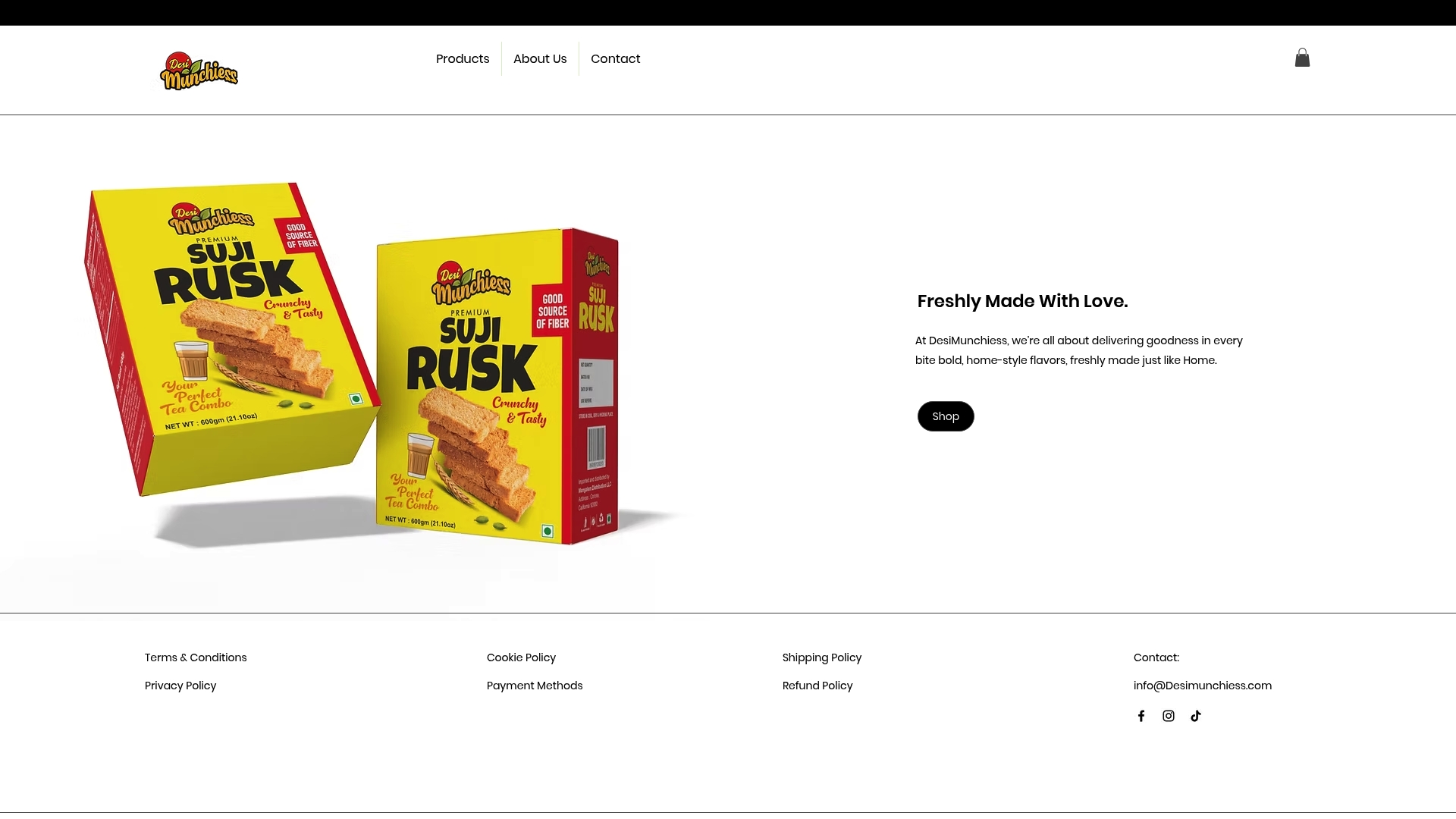
We love helping you snack better. At Desimunchiess, every product is made with real ingredients, bold flavors, and the kind of care that goes into home cooking. No fillers, no shortcuts. Just freshly made, authentic bites that feel like a little piece of home in every bag.
Ready to taste the difference? Shop our Indian snacks and find your new pantry favorite today.
Key Takeaways
A well-built snack pantry combines protein, fiber, and healthy fats to support balanced blood sugar, sustained energy, and genuine satiety between meals.
Point | Details |
Stock the nutrient trio | Every snack should include protein, fiber, or healthy fat, ideally two or all three. |
Rotate your staples | Vary nuts, legumes, grains, and dried fruits weekly to prevent nutrient gaps and flavor fatigue. |
Read labels carefully | Choose low-sodium or no-salt-added canned goods and unsweetened dried fruits to avoid hidden additives. |
Pre-portion for success | Divide nuts and dried fruit into single servings when you open the package to prevent overeating. |
Homemade beats packaged | DIY snacks using pantry staples reduce additives, cut costs, and let you control flavor and nutrition. |
Recommended
Comments