
How to Choose Low Sodium Savory Snacks You'll Love

When you want to choose low sodium savory snacks that actually support your heart, the rule is simple: look for sodium per serving at or below the FDA’s “low sodium” threshold and reach for whole-food options first. The American Heart Association sets a daily sodium target of 2,300 mg for most adults, with an ideal goal under 1,500 mg for those managing high blood pressure. Snacks can be a significant source of sodium, so choosing wisely can help manage intake.
Here are the best snack categories to keep on your radar:
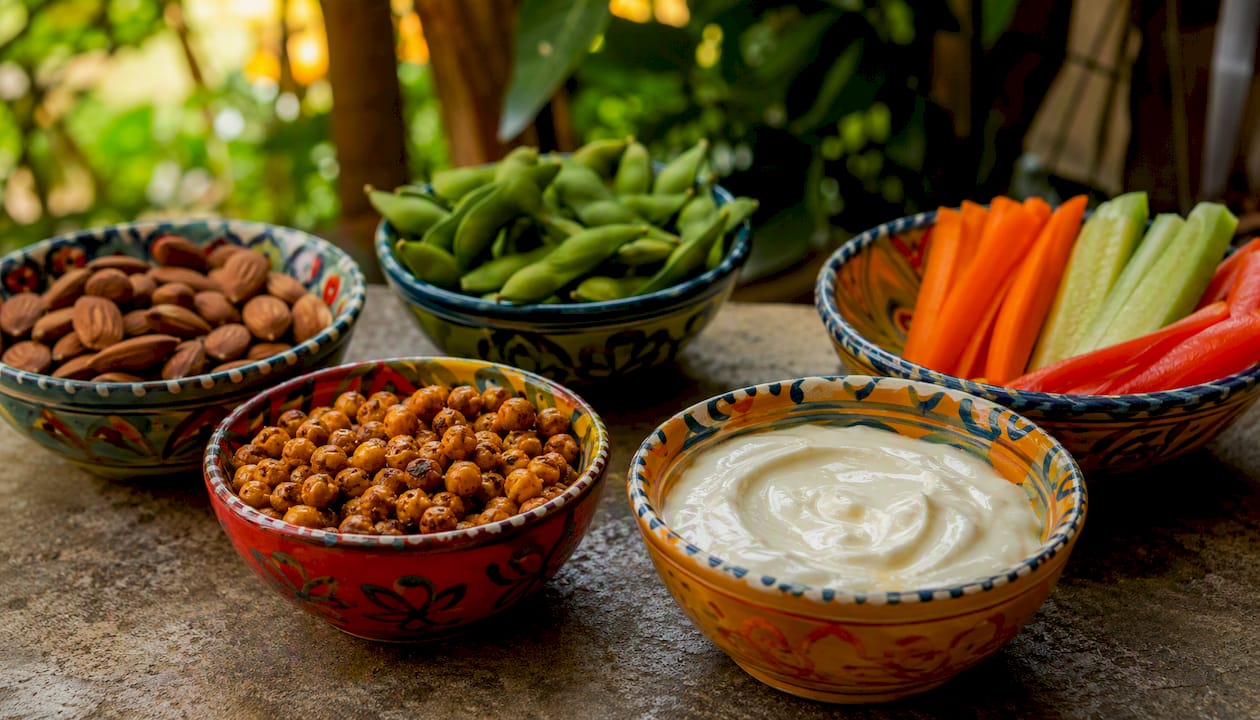
Unsalted nuts (almonds, walnuts, peanuts): naturally low in sodium, typically containing very low milligrams per ounce unsalted
Air-popped popcorn (plain): roughly 0–1 mg per cup with no added salt
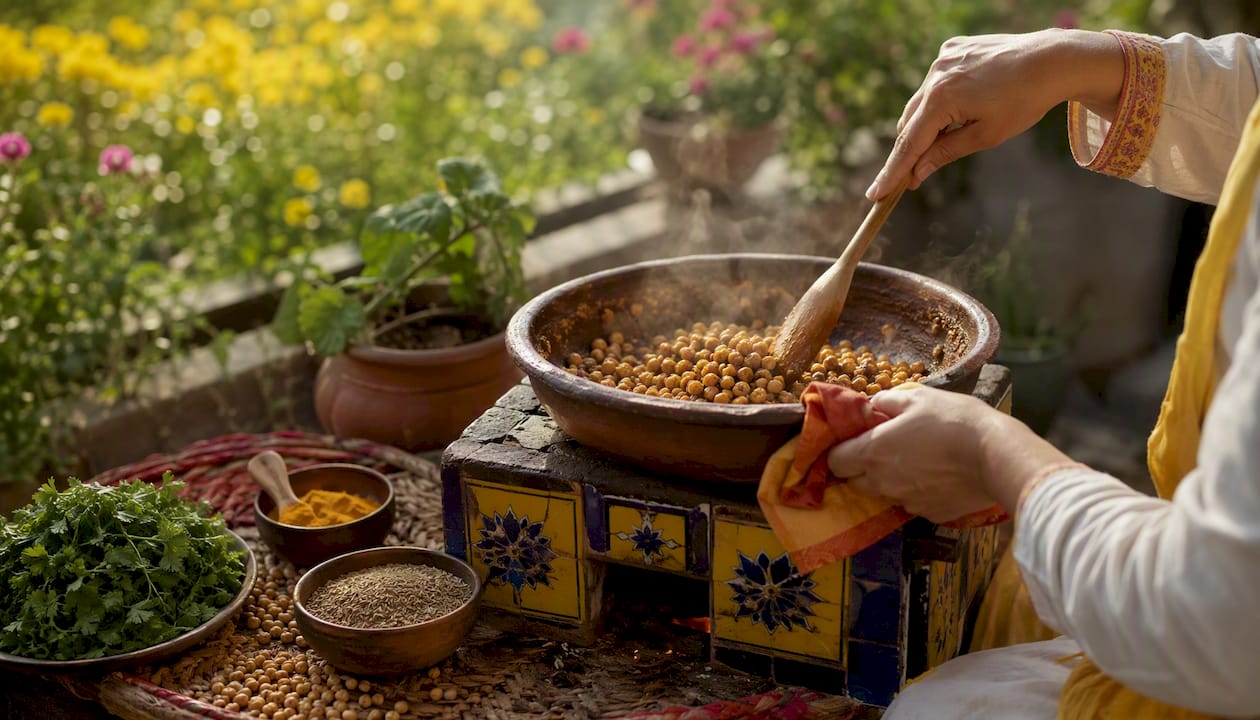
Roasted chickpeas (no salt added): generally low in sodium when prepared without salt
Edamame (frozen/steamed, unseasoned): naturally low in sodium
No-salt-added canned tuna or salmon: notably lower in sodium compared to regular canned versions
Plain or low-sodium Greek yogurt: about 69 mg sodium per 7-ounce serving
Desimunchiess freshly made snacks (roasted chana, lightly salted options): handcrafted in small batches using authentic recipes with controllable salt levels
Aim for snacks with sodium levels at or below the FDA’s 140 mg per serving threshold for low sodium to support heart health.
Key Takeaways
Choosing snacks with 140 mg of sodium or less per serving, from whole-food categories like unsalted nuts, roasted chickpeas, and plain Greek yogurt, is the most reliable way to keep snacking heart-healthy without sacrificing flavor.
Point | Details |
Use the 140 mg rule | Choose snacks with 140 mg sodium or less per serving as your quick filter at the store. |
Read the Nutrition Facts panel | Check serving size first, then sodium in mg; never rely on front-of-package claims alone. |
Top snack categories | Unsalted nuts, air-popped popcorn, roasted chickpeas, edamame, no-salt canned fish, and plain Greek yogurt all fit the threshold. |
Season without salt | Use smoked paprika, citrus, nutritional yeast, and garlic powder to build bold flavor with near-zero sodium. |
Desimunchiess roasted chana | Freshly made in small batches with authentic spice blends; check the label for your personal sodium target. |
Table of Contents
How to choose low sodium savory snacks at the store
Reading Nutrition Facts labels carefully is essential to accurately assess sodium content in snacks.
Check serving size first, as sodium per serving only reflects that amount; eating multiple servings increases intake. The FDA’s sodium guidance explains how to read and compare sodium per serving accurately.
Target 140 mg or less per serving. That is the FDA’s official threshold for a “low sodium” claim. For context, the American Heart Association recommends staying under 2,300 mg daily total, with 1,500 mg as the ideal for people with hypertension.
Look for the right label keywords. “No salt added” means no salt was added during processing (though the food may still contain naturally occurring sodium). “Low sodium” means 140 mg or less per serving. “Reduced sodium” only means 25% less than the original product, which could still be high.
Scan the ingredient panel. Salt, sodium chloride, monosodium glutamate (MSG), and sodium bicarbonate all count toward your total. Flavored coatings, seasoned mixes, and soy-based sauces are common hidden sources.
Use fiber and potassium as tiebreakers. When two snacks have similar sodium, pick the one higher in fiber or potassium. Potassium helps blunt sodium’s effect on blood pressure, and legumes, nuts, and vegetables deliver both.
Pro Tip: Don’t trust front-of-package claims like “light” or “natural” for sodium guidance. Many snacks that look healthy still carry significant sodium. The Nutrition Facts panel is the only reliable number.
[More than 70% of sodium in the average U.S. diet](https://www.health.harvard.edu/heart-health/salt-shakedown-how-and-why-you-should-eat-less-sodium) comes from packaged, prepared, and restaurant foods, not the salt shaker. That makes label reading your single most powerful tool.
Store-bought low sodium savory snack categories worth keeping stocked
Registered dietitians recommend focusing on nutrient-dense whole foods like legumes, nuts, and vegetables when building a low-sodium snack rotation. Here is how the main categories break down by use case.
Snack Category | Sodium per Serving (approx.) | Best For | Storage |
Unsalted almonds, walnuts, peanuts | 0–5 mg / 1 oz | Desk snacking, travel, kids’ lunchboxes | Shelf-stable |
Air-popped popcorn (plain) | 0–1 mg / 1 cup | Desk snacking, movie nights | Shelf-stable (kernels) |
Roasted chickpeas (no salt added) | Under 50 mg / ½ cup | Crunchy snacking, lunchboxes | Shelf-stable (packaged) |
Frozen edamame (unseasoned) | 5–10 mg / ½ cup | High-protein snack at home | Frozen |
No-salt-added canned tuna/salmon | Under 140 mg / 3 oz | High-protein, travel pouches | Shelf-stable |
Plain/low-sodium Greek yogurt | ~69 mg / 7 oz | Desk, post-workout | Refrigerated |
Unsalted pumpkin or sunflower seeds | 0–5 mg / 1 oz | Lunchboxes, trail mix | Shelf-stable |
A few practical notes:
For kids’ lunchboxes, unsalted nut butter packets and plain edamame cups travel well and stay under the 140 mg threshold easily. See more lunchbox savory snack ideas for kid-friendly options.
For travel, shelf-stable tuna pouches labeled “no salt added” and single-serve unsalted nut packs are the most reliable choices.
For pantry building, unsalted nuts, popcorn kernels, and dried chickpeas give you the most flexibility at the lowest sodium cost. A solid healthy snack pantry starts with these staples.
Simple homemade low sodium savory snacks you can batch and store
Making your own snacks puts you fully in control of sodium. These four recipes are fast, batch-friendly, and genuinely satisfying.
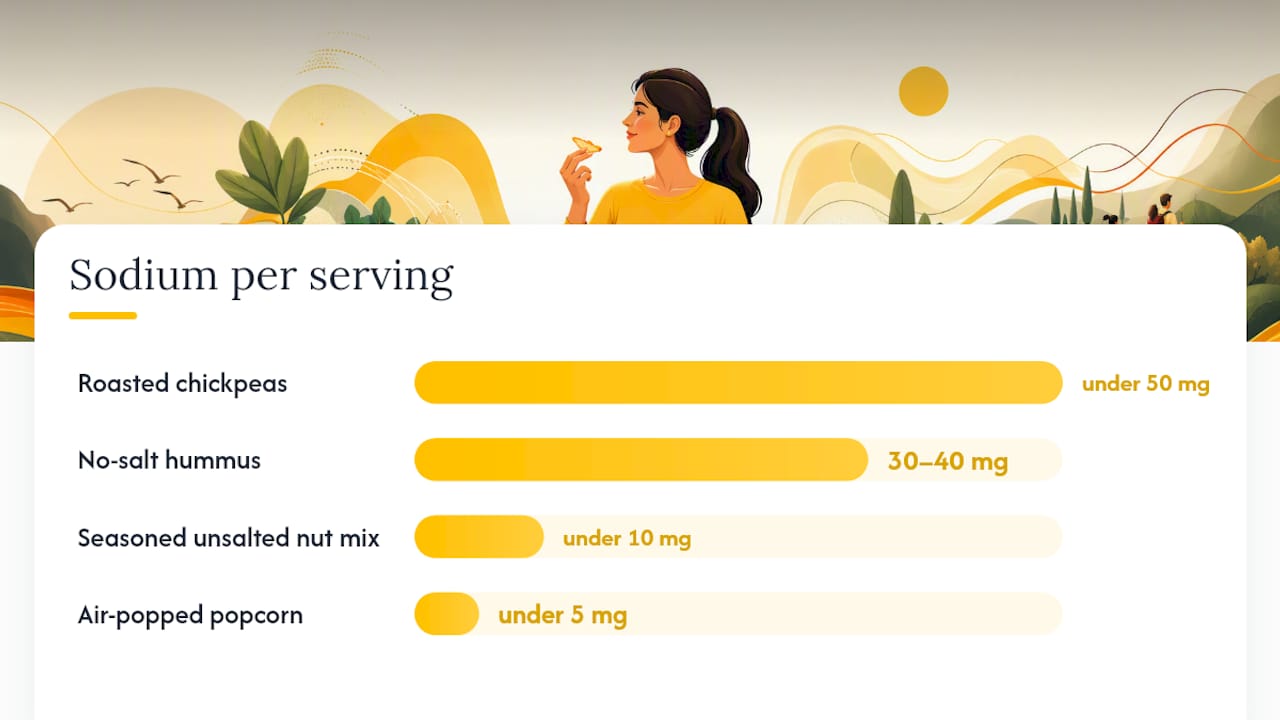
Roasted chickpeas. Drain and rinse one 15-oz can of chickpeas (rinsing removes a meaningful portion of surface sodium). Pat dry, toss with 1 tsp olive oil and your spice blend of choice (smoked paprika, cumin, garlic powder), and roast at 400°F for 25–30 minutes. Yield: about 4 half-cup servings. Sodium: under 50 mg per serving when rinsed well.
Seasoned unsalted nut mix. Combine 1 cup each of raw almonds, walnuts, and cashews. Toss with 1 tsp olive oil, 1 tsp smoked paprika, ½ tsp cumin, and a pinch of cayenne. Roast at 325°F for 12–15 minutes. Yield: about 6 servings of 1 oz each. Sodium: under 10 mg per serving.
Air-popped popcorn with spice blend. Pop ½ cup kernels (yields about 8 cups). Spritz lightly with olive oil spray, then dust with nutritional yeast, garlic powder, and smoked paprika. Sodium: under 5 mg per 2-cup serving. This is one of the most cost-effective homemade snack options you can make.
No-salt hummus. Blend one rinsed 15-oz can of chickpeas with 2 tbsp tahini, 2 tbsp lemon juice, 1 clove garlic, and 2–3 tbsp water. No added salt needed. Yield: about 8 two-tablespoon servings. Sodium: roughly 30–40 mg per serving after rinsing.
Homemade roasted chickpeas stay crisp for 3–4 days in an open container at room temperature. Nut mixes keep for up to two weeks in an airtight jar. Hummus lasts 4–5 days refrigerated.
Pro Tip: Always drain and rinse canned beans before using them in any recipe. This one step cuts surface sodium significantly and costs you nothing but 30 seconds.
Portable high-protein low sodium options for busy days
High-protein snacks keep you full longer, and many of the best ones are naturally low in sodium when you choose carefully.
Hard-boiled eggs: about 62 mg sodium per large egg, easy to prep in batches of 6–8 and refrigerate for the week.
Plain Greek yogurt (single-serve cups): roughly 69 mg per 7-oz serving; look for brands with no added flavoring or salt.
Unsalted peanut butter with apple slices: natural peanut butter with no added salt runs under 5 mg per tablespoon.
No-salt-added tuna pouches: convenient for travel, well under 140 mg per pouch when labeled “no salt added.”
Unsalted roasted edamame: shelf-stable, crunchy, and around 5–10 mg sodium per half-cup.
Salt-free cottage cheese: check labels carefully since most cottage cheese runs 300–400 mg per serving, but low-sodium versions exist and are worth seeking out.
When packing for the day, aim for single-serving packages or pre-portioned containers that keep sodium under 140 mg per unit. A small insulated bag with an ice pack handles Greek yogurt and hard-boiled eggs for up to four hours without any food safety concerns.
How to make savory snacks taste great without added salt
Low-sodium does not mean low-flavor. The trick is building flavor through other channels.
Herbs and spices do the heavy lifting. Smoked paprika, cumin, garlic powder, onion powder, chili powder, and dried oregano all add depth without a milligram of sodium. Mustard seeds, in particular, bring a sharp, savory punch to roasted snacks. Learn more about how mustard seeds add bold flavor to snacks without relying on salt.
Acid is underrated. A squeeze of lemon or lime over roasted chickpeas or popcorn brightens the whole flavor profile and tricks your palate into perceiving more saltiness than is actually there. A splash of apple cider vinegar on nut mixes works the same way.
Umami alternatives include:
Nutritional yeast (about 5 mg sodium per tablespoon): adds a cheesy, savory note to popcorn and dips
No-salt-added tomato paste: rich umami base for dips and spreads
Toasted sesame seeds: nutty, savory, and sodium-free
Dried seaweed (nori): naturally savory, though check labels since some seasoned varieties contain added salt
A note on fermented and processed umami products like miso, soy sauce, or fish sauce: these are high in sodium even in small amounts and should be avoided or used in tiny quantities when keeping sodium low.
Texture matters too. Crunch signals satisfaction. Roasting, toasting, and air-frying all intensify flavor and add crispness that makes a snack feel more indulgent than it is.
Pro Tip: Mix your own go-to no-salt spice blend in a small jar: 2 parts smoked paprika, 1 part cumin, 1 part garlic powder, ½ part cayenne. Test it on a small batch before committing to a full recipe.
When to check with your clinician or registered dietitian
This article is general guidance, not personalized medical advice. Talk to your doctor or a registered dietitian before making significant dietary changes if any of the following apply to you:
You have been diagnosed with heart disease, severe hypertension, or kidney disease
You were recently hospitalized for fluid or electrolyte imbalances
You take medications that affect sodium balance, such as diuretics or certain blood pressure drugs
Your clinician has given you a sodium target stricter than 1,500 mg per day
When you do see a clinician, bring packaged food labels or a 24-hour food record. Asking for a personalized sodium target is the single most useful question you can put to a registered dietitian. General guidance like the AHA’s 1,500 mg ideal is a strong starting point, but your actual target depends on your medications, kidney function, and activity level.
Why bold flavor and lower sodium can absolutely coexist
Here is something we believe deeply at Desimunchiess: the assumption that low-sodium food has to taste like cardboard is one of the most persistent myths in snacking. We built our whole approach around proving otherwise.
Authentic Indian snack recipes have always leaned on spices, herbs, and slow-roasting techniques to create bold, satisfying flavor. Our roasted chana, for example, gets its depth from cumin, coriander, and a careful roast, not from a heavy salt coating. That is not a compromise. That is just good cooking.
We also know that health-conscious snackers in the U.S. are not looking for a lecture. You want something that tastes great, fits your goals, and feels like a real treat. Low-sodium choices can absolutely deliver that, especially when they are freshly made with real ingredients and no shortcuts.
Freshly made snacks that fit your low sodium goals
Choosing whole-food, lower-sodium snacks is easier when someone has already done the hard work of sourcing quality ingredients and crafting recipes that deliver bold flavor without leaning on salt.
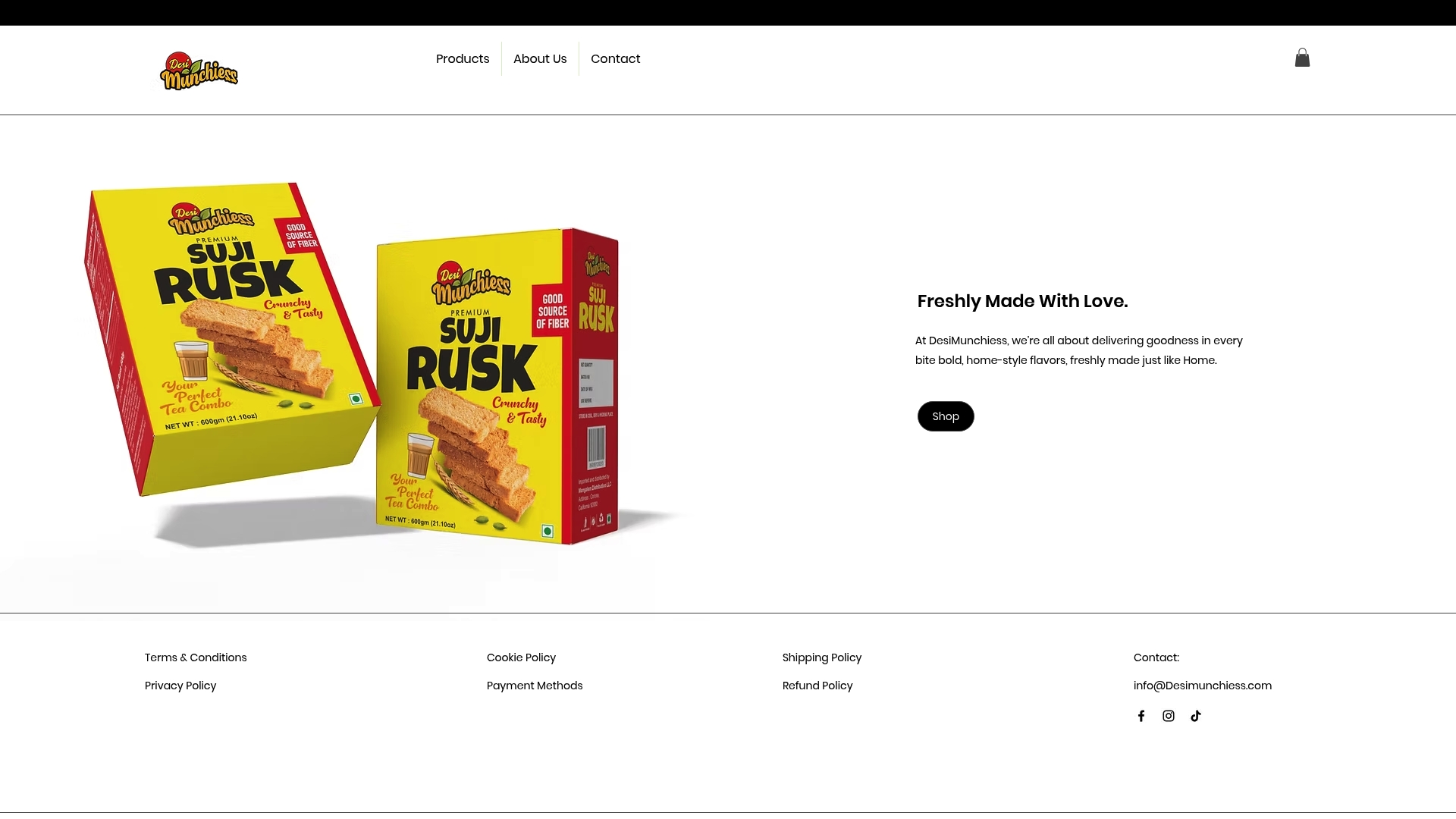
Desimunchiess makes freshly made Indian snacks, including roasted chana and lightly salted options, using authentic, handcrafted recipes and high-quality ingredients. Every batch is made in small quantities to keep things fresh. The snacks are designed for health-conscious people who want real flavor without the ingredient list of a mass-produced product. Always check the Nutrition Facts panel and serving size on any packaged snack, including ours, to confirm it fits your personal sodium target. Ready to find your next favorite low-sodium bite? Browse the Desimunchiess snack shop and see what’s freshly made.
Sources
These U.S.-focused sources are worth bookmarking for ongoing sodium guidance, label help, and recipe ideas.
This article is general information, not a substitute for advice from a qualified doctor. Consult a qualified healthcare professional about your own circumstances before acting on anything here.
Recommended
Comments