
High-Protein Traditional Indian Snacks for Fitness Fans

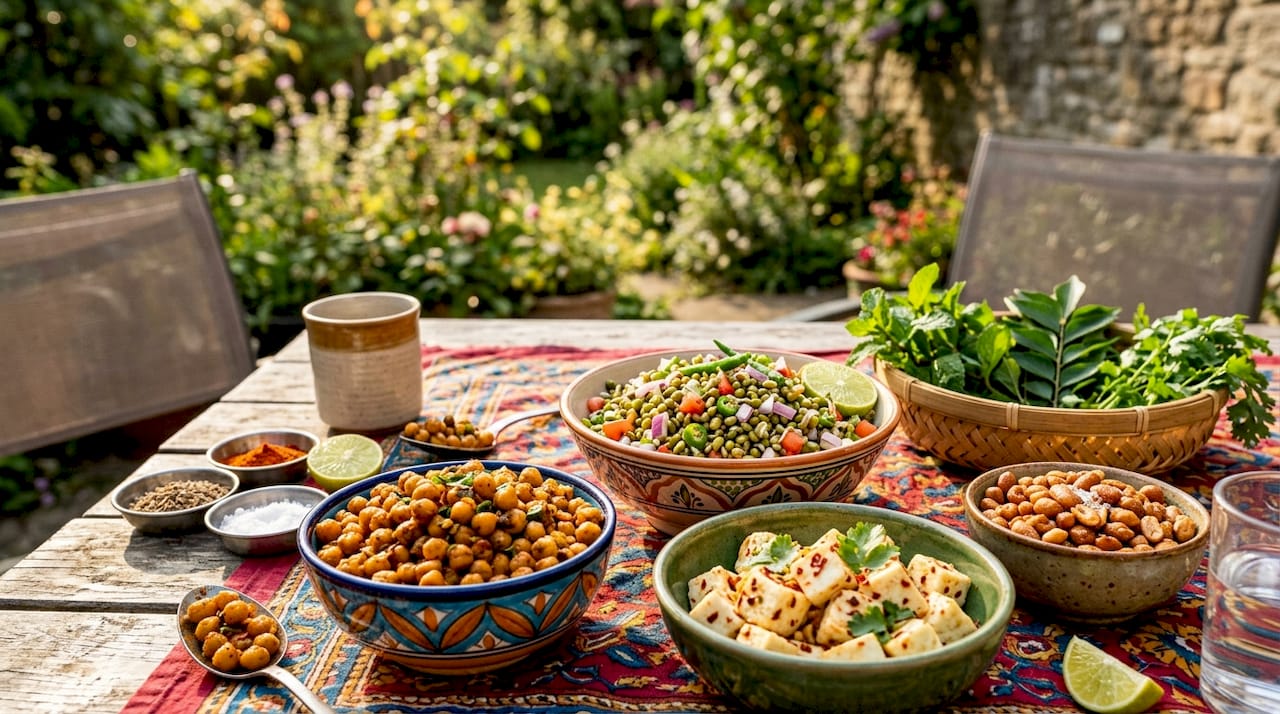
High-protein traditional Indian snacks are nutrient-dense foods, including roasted chana, paneer cubes, peanuts, and sprouted moong, that deliver essential protein through simple, time-tested preparation. These foods fall under what nutrition professionals call “whole-food protein sources,” meaning the protein comes packaged with fiber, healthy fats, and micronutrients rather than isolated from a supplement. For fitness enthusiasts and health-conscious snackers, they offer a practical, affordable alternative to processed protein bars. The snack diversity in Indian cuisine makes it easy to rotate options and stay consistent with your protein goals.
1. What are the top high-protein traditional Indian snacks?
The best protein-rich Indian snacks come from three food groups: legumes, dairy, and nuts. Each group brings a different protein profile and eating experience, so rotating among them keeps your diet both nutritious and interesting.
Roasted chana (bhuna chana)
Roasted chana is the most accessible high-protein snack in the Indian pantry. A 30g serving delivers 5.7–7g protein at roughly 90–120 calories. That protein-to-calorie ratio makes it one of the best types of low-calorie Indian snacks available. You can eat it plain, toss it with chaat masala, or mix it into a trail mix with dried fruit.
Peanuts
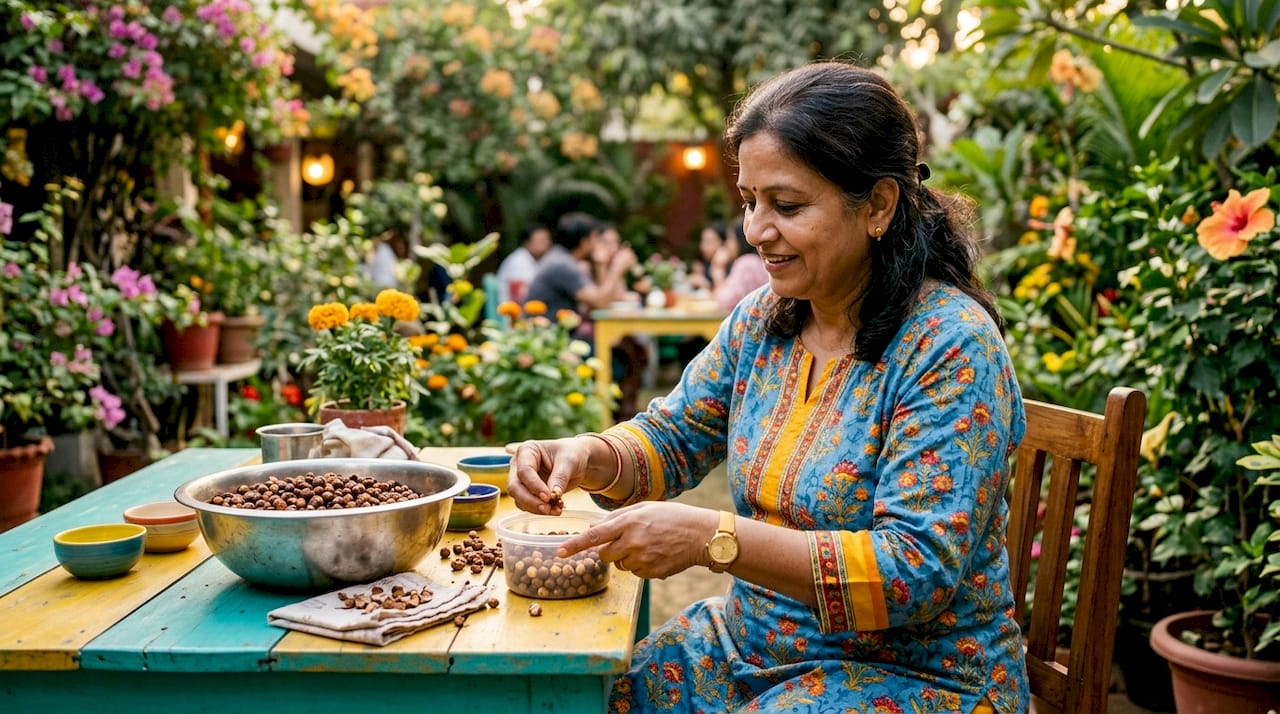
Peanuts are calorie-dense but protein-packed. A 30g serving provides approximately 7.8g protein along with magnesium, B vitamins, and healthy fats for sustained energy. Roasted and lightly salted peanuts are a classic Indian snack for a protein boost, especially before or after a workout. Keep a small jar at your desk for a quick, no-prep option.
Paneer cubes
Paneer is one of the most protein-rich Indian snacks from the dairy category. 50g of paneer contains around 9g protein and requires zero cooking when eaten raw. Season cubes with black salt, cumin, and a squeeze of lemon for a satisfying, high-protein vegetarian snack. It also works well diced into a cucumber and tomato salad.
Thick curd or Greek-style yogurt
Thick curd is a traditional Indian protein dish that doubles as a snack base. 150g of thick curd delivers about 15g protein, making it one of the highest-protein options on this list. Add a pinch of roasted cumin powder and fresh coriander to turn plain curd into a flavorful, filling snack. It pairs well with roasted chana for a complete protein and fiber combination.
Sprouted moong salad
Sprouted moong is a traditional high-protein recipe that requires no heat. Sprouting increases the bioavailability of protein and adds a satisfying crunch. Toss sprouted moong with diced onion, tomato, green chili, lemon juice, and chaat masala for a quick, easy high-protein snack. The fiber content also slows digestion, keeping you full longer.
Roasted makhana (fox nuts)
Makhana is a popular light snack, but its protein content is modest. 30g of roasted makhana contains only about 2.7g protein at roughly 50 calories. That makes it a good low-calorie option but a weak standalone protein source. Pair it with a handful of peanuts or a small bowl of curd to build a more complete snack.
Pro Tip: Prepare a weekly snack box with portioned bags of roasted chana, peanuts, and makhana. Pre-portioning removes the guesswork and keeps you from overeating calorie-dense options like peanuts.
2. How preparation techniques preserve protein and flavor
Traditional Indian snack making techniques directly affect how much protein and nutrition you get from each bite. The good news is that the most common methods, roasting, sprouting, and minimal-oil seasoning, are also the most protein-friendly.
Roasting is the backbone of Indian snack preparation. Dry-roasting chana, peanuts, and makhana at moderate heat preserves their protein content while extending shelf life. Unlike deep-frying, roasting adds no excess fat. You can learn more about these methods through Desimunchiess’s guide on traditional snack making techniques.
Sprouting is a game-changing step for legumes like moong. The sprouting process breaks down antinutrients like phytic acid, which normally block protein absorption. The result is a snack with higher protein digestibility than the unsprouted version. Two days of soaking and draining at room temperature is all it takes.
Seasoning without oil keeps snacks light and calorie-controlled. A dry spice blend of cumin, black salt, amchur (dried mango powder), and chili powder adds bold flavor without adding fat. This approach is central to the best traditional Indian snacks because it respects the ingredient rather than masking it.
Batch-preparing roasted chana once a week removes the daily effort of snack preparation. Store it in an airtight container and it stays fresh for up to two weeks.
Pro Tip: Roast a large batch of peanuts and chana together with your spice blend on Sunday. Divide into 30g portions in small zip-lock bags. You have a full week of easy high-protein snacks ready to grab.
3. Practical strategies for fitting protein snacks into your fitness diet
Snack timing is not optional for fitness-focused eaters. It is a tool. Protein-rich snacks at afternoon hunger peaks help control caloric intake and improve long-term health outcomes. The 4 PM window is particularly important because cortisol levels rise in the late afternoon, triggering hunger and cravings for high-sugar foods.
Here is a practical framework for building protein snacking into your day:
Morning snack (10 AM): A small bowl of thick curd with roasted cumin. This delivers up to 15g protein and keeps you satisfied until lunch.
Afternoon snack (4 PM): A 30g portion of roasted chana or peanuts. A well-timed protein snack adds around 8g protein and prevents overeating at dinner.
Post-workout snack: Paneer cubes with black salt and lemon. The fast-absorbing dairy protein supports muscle repair within 30–60 minutes after training.
Evening snack: Sprouted moong salad or makhana paired with a handful of peanuts. The combination gives you both crunch and satiety without heavy calories.
Portability matters for busy schedules. Roasted chana and peanuts are shelf-stable, require no refrigeration, and fit easily into a gym bag or office drawer. Paneer and curd need refrigeration, so plan those for home or office settings.
Snack timing and protein content are critical tools for preventing caloric intake failure throughout the day. Fitness experts recommend focusing on natural protein-rich snacks from legumes and nuts rather than costly processed supplements for sustained health. That advice aligns perfectly with the Indian snack tradition, which has been doing exactly that for centuries.
Pro Tip: If you are trying to lose weight, choose roasted chana over peanuts as your primary snack. Chana gives you nearly the same protein at significantly fewer calories per gram of fat.
4. How protein and calories compare across popular Indian snacks
Choosing the right snack depends on your goal. Weight management calls for high protein at low calories. Energy and endurance training calls for more calorie-dense options. The table below makes that tradeoff clear.
Snack | Serving Size | Protein | Calories | Fiber |
Thick curd | 150g | ~15g | ~90 cal | Low |
Peanuts | 30g | ~7.8g | ~170 cal | Moderate |
Paneer cubes | 50g | ~9g | ~130 cal | None |
Roasted chana | 30g | 5.7–7g | 90–120 cal | High |
Roasted makhana | 30g | ~2.7g | ~50 cal | Low |
Thick curd wins on protein per calorie. It delivers the most protein at the lowest calorie cost, making it the top choice for weight management. Peanuts win on total protein per serving but come with the highest calorie count. That makes peanuts better suited for active days or post-workout recovery.
Makhana scores lowest on protein but highest on lightness. Pairing it with paneer or peanuts solves the satiety gap without adding excessive calories. The best healthy Indian snack ideas combine one high-protein option with one high-fiber option for a snack that satisfies on both fronts.
Key takeaways
High-protein traditional Indian snacks from legumes, dairy, and nuts deliver the most protein per calorie and require minimal preparation to fit into a fitness-focused daily routine.
Point | Details |
Best protein-to-calorie snack | Thick curd provides ~15g protein per 150g at roughly 90 calories. |
Top shelf-stable option | Roasted chana offers 5.7–7g protein per 30g and stores for weeks. |
Makhana needs pairing | At ~2.7g protein per 30g, makhana requires a protein-rich partner for satiety. |
Snack timing drives results | A 4 PM protein snack adds ~8g protein and reduces dinner overeating. |
Sprouting boosts absorption | Sprouting moong increases protein digestibility by removing antinutrients. |
Why I stopped buying protein bars and went back to basics
Shivam’s take on traditional snacks and modern fitness goals
I spent two years buying expensive protein bars before I realized roasted chana was doing the job better. The bars had longer ingredient lists, more sugar, and cost three times as much per gram of protein. The chana cost almost nothing and tasted like something my grandmother made.
The shift changed how I think about snacking entirely. Traditional Indian snacks are not a compromise. They are the original whole-food protein strategy. Legumes, dairy, and nuts have been the foundation of Indian vegetarian nutrition for generations, long before the supplement industry existed.
What I tell people now is this: start with what you already know. If you grew up eating bhuna chana or peanuts at chai time, you already have the habit. You just need to make it intentional. Portion it, time it, and pair it with something fibrous.
The one mistake I see fitness-focused people make is treating makhana as a protein snack. It is a lovely light snack, but it will not keep you full. Pair it with paneer or a handful of peanuts and it becomes a genuinely satisfying option. Simplicity and affordability beat supplements every time when you know what you are working with.
— Shivam
Authentic high-protein Indian snacks from Desimunchiess
We love making snacks that feel like home. At Desimunchiess, every product starts with a traditional recipe and real, quality ingredients. No shortcuts, no fillers.
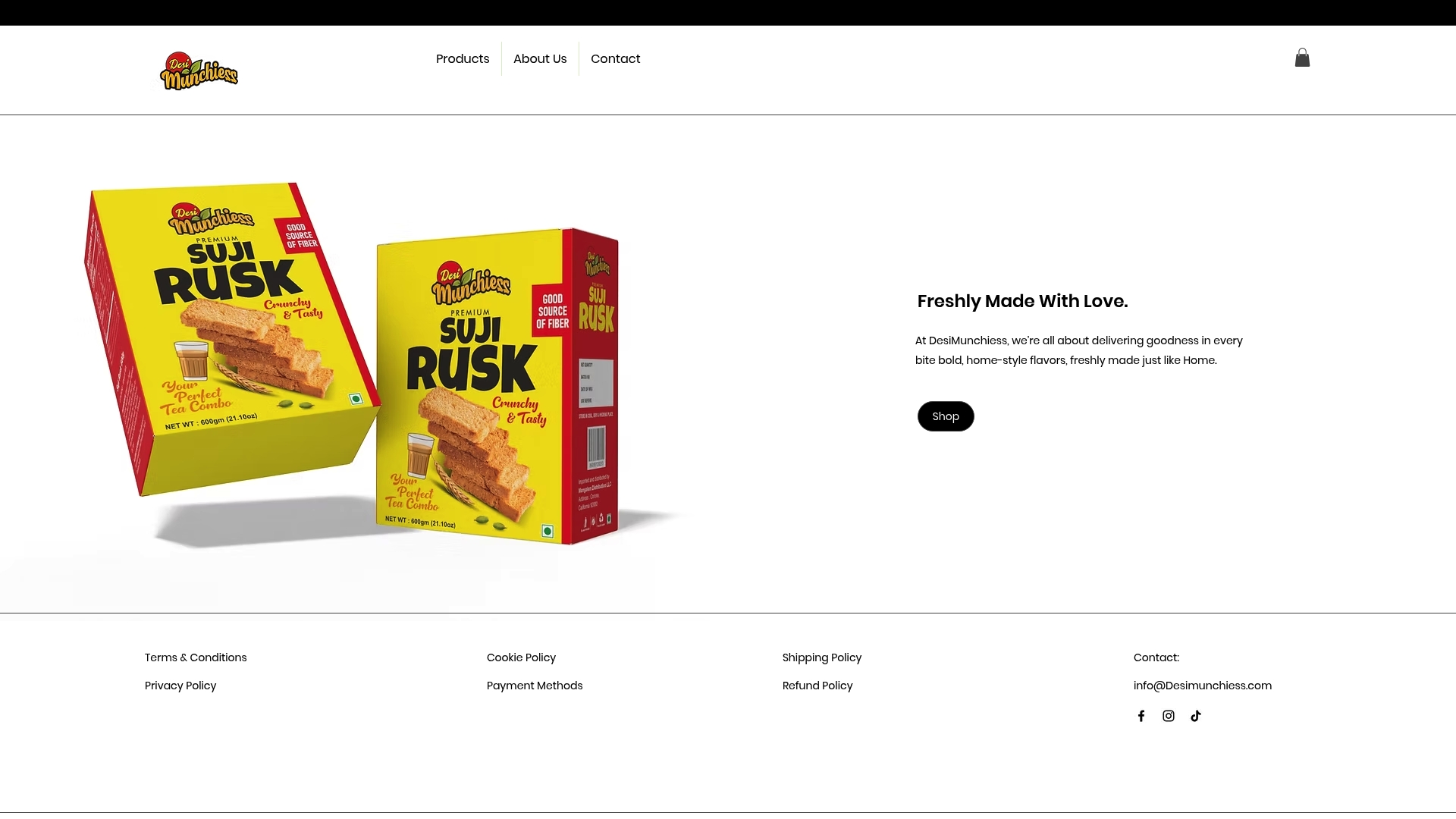
If you want roasted chana that actually tastes like it was made in someone’s kitchen, try Desimunchiess roasted chana. It is bold, crunchy, and made the way it should be. For fitness enthusiasts who want convenient, authentic snacks without the processed ingredient list, shop the full range at Desimunchiess. Real flavors, real protein, real goodness in every bite.
FAQ
What Indian snack has the most protein per serving?
Thick curd or Greek-style yogurt delivers the highest protein per serving, at approximately 15g per 150g. Paneer cubes and peanuts follow closely at 9g and 7.8g per serving respectively.
Are roasted chana and peanuts good for weight loss?
Roasted chana is the better weight-loss option because it provides 5.7–7g protein at only 90–120 calories per 30g. Peanuts offer more protein but also significantly more calories due to their fat content.
How does sprouting improve the protein in moong?
Sprouting breaks down phytic acid, an antinutrient that blocks protein absorption in raw legumes. The result is a snack with higher digestible protein and added crunch without any cooking.
When is the best time to eat a protein-rich Indian snack?
The 4 PM window is the most effective time for a protein snack. A well-timed afternoon snack adds roughly 8g protein and prevents the overeating that typically follows late-afternoon hunger spikes.
Can makhana be a standalone high-protein snack?
Makhana is not a strong standalone protein source. At approximately 2.7g protein per 30g, it works best when paired with peanuts, paneer, or thick curd to create a balanced, satisfying snack.
Recommended
Comments