
Homemade Snack Nutrition Explained for Families

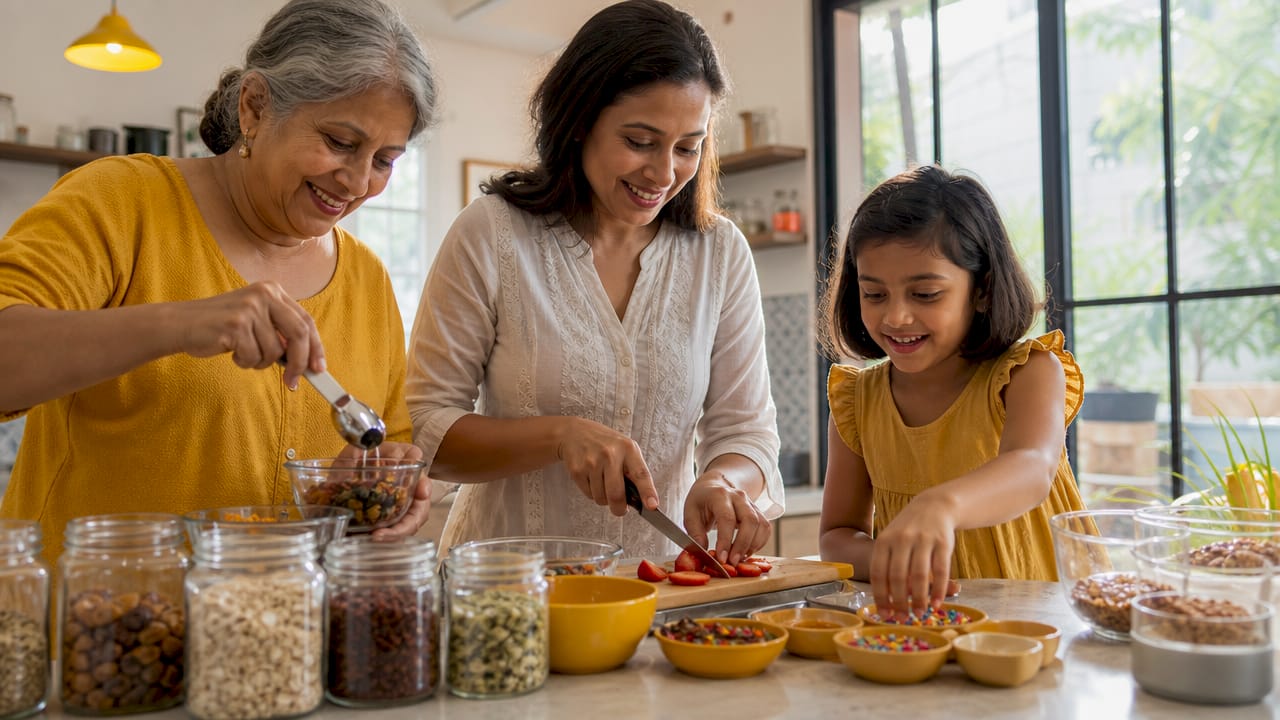
Homemade snack nutrition is defined as the practice of controlling ingredients and preparation methods to maximize the health benefits of every bite. Commercial snacks routinely contain hydrogenated oils, preservatives, and excess sodium that erode their nutritional value before they even reach your hands. Federal dietary guidelines from the CDC and FDA set daily sodium limits at 2,300 mg and cap added sugars at 10 grams per snack. Homemade snacks consistently beat those benchmarks because you choose every ingredient. That control is the single biggest nutritional advantage of making snacks at home.
What does homemade snack nutrition explained actually mean?
Homemade snack nutrition covers six core nutrients: calories, sodium, added sugars, fats, fiber, and protein. Each one plays a specific role in how a snack affects your energy, hunger, and long-term health. Understanding these six nutrients gives you a clear framework for building snacks that actually do something good for your body.
Calories and portion size set the foundation. A snack should bridge the gap between meals without replacing one. Keeping portions to a single serving prevents calorie creep, which is one of the most common mistakes families make when snacking freely from a large bag.
Sodium is the hidden problem in most packaged snacks. The FDA sodium limit of 2,300 mg per day sounds generous until you realize a single serving of commercial corn nuts can deliver 180–200 mg in one sitting. Homemade versions give you direct control over how much salt goes in.
Added sugars are not the same as naturally occurring sugars in fruit or dairy. The FDA Nutrition Facts Label now separates the two, making it easier to spot hidden sweeteners. Keeping added sugars below 10 grams per snack protects against energy spikes and crashes.
Saturated and trans fats raise LDL cholesterol. Choosing natural oils like olive or avocado oil instead of hydrogenated fats keeps your snack in a healthier fat category.
Fiber slows digestion and keeps you full longer. Homemade nut-based energy balls deliver 2.2g of fiber per 100 calories, compared to just 0.9g in budget commercial versions.
Protein prevents the energy dip that follows a high-sugar, low-protein snack. Nuts, seeds, and legumes are reliable protein sources that work well in homemade recipes.
Pro Tip: Read the Nutrition Facts Label on any store-bought snack and check the “Added Sugars” line specifically. If it exceeds 10 grams per serving, that snack is working against your energy, not for it.
How do homemade snacks compare to commercial options?
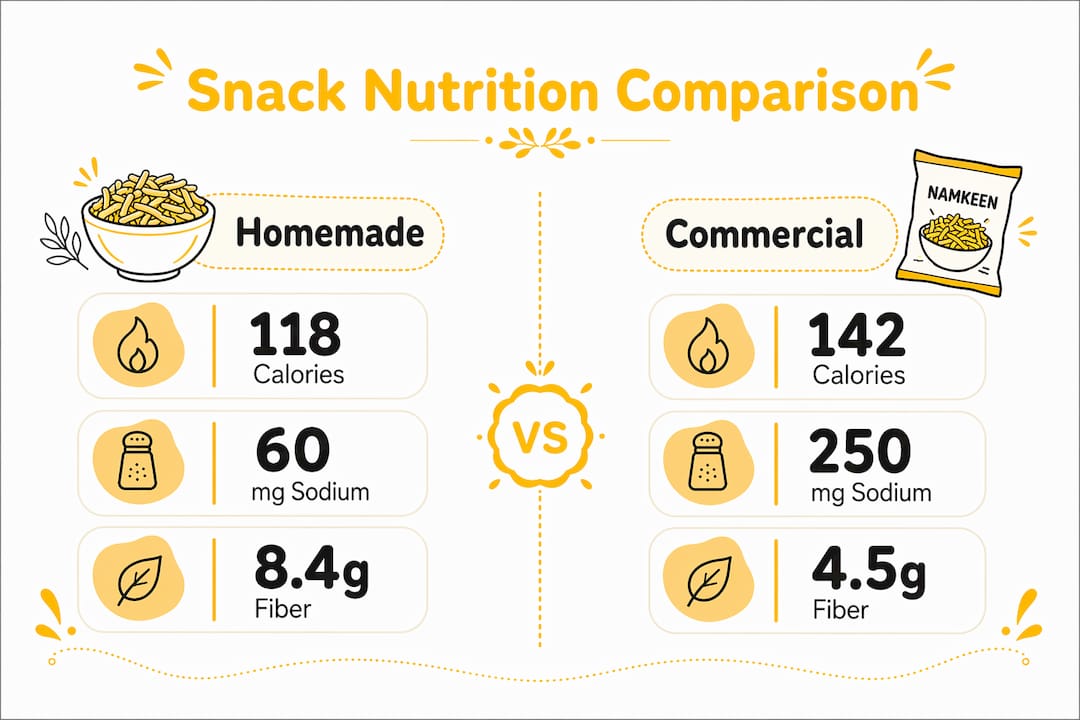
The calorie gap between homemade and commercial snacks is real and measurable. Homemade energy balls average 118 calories per ball versus 142 calories for commercial versions. That 17% calorie reduction adds up to 120 fewer calories across five snacks. For families snacking daily, that difference matters over weeks and months.
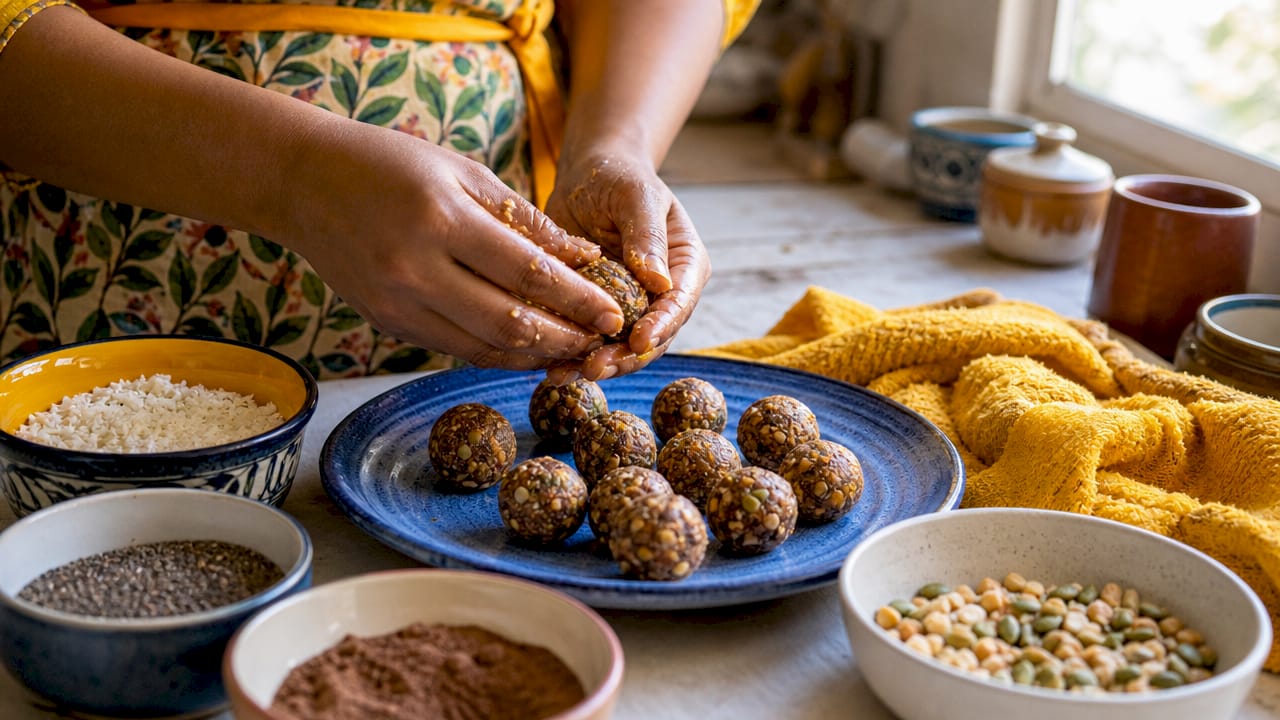
Sodium reduction is even more dramatic. Homemade corn nuts contain 60 mg of sodium per one-ounce serving. Commercial versions pack 180–200 mg into the same amount. That is roughly a 70% reduction in sodium from one simple ingredient swap: skipping the heavy salt coating used in mass production.
The NOVA food classification system ranks foods by degree of processing. Ultra-processed snacks fall into NOVA Group 4, the category with the worst nutritional profiles. Manufacturing adds hydrogenated oils, artificial preservatives, and high salt that reduce nutritional density significantly. Homemade snacks skip that classification entirely.
Metric | Homemade snack | Commercial snack |
Calories per serving (energy balls) | 118 | 142 |
Sodium per oz (corn nuts) | 60 mg | 180–200 mg |
Fiber per 100 calories (energy balls) | 2.2g | 0.9g (budget) |
Preservatives | None | Common |
NOVA classification | Group 1–2 | Group 4 |
Three homemade energy balls provide 8.4g of fiber versus 4.5g in an equivalent commercial serving. Most Americans fall short of daily fiber targets. Homemade snacks close that gap without requiring a supplement.
Pro Tip: Make a double batch of homemade energy balls on Sunday and refrigerate them. You get five days of grab-and-go snacks with better fiber, fewer calories, and no preservatives.
What are the best ingredients and preparation methods for nutritious snacks?
Whole foods form the backbone of every nutritious homemade snack. Dates, nuts, seeds, dried hominy, and natural oils each contribute specific nutrients without the additives that commercial production requires. Choosing these ingredients from the start means your snack is nutritionally dense before you even begin preparing it.
Preparation technique matters as much as ingredient choice. Soaking dried hominy for 8–12 hours before baking produces the crunchy texture that makes corn nuts satisfying. Soaking dates for 5–10 minutes softens them enough to bind energy balls without adding sugar or artificial binders. Both techniques replace the role that additives play in commercial production.
Blending duration directly controls texture and nutritional density. Over-blending nut mixtures releases excess oils, producing a dense, greasy texture. Under-blending leaves the mixture crumbly, which pushes you toward adding more sweetener to hold it together. Finding the right blending time, usually 20–30 seconds in short pulses, gives you a snack that holds its shape without extra sugar or fat.
Here are the best ingredients to keep stocked for nutritious homemade snacks:
Dates: Natural sweetener with fiber and potassium. Soak briefly for smooth binding.
Almonds and cashews: Protein and healthy fats. Pulse, do not blend continuously.
Chia seeds and flaxseeds: Fiber and omega-3 fatty acids. Add after blending to preserve texture.
Dried hominy: Complex carbohydrates with a satisfying crunch when baked. Soak overnight.
Olive oil or avocado oil: Unsaturated fats that replace hydrogenated alternatives.
Pro Tip: Portion your homemade snacks into single-serving containers right after making them. Transparent ingredient lists and controlled portions are two of the biggest advantages homemade snacks have over packaged options. Use that advantage intentionally.
How do you build balanced homemade snacks for lasting energy?
A balanced snack combines a fruit or vegetable with a reliable protein source. This pairing provides fiber and sustained energy while preventing the blood sugar spike that follows a high-sugar, low-protein snack. It is the simplest framework for snack planning that works for both kids and adults.
Start with a fruit or vegetable. Apple slices, carrot sticks, or cucumber rounds provide natural sugars, water content, and fiber. These slow digestion and give your snack staying power.
Add a protein source. Almond butter, hummus, Greek yogurt, or a handful of mixed nuts each deliver protein that keeps hunger at bay for two to three hours.
Include a healthy fat. A few walnuts, a drizzle of tahini, or a small serving of avocado adds satiety without spiking blood sugar.
Watch the added sugars. Flavored yogurts, sweetened nut butters, and dried fruit with added sugar can push a snack past the 10-gram added sugar limit quickly. Choose plain versions and sweeten with fresh fruit instead.
Control the portion. A balanced snack sits between 150 and 250 calories. Anything larger starts functioning as a meal, which disrupts appetite at the next sitting.
For families, this framework translates into practical combinations: apple slices with almond butter, carrot sticks with hummus, or a small bowl of homemade trail mix with nuts, seeds, and a few dried cranberries. These snacks take under five minutes to assemble and deliver far more nutritional value than a packaged alternative. Snacks that are easy to build for families also tend to be the ones that actually get eaten consistently.
Key Takeaways
Homemade snacks deliver superior nutrition because controlling ingredients directly reduces calories, sodium, and added sugars while increasing fiber and protein compared to commercial alternatives.
Point | Details |
Calorie advantage | Homemade energy balls average 118 calories versus 142 in commercial versions, a 17% reduction. |
Sodium reduction | Homemade corn nuts contain 60 mg sodium per ounce versus 180–200 mg in commercial versions. |
Fiber benefit | Three homemade energy balls provide 8.4g fiber, nearly double the 4.5g in commercial equivalents. |
Preparation technique | Soaking and controlled blending replace artificial binders and additives without sacrificing texture. |
Balanced snack formula | Pairing a fruit or vegetable with protein sustains energy and prevents blood sugar spikes. |
What I have learned from years of watching families snack
The biggest mistake I see families make is treating homemade snacks as a project rather than a habit. They spend a Sunday making elaborate recipes, burn out by Tuesday, and go back to packaged snacks by Thursday. The families who actually stick with homemade snacking keep it simple. Five ingredients or fewer. One prep session per week. Done.
Texture and taste are underrated factors in snack adoption. A nutritionally perfect snack that nobody wants to eat is useless. Over-blending energy balls into a paste, or under-baking corn nuts so they stay chewy, kills the habit before it starts. Getting the preparation right, specifically the soaking times and blending duration, is what separates a snack people reach for again from one that sits in the fridge until it gets thrown out.
The nutrition standards around added sugars and sodium have tightened noticeably in recent years. The FDA’s updated Nutrition Facts Label now makes added sugars visible in a way they never were before. That single change has made it much harder to ignore what is actually in a packaged snack. Homemade snacks sidestep that problem entirely because you never had those additives in the first place.
My honest recommendation: start with one recipe, master the preparation technique, and build from there. A batch of homemade snacks without preservatives made well beats a dozen complicated recipes made poorly. Simplicity is the strategy that actually works.
— Shivam
Authentic snacks from Desimunchiess, made the homemade way
We know that making everything from scratch is not always possible. That is exactly why Desimunchiess exists. We craft bold, freshly made snacks using traditional recipes and high-quality ingredients, the kind you would recognize from a home kitchen, not a factory floor.
Every product in our collection is made with ingredient transparency and real flavor in mind. From crunchy savory bites to satisfying traditional treats, our authentic Indian snacks online are built for people who care about what they eat. If you want the taste of homemade without the prep time, we have got you covered. Check out our Tikoni Mathi for a classic example of traditional snacking done right.
FAQ
What nutrients matter most in homemade snacks?
Fiber, protein, sodium, and added sugars are the four nutrients to watch. Federal guidelines cap added sugars at 10 grams per snack and sodium at 2,300 mg per day.
How many fewer calories do homemade snacks have?
Homemade energy balls average 118 calories per ball versus 142 in commercial versions, a 17% calorie reduction per serving.
Why do homemade snacks have less sodium?
Homemade snacks skip the heavy salt coatings used in commercial production. Homemade corn nuts, for example, contain 60 mg of sodium per ounce compared to 180–200 mg in store-bought versions.
What is the easiest way to build a balanced snack?
Pair a fruit or vegetable with a protein source such as almond butter, hummus, or nuts. This combination provides fiber and sustained energy without a blood sugar spike.
Does preparation technique affect snack nutrition?
Yes. Soaking dates and dried hominy replaces artificial binders and additives. Controlling blending duration prevents excess oil release and reduces the need for added sweeteners.
Recommended
Comments