
Homemade Snacks vs. Packaged: Real Benefits for Families

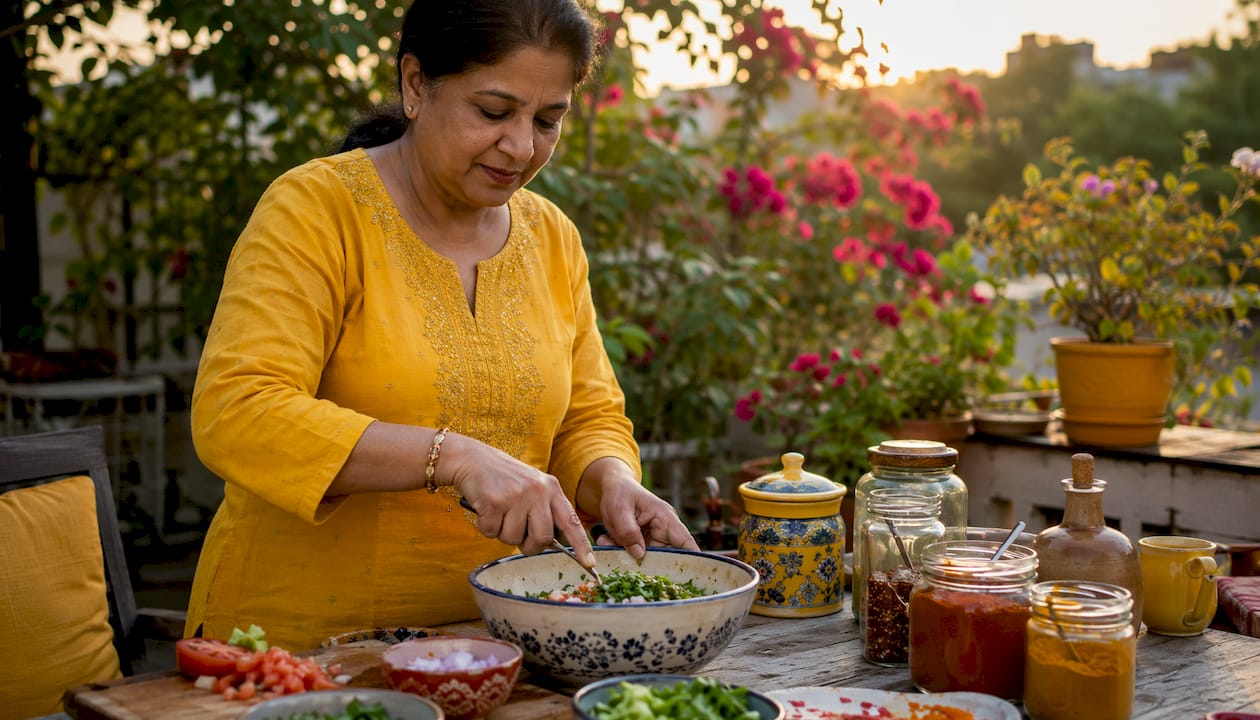
For most families, the benefits of homemade snacks over packaged come down to three things: you control the ingredients, the flavor is fresher, and you know exactly what’s in every bite. If you want that homemade quality without making everything from scratch, Desimunchiess delivers freshly made, traditional Indian snacks straight to your door.
Here’s what makes homemade-style snacks worth choosing:
Ingredient control — whole grains, real oils, no mystery additives
Fresher flavor — small-batch production means better taste and aroma
Allergen transparency — you see every ingredient, not just the top allergens
Fewer preservatives — shorter ingredient lists, less processed filler
Family-friendly — easier to customize for kids and dietary needs
Cultural authenticity — traditional recipes that actually taste like home
Table of Contents
1. You control what goes into every bite
The single biggest homemade snack advantage is choosing your own base ingredients. Swap refined flour for atta, use cold-pressed oil instead of hydrogenated fat, and cut sugar by half. Those choices change the fiber content, the fat profile, and how the snack actually makes you feel an hour later.
Food experts confirm that the core benefit is consumer empowerment to choose higher-quality, whole-food ingredients and skip artificial emulsifiers and dyes. That’s the real win, not some guaranteed chemical superiority.
Common additives worth avoiding in packaged snacks:
Artificial emulsifiers (polysorbate 80, carrageenan) — linked to gut microbiome disruption
Synthetic dyes (Red 40, Yellow 5) — no nutritional value, flagged for sensitivity in children
Excess sodium — many packaged snacks carry far more salt than a homemade equivalent
Hydrogenated oils — still present in some budget snack lines
Pro Tip: When you shop for homemade-style snacks online, open the ingredient list and count the items. A genuine small-batch product typically lists under ten ingredients, all recognizable. If you see more than two items you can’t pronounce, keep scrolling.
For a deeper look at snack nutrition for families, the Desimunchiess blog breaks it down in plain language.
2. Freshness and small-batch production change the taste
Freshly made snacks taste different. That’s not nostalgia talking. When mathri, rusk, or roasted chana goes from a small kitchen to your hands within days, the spice aroma is sharper, the crunch is crisper, and the oil hasn’t had time to turn stale.
What to look for on a product page:
A visible batch or roast date (not just a best-by date)
The word “handmade” or “small-batch” in the product description
Spice notes in the flavor description (cumin, ajwain, black pepper — named, not generic “spices”)
Crispness or texture language that suggests recent production
Mass-packaged snacks need preservatives to survive months on a shelf. That shelf-life comes at a cost: flattened spice notes, softer texture, and a flavor that’s been engineered rather than cooked. Traditional Indian snacks like tikoni mathi and suji rusk are especially sensitive to this. Their character lives in the crunch and the spice, and both fade fast in a warehouse.
3. Additives and food safety: the honest trade-offs
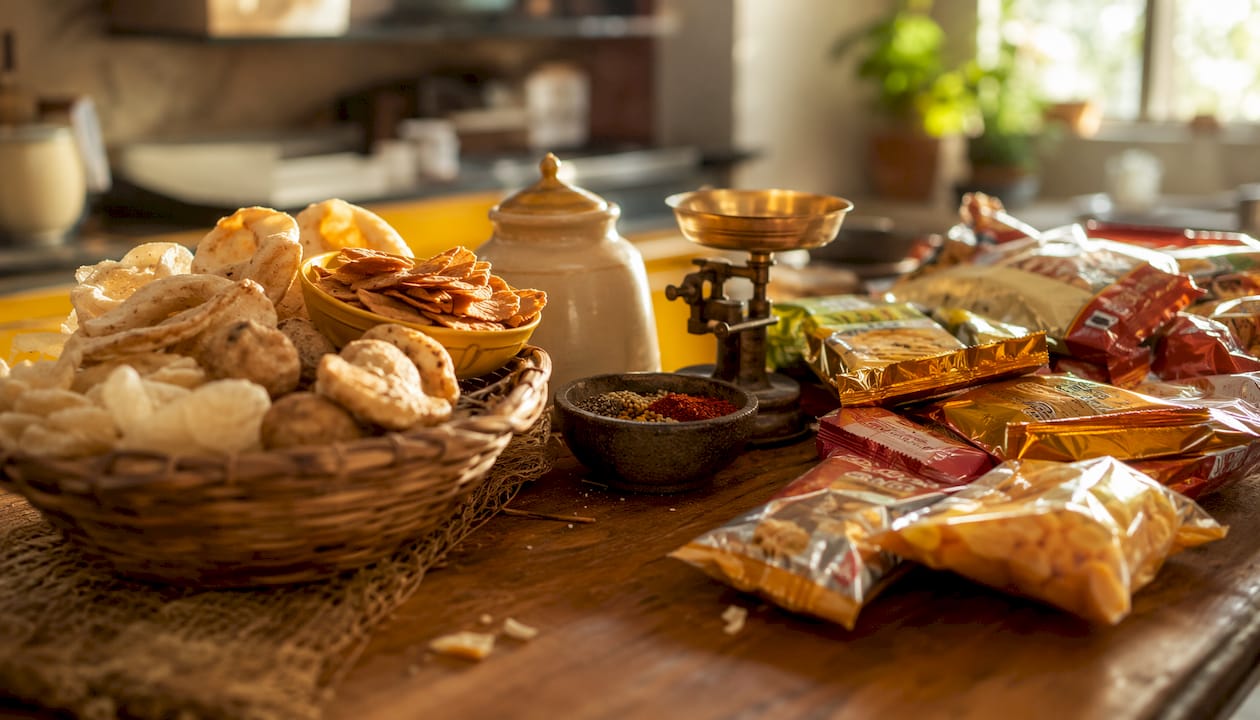
Homemade-style snacks reduce additives, but that doesn’t automatically make them safer. Wageningen University & Research compared homemade and industrial versions of several foods and found comparable nutrient composition and sometimes similar levels of potentially harmful compounds, depending on cooking conditions. Acrylamide, for example, forms as a function of temperature and time, not production scale.
Industrial kitchens do have one real advantage: consistent process control — controlled temperatures, moisture management, and quality checks that reduce contamination risk. A small kitchen without those controls can produce inconsistent results.
What this means for buyers: the safety question isn’t homemade vs. packaged. It’s about how well the producer manages their process. Look for these signals before you order:
Kitchen hygiene statement or food-handler certification on the website
Batch codes and production dates on packaging
Clear storage and use-by instructions
Vacuum-sealed or modified-atmosphere packaging for longer items
Allergy notes that go beyond the standard top-nine list
For parents, the NHS recommends limiting packaged snacks to a maximum of two servings per day for children and using front-of-pack traffic-light labels to identify lower-sugar, lower-salt options. Homemade-style snacks made with safer ingredients for children can sidestep many of those label concerns entirely.
4. Cost and convenience: what the trade-off actually looks like
Homemade-style snacks are often more cost-effective per serving, but they require planning. Batch prepping can make homemade snacks a convenient week-long option, and buying ingredients in bulk cuts the per-unit cost significantly.
Key cost and convenience factors:
Bulk ingredients (atta, lentils, seeds) cost less per serving than finished packaged snacks
Labor and time are real costs — batch cooking takes an hour upfront
Shipping adds cost when ordering online, so larger orders make more sense
Shelf life is shorter without preservatives, so portion planning matters
Pro Tip: Order a larger batch of your favorite homemade-style snacks and portion them into airtight containers. Most vacuum-sealed traditional snacks stay fresh for 2–4 weeks at room temperature and longer in the freezer. You get homemade quality with far less weekly effort.
When life gets busy, a hybrid approach works well: keep a trusted homemade-style option stocked for most days, and reach for a high-quality packaged backup when you’re out. That balance is sustainable long-term.
5. When you need packaged snacks: how to choose better ones
Sometimes packaged is the only option. The NHS traffic-light system is your fastest tool: choose more green and amber ratings, and watch for red on sugar and salt especially. A practical consumer guide from NDSU notes that homemade snack mixes are typically lower in calories, sodium, and sugar than popular packaged chips, cookies, and candy.
Label checklist for packaged snacks:
Ingredients listed in order by weight — whole grain or a named protein should appear first
No hydrogenated oils anywhere in the list
Added sugars under 5g per serving
Preservatives limited to natural options (vitamin E, rosemary extract)
A batch or best-by date that’s recent
Portion cues matter too. Many packaged snacks list a serving size that’s smaller than what most people actually eat. Check the per-serving numbers, then multiply honestly.
Higher-quality packaged snacks tend to use phrases like “whole grain,” “no artificial flavors,” and “simple ingredients.” Short ingredient lists with recognizable items are a reliable signal.
6. What to check when buying homemade-style Indian snacks online
Three quick checks separate genuine homemade-style vendors from mass-packagers: a transparent ingredient list with named spices, a visible batch or production date, and real customer reviews that mention freshness.
Full checklist for product pages:
Ingredient list — named oils, named spices, no vague “natural flavors”
Batch or production date — not just a best-by date; you want to know when it was made
Small-batch claim — “handmade” or “small-batch” in the description
Packaging method — vacuum-sealed or airtight for crunch-sensitive items
Storage and shipping instructions — how it travels and how to store it on arrival
Nutrition panel — calories, sodium, and fat per serving
Allergy notes — beyond the standard top-nine, especially for nut and gluten sensitivities
Product photos — real images showing texture, not just styled marketing shots
Customer reviews — look for words like “fresh,” “crispy,” and “just like homemade”
When reading reviews, filter for recent ones and look for mentions of texture and aroma. Those are the freshness signals that matter most for traditional Indian snacks. If you’re unsure about a seller’s kitchen practices, a small trial order is the lowest-risk way to check quality before committing to a larger batch.
7. How common homemade-style Indian snacks compare
Traditional Indian snacks vary widely in freshness requirements, shelf life, and ingredient sensitivity. Here’s what to expect from the most popular types:
Suji rusk is baked twice, so it holds up well in transit. Look for semolina listed first, minimal sugar, and a batch date within the past two weeks. Texture should be dry and crisp, never soft or crumbly from moisture.
Atta biscuits made with whole wheat flour have a nuttier, denser flavor than refined-flour versions. The ingredient list should show atta before any other flour. Shelf life is typically 3–4 weeks sealed.
Tikoni mathi (the flaky, triangular classic) lives or dies by the oil and the spice blend. Ajwain and black pepper should be named in the ingredients. Fresh mathi snaps cleanly; stale mathi bends.
Roasted chana is one of the most shelf-stable homemade-style snacks, but the roast date still matters for flavor. Recently roasted chana has a nuttier, more intense taste. Look for a roast date and simple seasoning.
Pickles and canned foods follow different rules. Salt and oil act as natural preservatives, so shelf life is longer. Check that the oil is named (mustard oil is traditional) and that no artificial preservatives appear.
Dimension | Suji Rusk | Tikoni Mathi | Roasted Chana | Pickles |
Freshness / taste | Best within 2 weeks | Best within a few weeks | Best within 3 weeks | Improves with age |
Ingredient signals | Semolina first, low sugar | Named spices, good oil | Simple seasoning, roast date | Named oil, no artificial preservatives |
Shelf life (sealed) | 3–4 weeks | 2–3 weeks | 4–6 weeks | Several months |
Child suitability | Good | Good (watch salt) | Excellent | Moderate (high sodium) |
Key Takeaways
Homemade-style snacks give you real ingredient control, fresher flavor, and clearer allergen transparency than most packaged options, and Desimunchiess makes that quality available to order online.
Point | Details |
Ingredient control is the core benefit | Choose whole grains, real oils, and named spices; avoid emulsifiers and artificial dyes. |
Freshness signals matter | Look for a batch or production date, small-batch claim, and named spices on every product page. |
Homemade isn’t automatically safer | Good process control, hygiene statements, and proper packaging matter as much as the recipe. |
Hybrid approach works best | Keep homemade-style snacks stocked for most days; use high-quality packaged options when needed. |
Desimunchiess for homemade quality | Desimunchiess offers small-batch, traditionally made Indian snacks with transparent ingredients, delivered to your door. |
Why we believe homemade-style snacks are worth it
The conventional wisdom says homemade is always healthier. The research says it’s more complicated than that. What actually matters is the intention behind the ingredients and the care in the process.
What gets overlooked in most snack comparisons is cultural value. A tikoni mathi made with ajwain and the right ratio of ghee isn’t just a snack. It carries a flavor memory. Mass production can replicate the shape, but it can’t replicate the intention. That’s why we at Desimunchiess focus on traditional recipes rather than optimized formulas.
The other thing people underestimate is how much the buying checklist matters. Most shoppers look at price and maybe the calorie count. But the batch date, the named spices, the packaging method — those are the signals that tell you whether a product was made with care or just made to move. Once you know what to look for, you can’t unsee it.
Desimunchiess brings homemade-quality Indian snacks to your door
If you’ve been craving the real thing, freshly made with bold spices and honest ingredients, Desimunchiess is where to start. We make traditional Indian snacks in small batches using authentic recipes, with full ingredient transparency and family-friendly formulations that skip the artificial fillers.
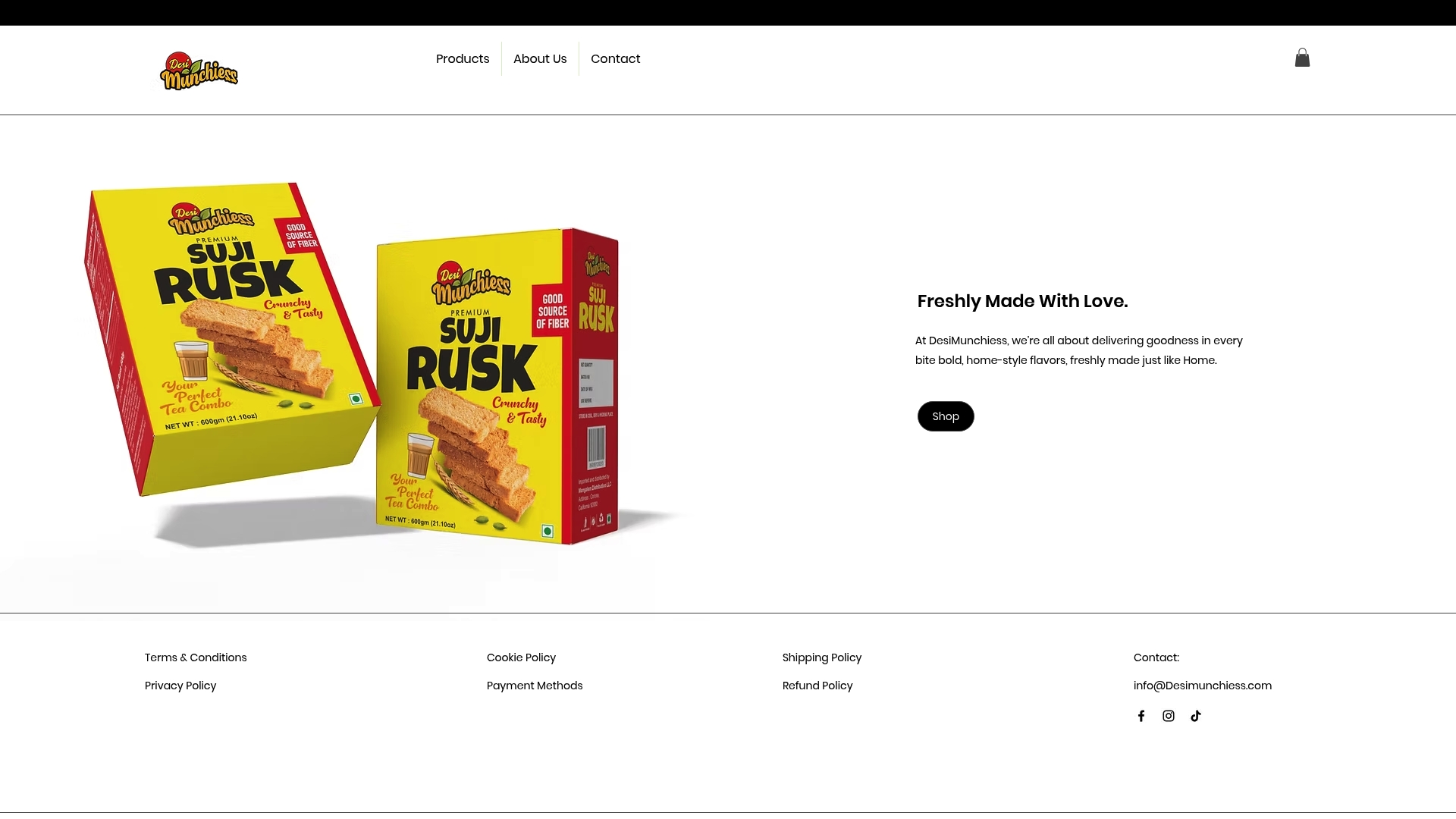
Our Tikoni Mathi 350Gm is a great first order — flaky, spiced with ajwain and black pepper, and made the way it’s meant to be. Check the product page for the ingredient list and batch details. When you’re ready to stock up, browse the full range at Desimunchiess and find your new favorite homemade-style snack.
Useful sources
The following sources informed this article. We encourage you to read the originals.
Source | What it covers | Relevant sections |
NHS — Healthier Snacks | Traffic-light labeling; 2-a-day packaged snack limit for children | Sections 3, 5 |
Wageningen University & Research | Nutrient composition and harmful compounds in homemade vs. industrial foods | Section 3 |
Research paper PDF (University of Milan) | Industrial process control advantages for food safety | Section 3 |
Fox News — Homemade vs. Processed Foods | Expert perspective on ingredient control as the primary benefit | Section 1 |
KimEcopak — Homemade Snack Foods Guide | Batch prep, cost savings, and convenience tips | Section 4 |
NDSU Agriculture — Homemade Snack Mixes | Cost, nutrition, and kid-friendly homemade snack mixes | Section 5 |
Wellbeing Food — Homemade vs. Packaged for Toddlers | Fewer additives, allergy customization, and convenience balance for parents | Sections 3, 6 |
Desimunchiess — Why Homemade Snacks Are Safer for Children | Brand educational content on child safety and ingredient choices | Section 3 |
Recommended
Comments