
School Safe Snack Options: What Parents Need to Know

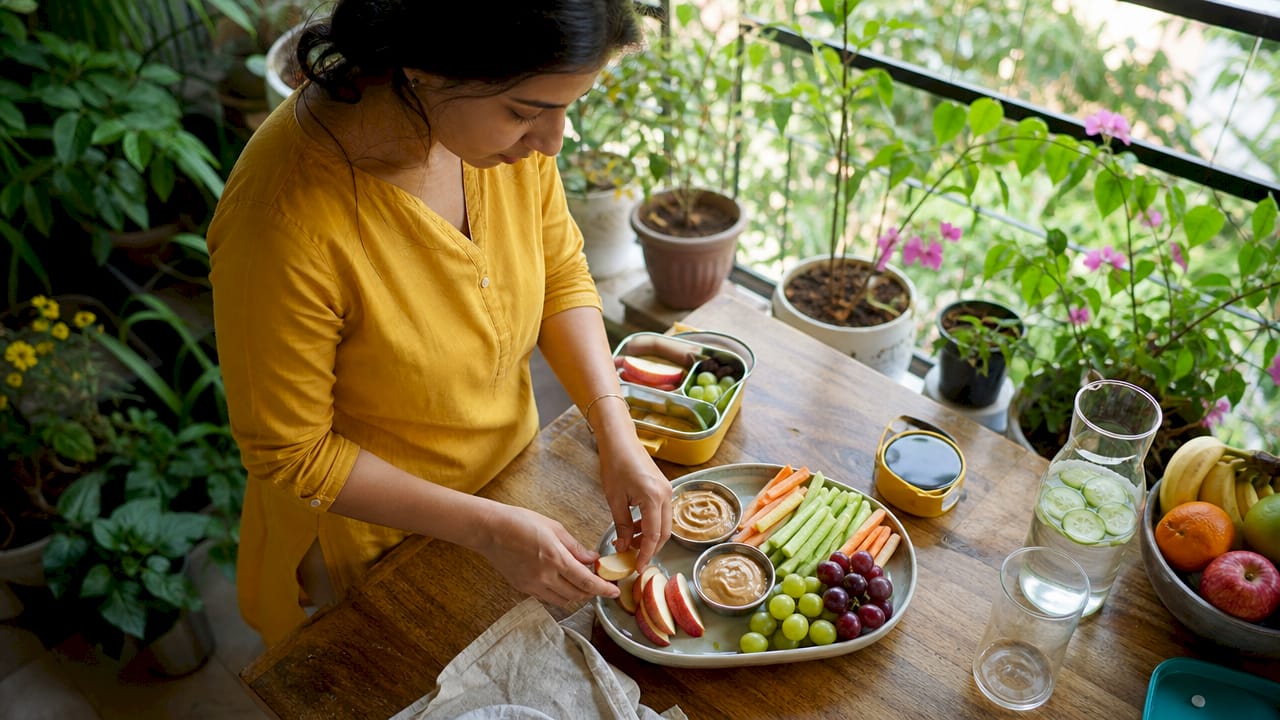
School safe snack options are snacks free from a child’s specific allergens, prepared to avoid cross-contact, and compliant with the school’s individual safety policy. Getting this right matters more than most parents realize. The top nine allergens, including peanuts, tree nuts, milk, eggs, wheat, soy, sesame, fish, and shellfish, all show up in everyday snack foods. Knowing what are school safe snack options means going beyond “nut-free” and thinking about every ingredient, every label, and every school rule. We put this guide together to make that process easier for you.
What are the core allergen rules that shape school snack choices?
School safe snacks meet three specific criteria: free from the child’s allergens, prepared with minimal cross-contact risk, and compliant with the school’s allergy policy. That last part trips up a lot of parents. Schools do not all follow the same rules.
Most parents know about peanut bans. Fewer realize that schools may restrict dairy, eggs, and sesame in addition to nuts. Sesame became the ninth major allergen recognized under U.S. federal law in 2023, and many school policies have since updated to reflect that. You need to verify your school’s exact list every year, because policies change.
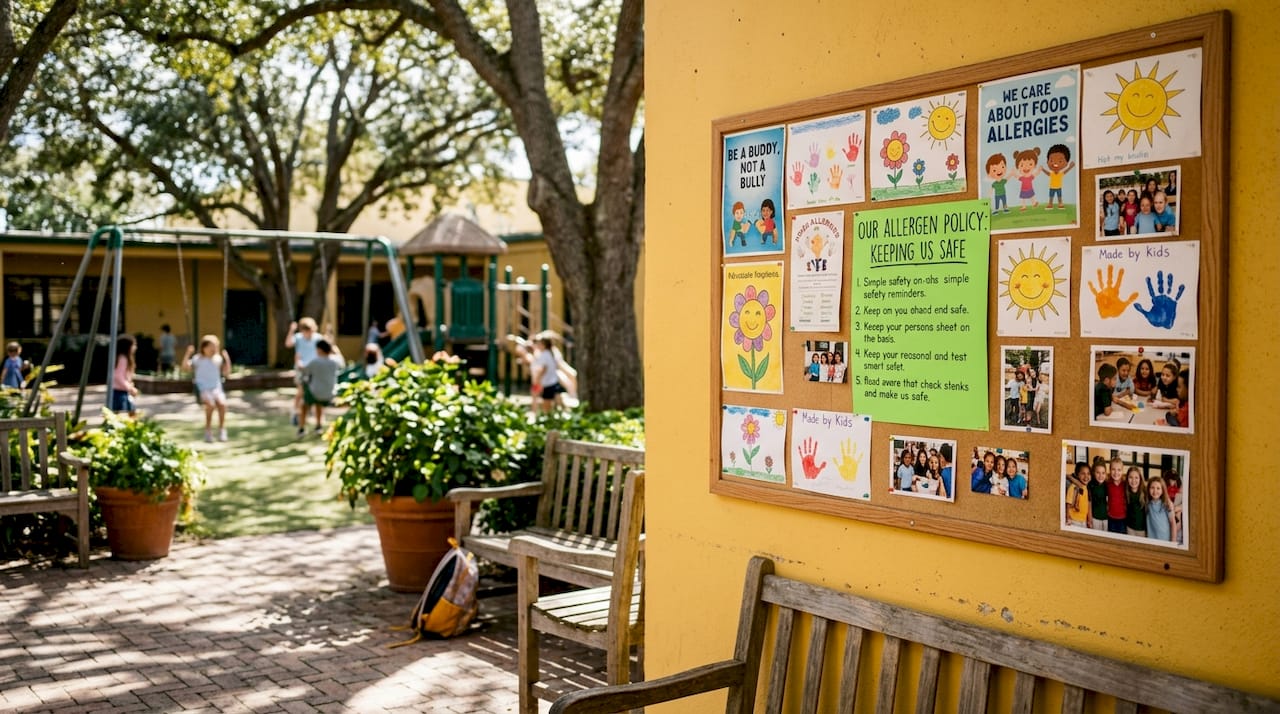
Cross-contact is a separate risk from direct allergen exposure. It happens when a safe food touches a surface, utensil, or container that previously held an allergen. A rice cake is safe on its own. A rice cake cut on a board that also sliced cheese is not.
Here is what to watch for when reviewing snacks:
Peanuts and tree nuts: The most commonly banned allergens in American schools
Dairy and eggs: Increasingly restricted, especially in classrooms with severe allergy cases
Sesame: Now a top-9 allergen; found in hummus, bread, and many seasoning blends
Gluten and wheat: Required avoidance for children with celiac disease or wheat allergy
Soy: Hidden in many packaged crackers, granola bars, and flavored popcorn
Fish and shellfish: Less common in snacks but still worth checking on labels
Pro Tip: Check the school’s written allergy policy at the start of every school year. Policies update, and a snack that was fine last year may no longer be allowed.
How can parents prepare allergy-friendly snacks at home?
Homemade snacks give you full control over ingredients and preparation. That control is the single biggest advantage over packaged options. When you know exactly what went into a snack and how it was made, you remove most of the guesswork around cross-contact.
Start with safe base ingredients. Fresh fruit, raw veggie sticks, plain rice cakes, and air-popped popcorn are naturally free from most top allergens. They require minimal preparation and travel well in a lunchbox. These are the building blocks of reliable, allergy-friendly snack ideas that kids actually eat.
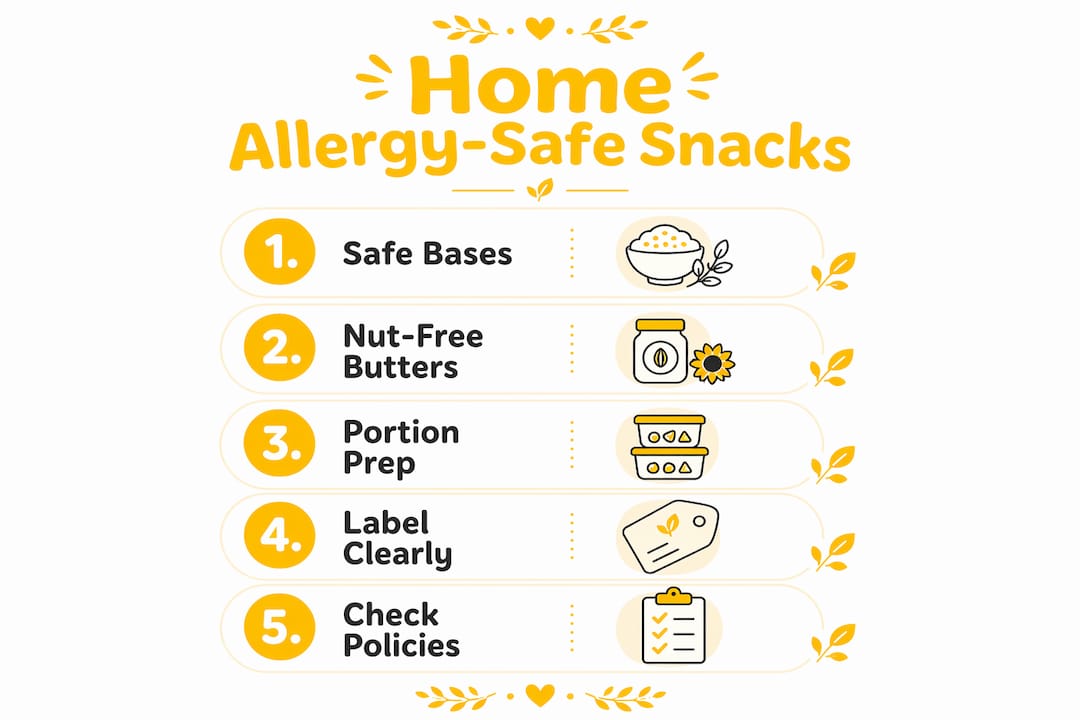
Smart substitutions make a big difference when you want more variety. Dietitians recommend sunflower seed butter and gluten-free oats as the best replacements for peanut butter and wheat-based ingredients in baked snacks. Sunflower seed butter replicates the texture and richness of peanut butter without any nut contact. Gluten-free oats and rice cereal work as the base for granola bars that are free from gluten, dairy, eggs, soy, and nuts all at once.
Follow these steps every time you prepare snacks at home:
Wash hands thoroughly before touching any ingredients or surfaces
Clean all surfaces and cutting boards with hot soapy water before use
Use dedicated utensils that have not touched allergen-containing foods
Avoid shared spreads or dips that may have been double-dipped with other foods
Store snacks in sealed, labeled containers to prevent contact during transport
Check every ingredient label even for products you have used before, since formulas change
Seed butters like sunflower and pumpkin are excellent nut-free alternatives that provide both crunch and nutritional value. Pair sunflower seed butter with rice cakes or spread it on gluten-free bread for a filling, school-compliant snack. Add sliced banana on top and you have something kids genuinely look forward to.
Pro Tip: Make a batch of sunflower seed butter granola bars on Sunday and portion them into individual bags. They stay fresh for the week and take five minutes to pack each morning.
What are reliable snack ideas that meet school safety standards?
The best healthy school snacks share two qualities: simple ingredients and easy preparation. The more complex a snack, the more chances for an allergen to sneak in. Stick to whole foods and short ingredient lists.
Fruit skewers, seed butter sandwiches, homemade popcorn, and veggie sticks with safe dips are among the most reliable options for classroom sharing. They use whole ingredients, satisfy most school restrictions, and hold up well in a lunchbox. Here is a fuller list of snack options for kids that work across most school policies:
Apple slices with sunflower seed butter: Naturally free from the top nine allergens when made with a verified seed butter
Fruit skewers: Grapes, melon, and strawberries on a stick make eating fun and require zero prep beyond washing
Veggie sticks with guacamole: Carrots, cucumber, and bell pepper strips paired with single-ingredient guacamole
Plain rice cakes: Light, crunchy, and free from most allergens; top with seed butter or eat plain
Air-popped popcorn: Season with a pinch of salt only; avoid flavored varieties with hidden dairy or soy
Sunflower seed butter and banana roll-ups: Use a gluten-free tortilla, spread seed butter, add banana slices, and roll
Dairy-free yogurt cups: Coconut or oat-based yogurts work well; verify labels for cross-contact warnings
Homemade granola bars: Made with gluten-free oats, sunflower seed butter, and maple syrup
Cucumber rounds with hummus: Check that the hummus brand is sesame-free, since traditional hummus contains tahini
Frozen fruit pouches: Convenient, single-ingredient, and naturally allergen-free
Roasted pumpkin seeds: A crunchy, nut-free alternative packed with protein and zinc
Sliced mango or pineapple: Bold flavors that kids love, with no allergen concerns
Always label homemade snacks clearly with the child’s name and a brief ingredient list. This helps teachers and school staff respond quickly if a question arises. Store cold snacks in an insulated bag with an ice pack to keep them safe until snack time.
What mistakes do parents make with school safe snacks?
The most common mistake is assuming “healthy” means “safe.” A healthy label does not guarantee school safety. The manufacturing environment and cross-contact risk matter far more than a product’s nutritional profile. A granola bar made with oats and honey can still carry a “may contain peanuts” warning if it was made in a shared facility.
“May contain” statements are voluntary in the United States. Manufacturers are not required to include them, but when they do, take them seriously. That phrase signals a real cross-contact risk in the production facility. Treat “may contain” the same way you treat a confirmed allergen.
Here are the most frequent mistakes to avoid:
Skipping label checks on familiar products: Ingredient lists and manufacturing facilities change without notice
Assuming bakery or homemade items from others are safe: You cannot verify ingredient control in someone else’s kitchen
Relying on “natural” or “organic” labels: These terms say nothing about allergen safety
Forgetting to check dips, sauces, and toppings: These are where hidden allergens most often appear
Not communicating with the school: Teachers and staff need to know about your child’s specific restrictions
“Healthy labeling doesn’t ensure school safety. The manufacturing environment and cross-contact risk matter more for allergy safety than any nutrition claim on the front of the package.”
Experts advise focusing on natural, whole-food snacks rather than trying to recreate allergenic favorites with substitutes. A bowl of fresh fruit is safer and more accepted by kids than an elaborate allergen-free replica of a packaged cookie. Simplicity wins every time. When in doubt, go back to basics: whole fruits, raw vegetables, and single-ingredient foods with no label ambiguity.
Key Takeaways
School safe snacks require allergen awareness, clean preparation, and direct communication with your child’s school every year.
Point | Details |
Define “safe” correctly | A safe snack is allergen-free, low cross-contact risk, and compliant with your school’s specific policy. |
Go beyond nut-free | Schools may restrict dairy, eggs, sesame, and gluten in addition to peanuts and tree nuts. |
Read every label | “May contain” warnings signal real cross-contact risk and should be treated as confirmed allergens. |
Use whole foods first | Fruit, veggie sticks, and plain popcorn are naturally safe and require minimal preparation. |
Communicate with school | Verify your school’s written snack policy at the start of each year, since rules change regularly. |
The snack puzzle is real, and simpler is almost always better
Shivam here. I have talked with a lot of parents who feel like packing school snacks is a puzzle with no clear solution. You want something safe, something nutritious, and something your kid will actually eat. Those three things do not always overlap, and that tension is real.
Here is what I have found after years of thinking about food and how people eat: the parents who stress the least about school snacks are the ones who stopped trying to replicate. They stopped trying to find the perfect allergen-free version of a Reese’s cup or a cheese cracker. They went back to basics. An apple. A bag of pumpkin seeds. A rice cake with sunflower seed butter. Kids adapt faster than we expect when the food is genuinely good.
The other thing I keep coming back to is communication. Talk to your child’s teacher at the start of the year. Ask for the written policy. Ask what other parents are sending. You will often find that the safest snacks are also the most popular ones in the classroom. Fresh fruit and popcorn are crowd-pleasers for a reason.
For picky eaters especially, presentation matters more than perfection. A fruit skewer beats a bowl of fruit every time. Small changes in how you serve a snack can make a big difference in whether your child actually eats it. Focus on that, and the safety piece becomes much more manageable.
— Shivam
Fresh snack ideas, made with love at Desimunchiess
At Desimunchiess, we know how much thought goes into every snack you pack. We make freshly prepared, bold-flavored snacks using real ingredients and traditional recipes, so you always know what is in every bite.
Whether you are looking for savory lunchbox ideas your kids will actually finish or want to learn more about building a snack routine that works for your family, we have got you covered. Our snacks are made with care, without the fillers and mystery ingredients you find in mass-produced options. Good food should taste like home. That is exactly what we deliver. Visit Desimunchiess to see what we have freshly made for your family today.
FAQ
What makes a snack officially “school safe”?
A school safe snack is free from the child’s allergens, prepared with minimal cross-contact risk, and compliant with the school’s specific allergy policy. Always verify your school’s written guidelines before sending any snack.
Are packaged snacks ever safe to send to school?
Packaged snacks can be safe if you verify the full ingredient list and check for “may contain” cross-contact warnings. Read labels every time you buy, since formulas and manufacturing facilities change without notice.
What is the best nut-free substitute for peanut butter?
Sunflower seed butter is the most widely recommended nut-free alternative. It replicates the texture and flavor of peanut butter and works in sandwiches, granola bars, and dips.
How often should parents check school snack policies?
Schools update allergen policies regularly, so check the written policy at the start of every school year. Contact the teacher or school nurse if you are unsure whether a specific snack is allowed.
Do “natural” or “organic” labels mean a snack is allergy-safe?
No. “Natural” and “organic” labels describe how ingredients are grown or processed, not whether they are free from allergens. Always read the full ingredient list and allergen statement regardless of front-of-package claims.
Recommended
Comments