
Gluten-Free Indian Snacks: Buy or Make Them Today

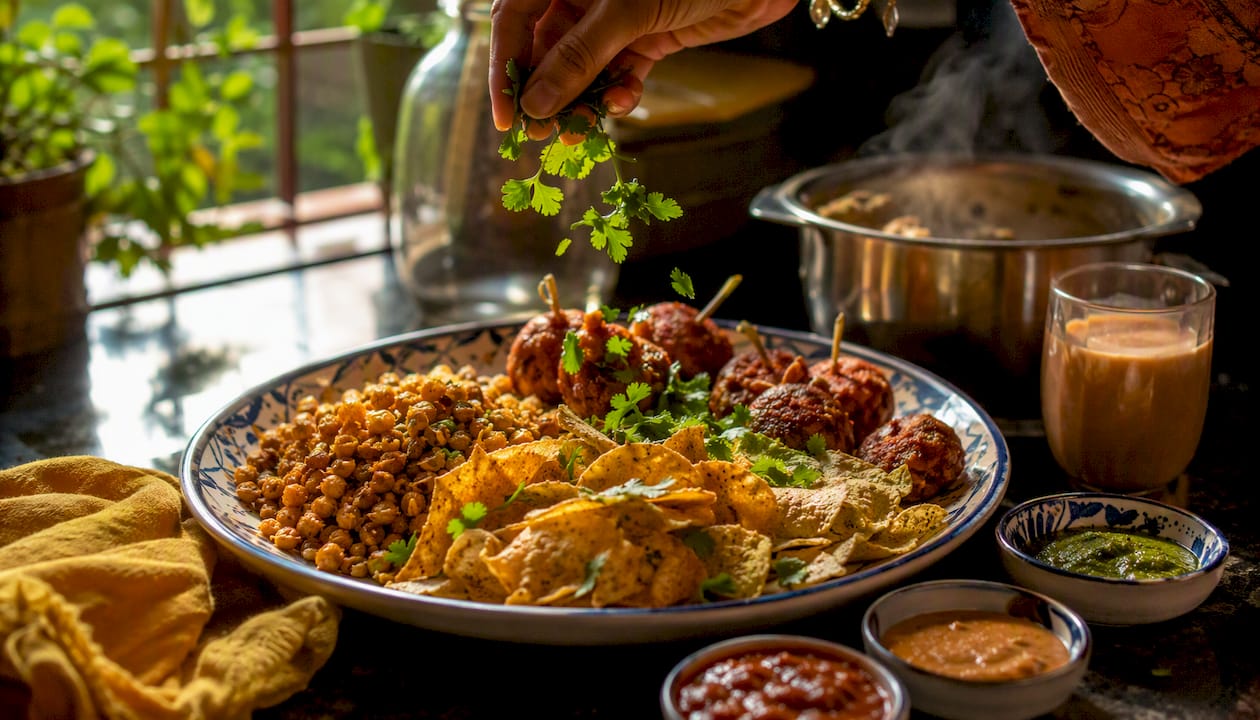
Yes, authentic gluten-free Indian snacks exist, and you don’t have to choose between tradition and dietary safety to enjoy them. Start with three easy wins: order DesiMunchiess’s Tikoni Mathi (350g) for a ready-to-eat crunch, then make roasted chana or a quick besan chilla at home while you wait for shipping. All three lean on pulses and millet instead of wheat, so you get fiber and protein along with that bold, home-style flavor we grew up on.
That combination matters more than most snack guides let on. Gram flour, roasted legumes, and millet aren’t gluten-free substitutes bolted onto Indian cooking. They’re original ingredients that predate wheat’s dominance in North Indian snacking by centuries. You’re not settling for a workaround. You’re eating snacks closer to how many of them started.
Key Takeaways
Gluten-free Indian snacking works best when you pair a trustworthy ready-to-buy product with a couple of quick homemade staples built on besan, millet, or rice.
Point | Details |
Start with a ready-made pick | Order Tikoni Mathi (350g) from DesiMunchiess for an immediate, handcrafted gluten-free option. |
Learn the safe categories | Roasted chana, millet namkeen, and besan fritters are naturally gluten-free by default. |
Check labels every time | Scan for atta, maida, semolina, and suji, and look for clear “may contain” warnings. |
Match flour to texture | Use besan for crisp fritters, rice flour for crunch, millet for nutty bakes, tapioca for chew. |
Store smart | Fried snacks last longer than baked ones; refrigerate fresh batters and eat fritters within a day or two. |
Watch for other allergens | Nuts, dairy, and sesame appear often in Indian snacks, so read past the gluten line on any label. |
Trust handcrafted brands | DesiMunchiess focuses on fresh, small-batch production and traditional recipes for authentic flavor. |
Table of Contents
Ready-to-Eat Gluten-Free Indian Snacks You Can Buy Now
If you want something in your hands today without turning on the stove, packaged options solve that problem, provided you know what to look for.
We’d point you first to DesiMunchiess, and not just because it’s our own kitchen. The Tikoni Mathi (350g) is a triangle-cut, crisp snack made in small batches with a savory, slightly tangy bite that holds up whether you’re pairing it with chai or eating it straight from the pack. It’s handcrafted rather than run through a mass-production line, which shows in the texture. No mushy centers, no stale edges.
Beyond that one product, here’s what else to look for when you’re browsing gluten-free namkeen and snack aisles, online or in a specialty Indian grocer:
Millet-based namkeen made from ragi, jowar, or bajra, which naturally skip wheat and add a nutty depth mathri made with atta never has.
Roasted chana (chickpeas), plain or spiced, a protein-dense snack that’s gluten-free by default and shows up in nearly every Indian grocery aisle.
Baked lentil crisps, often made from moong or masoor dal, a lower-oil alternative to fried namkeen mixes.
Rice-based murukku or chakli, though you’ll want to double-check the flour blend since some recipes mix in wheat for texture.
Roasted makhana (fox nuts), seasoned with spices, a crunchy, naturally gluten-free snack that’s gaining shelf space fast.
Shelf life on packaged snacks like these usually runs a few weeks to a few months unopened, depending on oil content and packaging. Fried, spiced items tend to last longer than baked ones because oil acts as a preservative, though “longer” doesn’t mean indefinite.
Pro Tip: Before you buy any packaged namkeen, flip it over and read the ingredient list, not just the front label. “Gluten-free” printed on the front means something only when the ingredient list backs it up with no wheat, semolina, or ambiguous “spice mix” fillers hiding gluten.
Which Indian Snacks Are Naturally Gluten-Free?
Not every beloved Indian snack is safe by default, and the split usually comes down to what holds the batter or coating together.
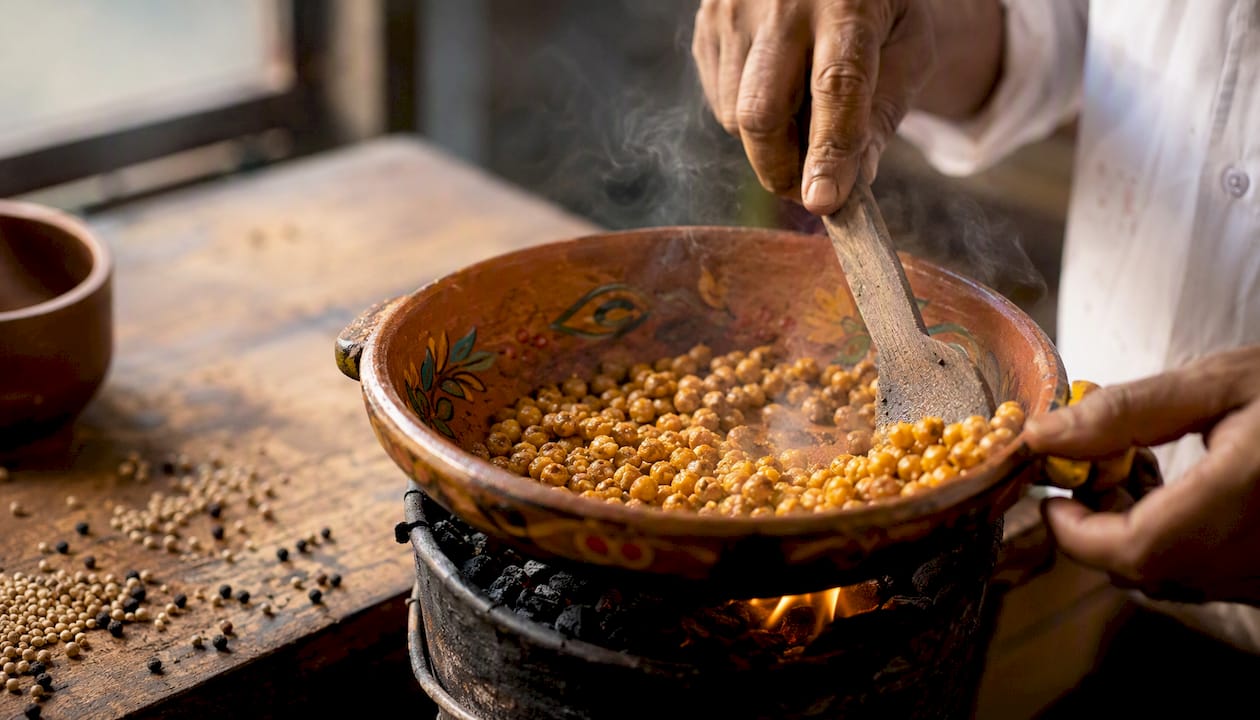
Pulse-based crisps, roasted legumes, and millet or rice namkeen tend to be gluten-free from the start, because their base ingredient never included wheat in the first place. Rice and semolina-based sweets are trickier: some recipes use rice flour throughout, while others fold in a little wheat for chew or structure. The safest approach is to treat “traditionally made with X flour” as a starting point, not a guarantee, since recipes vary by region, household, and manufacturer.
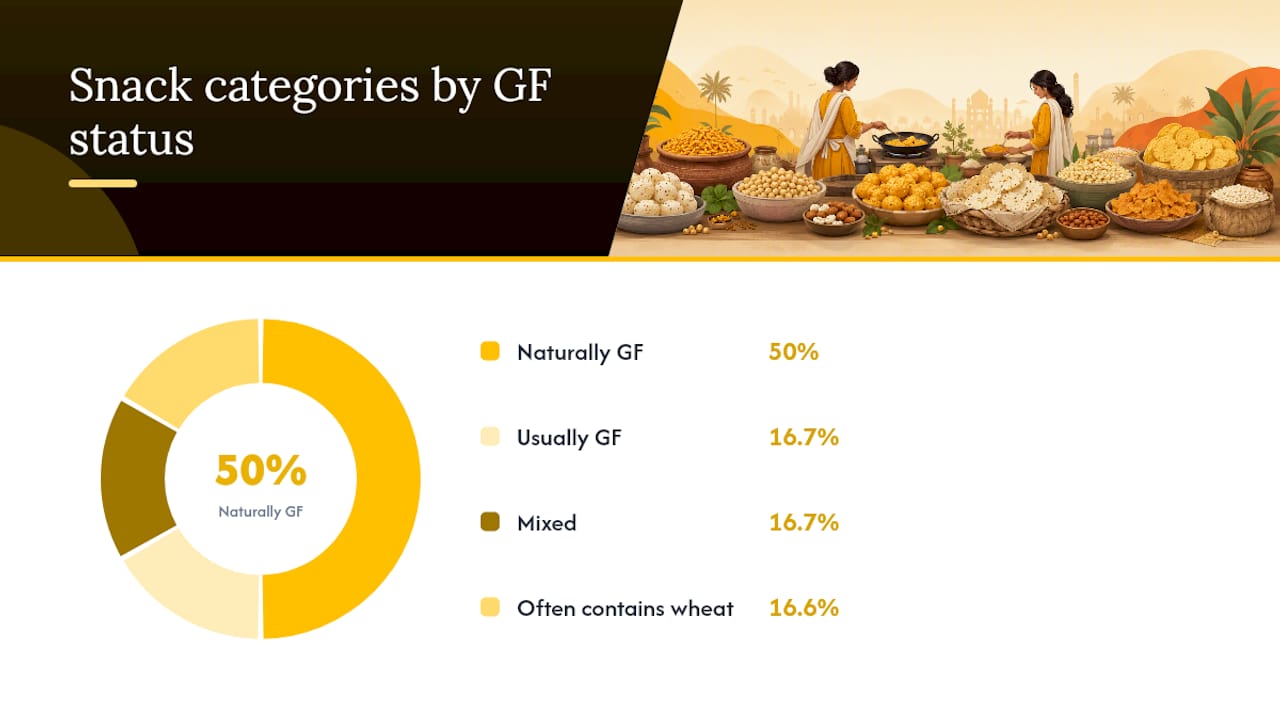
Snack Category | Typical Gluten-Free Status | What to Watch For |
Roasted chana / legumes | Naturally gluten-free | Cross-contact if roasted in shared equipment |
Millet or rice namkeen (murukku, chakli) | Usually gluten-free | Some recipes blend in wheat flour for crispness |
Besan-based fritters (pakora, chilla) | Naturally gluten-free | Fillers or blended flours in packaged besan mixes |
Mathri and similar fried snacks | Often contains wheat | Traditional Western Indian recipes use atta by default |
Rice or semolina sweets (some barfi, halwa) | Mixed | Semolina (suji/rava) is a wheat product, not gluten-free |
South Indian rice/lentil snacks (idli, dhokla base) | Naturally gluten-free | Cross-contact from shared kitchen tools |
Regional differences drive a lot of this confusion. Western Indian mathri and certain sev recipes commonly use atta because that’s the traditional base in those kitchens. South Indian snacks, by contrast, lean on rice and lentil batters that skip wheat almost entirely. If you’re chasing authenticity and safety at the same time, knowing the region a recipe comes from tells you almost as much as the ingredient label does.
Five Easy Gluten-Free Indian Snack Recipes to Try This Week
These five recipes cover different pantry bases, so whether you’ve got besan, millet flour, rice, or just a bag of chickpeas on hand, one of them works tonight.
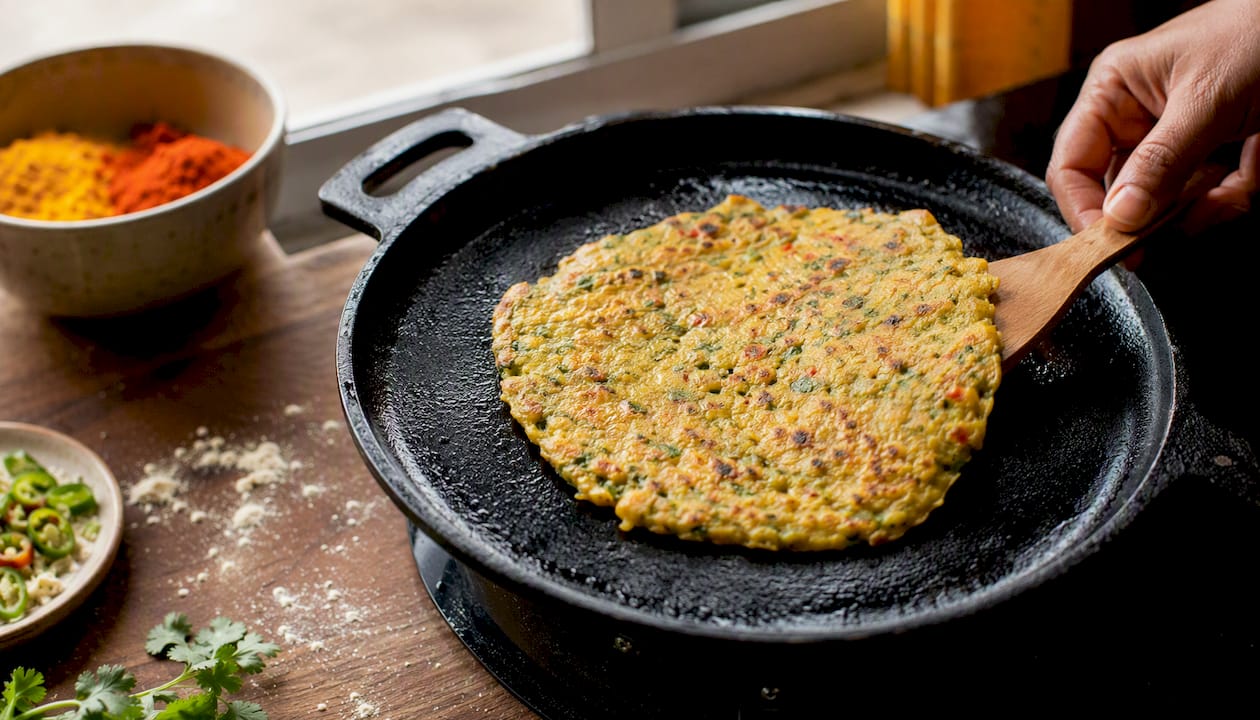
Besan Chilla (Savory Gram Flour Pancake). Origin: Northern India. Serves 2. Total time: 15 minutes. Mix 1 cup besan, ½ cup water, chopped onion, green chili, cumin seeds, and salt into a thin batter. Pour onto a hot greased pan, spread thin, cook 2 to 3 minutes per side until golden. Store leftover batter covered in the fridge for up to a day.
Ragi (Millet) Crackers. Origin: South India. Serves 4. Total time: 30 minutes. Combine 1 cup ragi flour, 2 tablespoons oil, sesame seeds, salt, and enough water to form a stiff dough. Roll thin, cut into shapes, bake at 350°F for 15 to 18 minutes until crisp. Store in an airtight container for up to two weeks.
Rice Flour Pakoda (Fritters). Origin: Pan-Indian, common in Karnataka and Tamil Nadu. Serves 3. Total time: 20 minutes. Mix 1 cup rice flour, ¼ cup besan, chopped spinach or onion, chili powder, and salt with a little water into a thick batter. Drop spoonfuls into hot oil, fry until golden, drain on paper towels. Best eaten fresh but keeps 2 days refrigerated.
Spiced Roasted Chana. Origin: North Indian street snack. Serves 4. Total time: 10 minutes (using pre-cooked chickpeas). Toss 2 cups cooked or canned chickpeas with oil, chaat masala, cumin, and a pinch of salt. Roast at 400°F for 20 minutes, shaking the pan halfway, until crisp. Store cooled in an airtight jar for up to a week.
Baked Tapioca Chips. Origin: Kerala. Serves 3. Total time: 25 minutes. Slice fresh tapioca root thin, toss with oil, turmeric, and salt, and bake at 375°F for 20 minutes, flipping once, until crisp at the edges. Eat the same day for the best crunch.
Recipe | Base Ingredient | Prep + Cook Time | Best Storage |
Besan Chilla | Gram flour | 15 minutes | Fridge, batter up to 1 day |
Ragi Crackers | Millet flour | 30 minutes | Airtight jar, 2 weeks |
Rice Flour Pakoda | Rice flour + besan | 20 minutes | Fridge, up to 2 days |
Spiced Roasted Chana | Chickpeas | 10 minutes | Airtight jar, 1 week |
Baked Tapioca Chips | Tapioca root | 25 minutes | Same-day, best fresh |
Want more variety without reinventing your grocery list? FlippinDelicious’s roundup of 27 gluten-free Indian recipes covers puri alternatives and vada, and Manjula’s Kitchen’s gluten-free category has tested vegetarian versions worth bookmarking for weekend cooking.
How Do You Swap Flours Without Losing the Texture?
Every gluten-free flour behaves differently, and matching the right one to the right snack is the difference between crisp and crumbly.
Besan works best where you need a fritter or pancake to hold together and fry up crisp, like chilla or pakoda, because it has enough natural binding power on its own. Rice flour delivers the sharpest crunch, which is why it shows up in murukku and chakli, but it can turn gummy if your batter is too wet. Millet flours like ragi and jowar bring a nutty flavor and work well in baked crackers, though they’re drier and often need a little extra oil or water to come together into a workable dough. Tapioca flour is the one to reach for when you want chew, since it behaves almost elastic when cooked, making it useful in small amounts to bind other gluten-free flours together.
As a general rule, start with slightly less liquid than a wheat-based recipe calls for and add it back gradually. Gluten-free flours absorb moisture differently than wheat does, and it’s easier to loosen a stiff dough than to rescue a batter that’s gone too thin. Home cooks who want extra binding without gluten sometimes fold in a beaten egg or a spoonful of flax mixed with water, though most traditional recipes don’t need it if you get the flour ratio right.
Pro Tip: Test your dough before committing the whole batch. Fry or bake one small piece first. If it falls apart, add a touch more besan or a splash of water and try again before shaping the rest.
How to Read Labels and Avoid Gluten Cross-Contact
Packaged snacks make life easier, but only if you know how to vet them before they land in your cart.
Start with the ingredient list, not the front-of-package claims. Words like atta, maida, semolina, suji, and rava all signal wheat, even when they’re buried in a “spice blend” or “coating mix” a few lines down. A product like the Garlic Seviyan Namkeen shows how a legitimately gluten-free namkeen lists its full ingredient breakdown clearly rather than relying on a vague label claim.
Check for a “may contain wheat” or “manufactured in a facility that also processes wheat” warning, since small-batch kitchens often share fryers and equipment across products.
Favor brands that list every ingredient by name instead of grouping spices under a generic “seasoning” line.
When in doubt, email or message the seller directly. A brand confident in its process will tell you exactly how it handles cross-contact.
Look for DesiMunchiess’s own production notes or similar transparency pages that explain how a product is actually made.
For shopping beyond a single product page, specialty retailers focused on healthy snacking, like the millet, quinoa, and lentil-based collections at SelfCare, give you a sense of the wider category. Indian grocery stores, whether local or online, remain reliable for chana, roasted lentils, and millet namkeen, though selection and gluten-free labeling vary store to store. Freshly made snacks like DesiMunchiess’s shipped products typically hold their crunch for a few weeks unopened, so factor shipping time into how soon you plan to eat them.
Can You Make Traditional Snacks Healthier Without Losing Flavor?
Pulse- and millet-based snacks already start ahead on nutrition, but a few adjustments push them further without dulling the taste you’re after.
Roasted chana and lentil crisps carry more fiber and protein than refined rice or wheat-based snacks, which means they tend to keep you fuller longer. Baking instead of frying is the most obvious swap, and it works surprisingly well for chana, tapioca, and millet crackers, since the toasty flavor those spices bring doesn’t depend on oil to come through. Baked versions of classic Indian snacks hold onto more of their original character than most people expect.
Sodium is the other lever worth pulling. Instead of dumping salt into the pan, toast your spices first, cumin, coriander, chaat masala, then add a hit of lime or amchur (dried mango powder) at the end. The acidity tricks your palate into perceiving more saltiness than is actually there, which is a trick reflected in Tarla Dalal’s low-sodium Indian recipe collection, where dishes like dhokla, poha, and millet-based snacks stay flavorful with a fraction of the usual salt. Sprouted legumes and oats, used in place of some starchier fillers, help stretch that flavor further while adding more nutrients per bite.
Pair your snack with something that slows digestion. A small bowl of roasted chana alongside plain yogurt, or millet crackers with a side of fruit, adds protein and fiber that keeps blood sugar steadier than the snack alone would. If you’re building snack routines around a busy week, protein-forward Indian snack options are worth building into your regular rotation rather than treating as an occasional treat.
Why You Can Trust These Recipes and Product Picks
We didn’t pull these recipes or product recommendations out of thin air. Every dish above draws from base ingredients, besan, millet, rice, tapioca, that have been used in Indian kitchens for generations, long before “gluten-free” was a label anyone needed.
DesiMunchiess makes its snacks handcrafted, in small batches, prioritizing fresh ingredients over long shelf-stable fillers.
Our approach favors traditional recipes passed down through home kitchens rather than mass-market shortcuts.
We ship from within the US, which keeps freshness windows shorter than snacks crossing international supply chains.
If you have questions about a specific ingredient or process, you can reach out directly rather than guessing from a label alone.
If you want a deeper look at how traditional snack-making actually works, our breakdown of eight traditional Indian snack-making techniques covers the methods behind the recipes we build our products on.
A Note on Why This Matters to Us
Gluten-free doesn’t have to mean giving up the snacks that taste like home. We grew up on mathri, chana, and namkeen made in someone’s kitchen, not a factory line, and that’s the standard we still hold ourselves to when we swap in besan, millet, or rice flour instead of wheat. Every recipe we share and every product we make traces back to a specific region’s way of doing things, because authenticity isn’t a marketing word to us. It’s the reason we started this in the first place.
Try DesiMunchiess’s Gluten-Free Snack Collection
Here’s the honest tradeoff: cooking from scratch gets you full control over every ingredient, but it costs you time you might not have on a weeknight. If you want that same traditional flavor without measuring flour or standing over a fryer, DesiMunchiess handles the handcrafted part for you, fresh, small-batch, and shipped straight to your door.
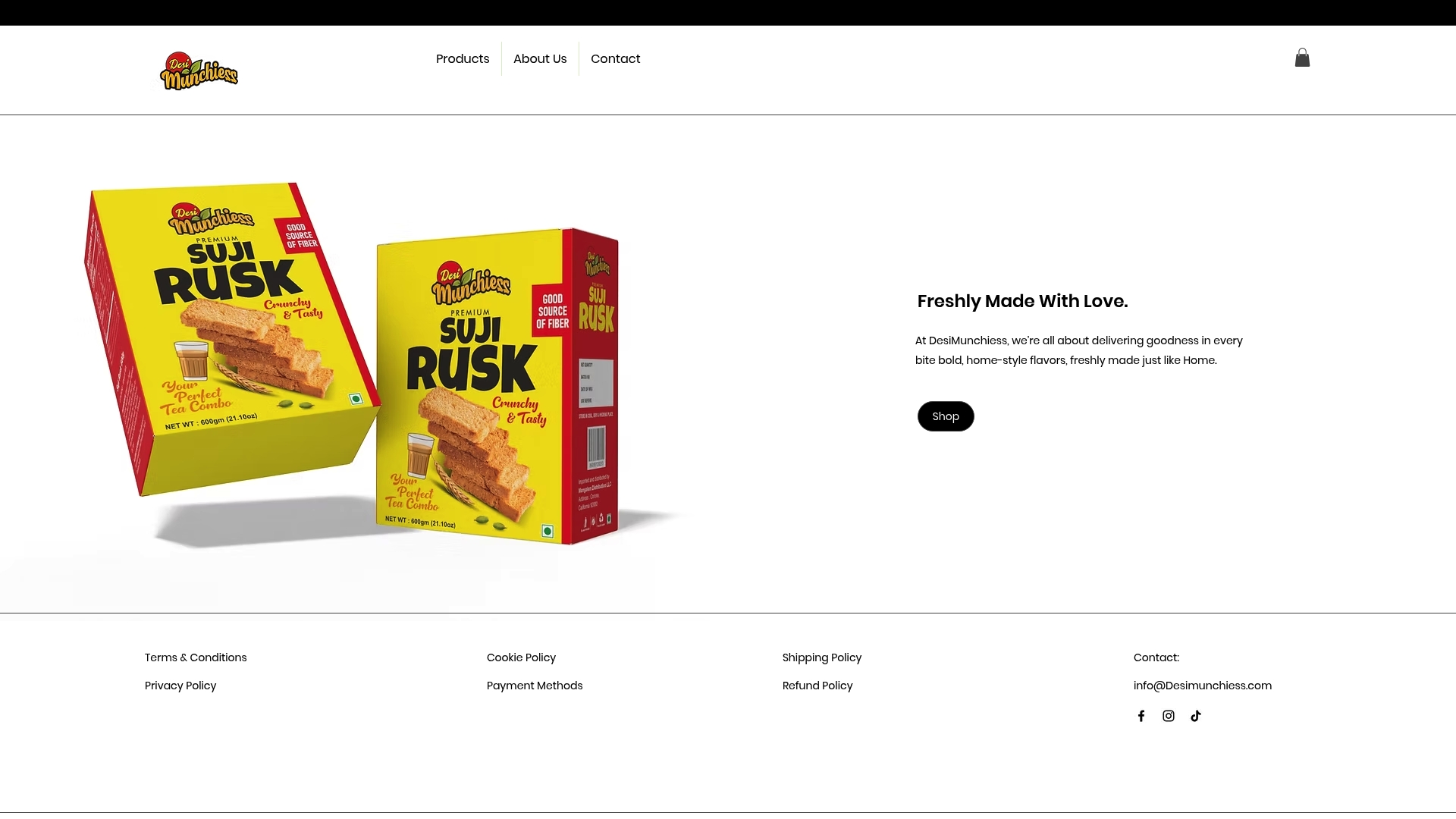
The Tikoni Mathi (350g) is a solid place to start if you haven’t tried our snacks yet, crisp, savory, and sized for sharing or stretching across a few days. Browse the full lineup at DesiMunchiess to see what else fits your pantry, and if you’re unsure about a specific ingredient or how a product is made, reach out. We’re happy to walk you through it before you order.
Frequently Asked Questions
What are gluten-free snacks in the context of Indian food? They’re snacks made without wheat, semolina, or barley-derived ingredients, relying instead on besan, rice flour, millet, or tapioca. Many traditional Indian snacks, like roasted chana or South Indian rice-based dishes, were built this way long before gluten-free labeling existed.
Are all namkeen gluten-free? No. Some namkeen mixes include wheat-based ingredients like sev made from besan blended with maida, or fried mixtures containing small amounts of wheat for texture. Always check the ingredient list rather than assuming based on the snack’s name.
What’s a quick, spicy gluten-free Indian snack I can make tonight? Spiced roasted chana takes about 10 minutes if you’re using canned or pre-cooked chickpeas, and you can adjust the chili powder and chaat masala to whatever heat level you want.
Are there vegan gluten-free Indian snack options? Yes. Roasted chana, millet crackers, tapioca chips, and most rice-based fritters are naturally vegan and gluten-free, since they skip both dairy and wheat by default. Just double-check that ghee hasn’t been substituted for oil in any packaged version.
How long do homemade gluten-free Indian snacks last? Fried items like pakoda are best eaten within a day or two refrigerated, while baked crackers and roasted chana can last one to two weeks in an airtight container. Moisture is the enemy, so always let snacks cool completely before sealing them.
Where can I buy trustworthy gluten-free Indian snacks online? DesiMunchiess is a direct option built around handcrafted, small-batch production, and specialty Indian grocers or health-focused snack retailers often carry millet and lentil-based lines as well. Always confirm gluten-free status through the ingredient list, not just the packaging claim.
Sources
Recommended
Comments