
12 Kid Friendly Indian Party Snacks That Are Safe and Make Ahead


Serve a modest selection of mild, easy Indian snacks adapted for kids, things like mini samosas, mini idli, and aloo tikki, built around small portions, low spice, and real safety steps. We put this guide together with allergen labeling and choking-risk prep front and center, plus healthy swaps that keep the flavor but ease up on oil and sugar. Shivam, who has hosted plenty of these parties, walks through the whole menu below.
TL;DR:
For children under four, quarter grapes, cut tube shaped foods lengthwise, soften hard foods, and avoid whole nuts, popcorn, hard candy, and round pieces.
Packaged foods must declare nine major allergens, but homemade dishes and loose bakery items may not; ask sellers and label each dish’s main ingredients.
Samosa and cutlet fillings can be prepared up to 24 hours ahead; baked snacks keep refrigerated for two days and regain crunch in a 350°F oven.
Offer water or plain milk; if serving juice, choose 100% fruit juice and limit portions to 8 ounces, while avoiding sugar sweetened drinks.
Table of Contents
A Shortlist of Kid-Friendly Indian Snacks for Parties
A good party menu doesn’t need many dishes; consider sensory-friendly celebrations with kids tips to keep noise and sensory input comfortable for all. A moderate number of well-chosen snacks, each easy to eat with little hands, cover every kid at the table, including the picky ones and the ones with allergies.
Here’s a lineup that works for most birthday crowds, school parties, and family get-togethers:
Mini samosas: mild potato-pea filling, baked or air-fried instead of deep-fried so little ones don’t end up with greasy fingers.
Mini idli: soft steamed rice cakes, naturally dairy-free when made without ghee, dipped in a mild coconut or tomato chutney.
Aloo tikki: pan-seared potato patties with barely any spice, shaped small enough for one bite.
Paneer fingers: lightly breaded and baked paneer strips, a protein-forward pick for kids who skip meat.
Vegetable cutlets: grated carrot, peas, and potato pressed into small patties, a good way to sneak in vegetables.
Dahi vada (mini): soft lentil dumplings in yogurt, best for parties without a dairy allergy in the group.
Masala corn cups: steamed corn with a pinch of chaat masala and lemon instead of chili powder.
Fruit chaat: chopped seasonal fruit with a light yogurt drizzle, our easy dessert-adjacent option.
Cucumber and carrot sticks with hummus or raita: the finger-vegetable option every party needs.
Nut-free chikki bites: made with roasted seeds instead of peanuts for a crunchy, allergy-conscious sweet.
Poha (mild): flattened rice tossed with turmeric, peas, and a squeeze of lime, soft enough for younger kids.
Banana or vegetable cutlet sliders: mini versions on soft bread or lettuce cups, fun for older kids to assemble themselves.
For dairy-free households, swap ghee for a neutral oil in idli and poha, and skip the yogurt dip in favor of a tamarind-date chutney. For nut-free kitchens, chikki and any chutney with cashews or peanuts are the two spots to double-check before anything goes on the table.
Start with the finger foods (samosas, tikki, cutlets) since they travel well on a buffet table.
Add one steamed or soft option (idli or dahi vada) for younger guests who can’t handle crunch yet.
Close with one fruit-based sweet so the meal doesn’t end on fried food alone.
Short Recipes and Kid-Friendly Variations
These are deliberately compact. None requires more than a handful of ingredients or more than five steps, and every one of them scales up easily for a crowd.
1. Baked mini samosas Ingredients: store-bought or homemade wheat dough, boiled potato, peas, cumin seeds, a pinch of turmeric. Method: mash potato and peas with turmeric and a light pinch of cumin, skip the chili entirely for kids. Fill small dough triangles, brush with oil, and bake at 400°F for 18 to 20 minutes. Cool 5 minutes before serving. Mild-spice note: swap green chili for a tiny squeeze of lemon.
2. Mini idli bites Ingredients: idli batter (rice and urad dal), a steamer or idli mold. Method: pour batter into greased mini molds, steam 10 to 12 minutes, cool slightly, and pop out. Serve with mild coconut chutney on the side, not mixed in, so kids control their own spice.
3. Oven aloo tikki Ingredients: boiled potato, a spoon of cornstarch, roasted cumin, salt. Method: mash potato with cornstarch and a pinch of roasted cumin, shape into small discs, brush both sides with oil, and bake at 425°F for 20 minutes, flipping once. Crisps up without a deep fryer.
4. Air-fryer paneer fingers Ingredients: paneer cut into strips, breadcrumbs, a light batter of flour and water, paprika (optional, skip for very young kids). Method: dip paneer in batter, coat in breadcrumbs, air-fry at 370°F for 10 to 12 minutes, turning halfway.

5. Vegetable cutlets Ingredients: grated carrot, boiled peas, mashed potato, breadcrumbs. Method: mix vegetables with breadcrumbs, shape into small patties, pan-sear in a thin layer of oil for 3 minutes per side.
6. Masala corn cups Ingredients: steamed corn kernels, butter or oil, chaat masala, lemon. Method: toss warm corn with a small amount of butter, a light dusting of chaat masala, and lemon juice. Serve in small paper cups for easy handling.
7. Fruit chaat with yogurt drizzle Ingredients: chopped apple, banana, pomegranate, plain yogurt, a touch of honey (skip honey for children under one). Method: toss fruit together, drizzle lightly with yogurt thinned with a splash of milk, instead of a sugar syrup, for a lighter, less-sweet finish.
8. Nut-free seed chikki Ingredients: roasted sunflower or pumpkin seeds, jaggery, a touch of ghee. Method: melt jaggery with ghee, stir in seeds, press into a thin layer on a greased tray, and cut into small squares once cool.
Baking and air-frying instead of deep-frying cuts down on oil and makes reheating straightforward, just a few minutes back in the oven or air fryer restores the crunch without a fresh batch of frying.
Pro Tip: Prep tikki and cutlet mixtures the night before and shape them cold. The texture holds better and you save your party-day energy for the fun part.
Allergens, Labeling, and Choking Safety for Kids
Party food safety comes down to two things: knowing what’s in each dish and knowing how young mouths handle different textures.
The FDA requires packaged foods to declare nine major allergens: milk, eggs, fish, crustacean shellfish, tree nuts, peanuts, wheat, soybeans, and sesame. That labeling rule covers packaged goods, not loose items from a bakery counter or homemade dishes, so when you’re buying loose snacks or baked goods, ask the seller directly about allergens before they go on your table.
A short checklist keeps this manageable:
Send a quick allergy-check message to parents before the party, ideally with your snack list attached.
Label each dish on the table with a small card naming its main ingredients, especially nuts, dairy, and gluten.
Seat younger kids where an adult can watch them eat, not just where there’s room.
Keep a basic first-aid plan and know who at the party has an EpiPen if a child carries one.
Choking risk is separate from allergy risk but just as important for kids under four. USDA guidance for reducing choking risk in young children recommends cutting grapes and cherry tomatoes into quarters, cooking hard foods until soft, and keeping strips or slices no larger than half an inch for toddlers. Caring for Our Children’s choking-prevention database adds a clear list of foods to avoid outright for this age group: whole grapes, whole nuts, popcorn, hard candy, and round pieces, plus a rule we’d flag for any Indian snack table, cut tube-shaped foods lengthwise rather than into rounds.
A number worth remembering: children under 4 face the highest choking risk of any age group, which is exactly why texture and cut size matter more than spice level when you’re planning for a mixed-age crowd.
Portion Sizes and Drinks That Keep the Party Balanced
Kids eat in smaller, more frequent bites than adults, and matching portions to age keeps plates from going to waste or triggering a sugar crash an hour in.
A rough guide by age:
Ages 1 to 3: one to two bite-sized pieces per snack, cut smaller than you’d think, and always seated with supervision.
Ages 4 to 7: two to three pieces per snack, finger foods whole but still cut to avoid round shapes.
Ages 8 to 12: regular party-size portions, closer to what you’d serve an adult, just smaller than a meal portion.
For drinks, plain water and plain or low-fat milk are the easiest safe defaults. If you’re serving juice, keep it to 100% fruit juice in portions of 8 ounces or less, and skip sugar-sweetened sodas and flavored drinks altogether, a step that lines up with pediatric guidance on reducing added sugars at celebrations.
A few presentation choices make supervising easier and cut down on cross-contact between allergens:
Plate individual portions instead of one shared serving bowl per snack.
Use small bowls or trays per table instead of one giant communal platter.
Keep a separate serving spoon for every dish, even the dry ones.
Make-Ahead Planning and Safe Swaps
A party where everything is cooked same-day is a party where the host never sits down. Spreading the work-out changes that.
Samosa and cutlet fillings hold well in the refrigerator for up to 24 hours, so mash your potato mixture the night before and shape fresh the morning of. Fried items taste best made the day of serving, but baked alternatives, like the oven tikki and air-fryer paneer fingers above, keep well refrigerated for up to two days and reheat cleanly.
For dietary swaps:
Nut-free: swap cashew or almond garnishes for roasted seeds, and double-check store-bought chutneys for hidden nuts.
Egg-free: most Indian snacks are naturally egg-free; the one spot to check is store-bought breading mixes.
Dairy-free: use oil instead of ghee, and swap yogurt-based dips for a tamarind-date chutney.
Reheating tips: an oven at 350°F for 8 to 10 minutes brings back crunch better than a microwave, which tends to turn fried snacks soft. The air fryer splits the difference, fast and still crisp, at 350°F for 4 to 5 minutes. Microwaves work fine for steamed items like idli, just add a damp paper towel over the top so they don’t dry out.
Pro Tip: Freeze shaped, uncooked cutlets and tikki on a tray before transferring to a bag. You can go straight from freezer to oven on party morning, no thawing required.
Shivam’s Hosting Hacks for a Smoother Party
After hosting enough of these parties to lose count of the trays, a few habits make the biggest difference between a relaxed host and a frazzled one.
Set a loose timing schedule: snacks out 15 minutes after guests arrive, dessert-style items an hour later, so the table doesn’t sit untouched or get picked over too fast.
Default every dish to mild and let older kids or adults add chutney or chili on the side, rather than spicing the batch itself.
Batch-cook the base components (potato filling, cutlet mix, batter) in one session rather than spreading cooking across multiple days.
Keep one tray of whatever’s most popular in reserve in the kitchen, there’s always a dish that disappears first.
For hosts who want a fuller walkthrough, our guide to hosting an Indian snack tasting party covers table layout and timing in more depth. And if scratch-cooking everything isn’t realistic for your week, our roundup of kid-friendly traditional snacks worth buying ready-made covers which categories hold up well for a party table without extra prep.
Themed Indian Snacks for Popular Party Themes
Matching snacks to a party theme is an easy way to make the table feel intentional instead of just functional.
For a superhero or sports theme, masala corn cups in small paper cones and mini samosas shaped like triangles fit the high-energy, hands-on feel. A princess or pastel-themed party pairs well with fruit chaat served in small glass cups and pale-colored paneer fingers. For an outdoor or garden party, cucumber and carrot sticks with raita, plus poha, keep things light and easy to eat standing up. A movie-night theme works nicely with masala popcorn for the adults and older kids, kept separate from any table where toddlers are eating, given the choking risk whole popcorn carries for younger children.

The common thread: pick one or two snacks to visually match the theme (color, shape, or serving vessel) rather than trying to theme the whole table, which usually means more work for the same effect.
Sourcing Authentic Ingredients Kids Can Actually Eat
Authentic flavor and kid-friendly flavor aren’t opposites, they just need a lighter hand with spice.
Look for fresh, good-quality staples first: a mild garam masala blend, roasted cumin, and fresh ginger go a long way without the heat of chili powder. Indian grocery stores typically carry smaller, milder spice blends labeled for home cooking, and asking directly for “mild” or “no chili” versions of a packaged spice mix is a normal, welcomed request. For dairy, plain paneer and plain yogurt give you control over sweetness and salt that flavored versions don’t. When buying pre-made snacks instead of cooking from scratch, check labels for the nine major allergens the FDA requires manufacturers to declare, and favor brands that list ingredients in plain language rather than long, unfamiliar additive names.
Mixing in Snacks from Different Indian Regions
A one-region menu works fine, but pulling in a few dishes from different parts of India give a party more texture without more spice.
South Indian idli and a mild coconut chutney pair naturally with North Indian aloo tikki and samosas. Western Indian poha brings a light, turmeric-forward option that’s gentle on young palates. Eastern Indian-style sweets, often less heavy on ghee than their northern counterparts, make a good base for a lighter dessert table. None of this requires expert-level cooking, just picking one dish per region and keeping the spice adjustments consistent across all of them so the table feels cohesive rather than like four separate menus stitched together.
Our Honest Take on Kid-Friendly Indian Party Food
The biggest mistake we see hosts make isn’t spice level, it’s variety for its own sake. A table with fifteen different snacks spreads attention thin and multiplies the allergen and choking-risk checks a host has to run. Eight to twelve well-chosen dishes, each one actually kid-tested for texture and heat, beats a sprawling buffet every time.
Conventional party advice tends to treat “kid-friendly” as a single flavor dial, just turn down the spice. That misses the bigger variable: texture and cut size matter as much as chili content, especially for kids under four. If we had to prioritize one thing for a host short on time, it’s the cutting board, not the spice jar. Get the shapes and sizes right first, then worry about flavor.
— Shivam
Let DesiMunchiess Handle the Snacks You Don’t Have Time to Make
Not every party needs a from-scratch kitchen marathon. We offer snacks and sweets made using traditional recipes, so when your week doesn’t leave room for shaping forty tikki by hand, you still get a table that tastes homemade.
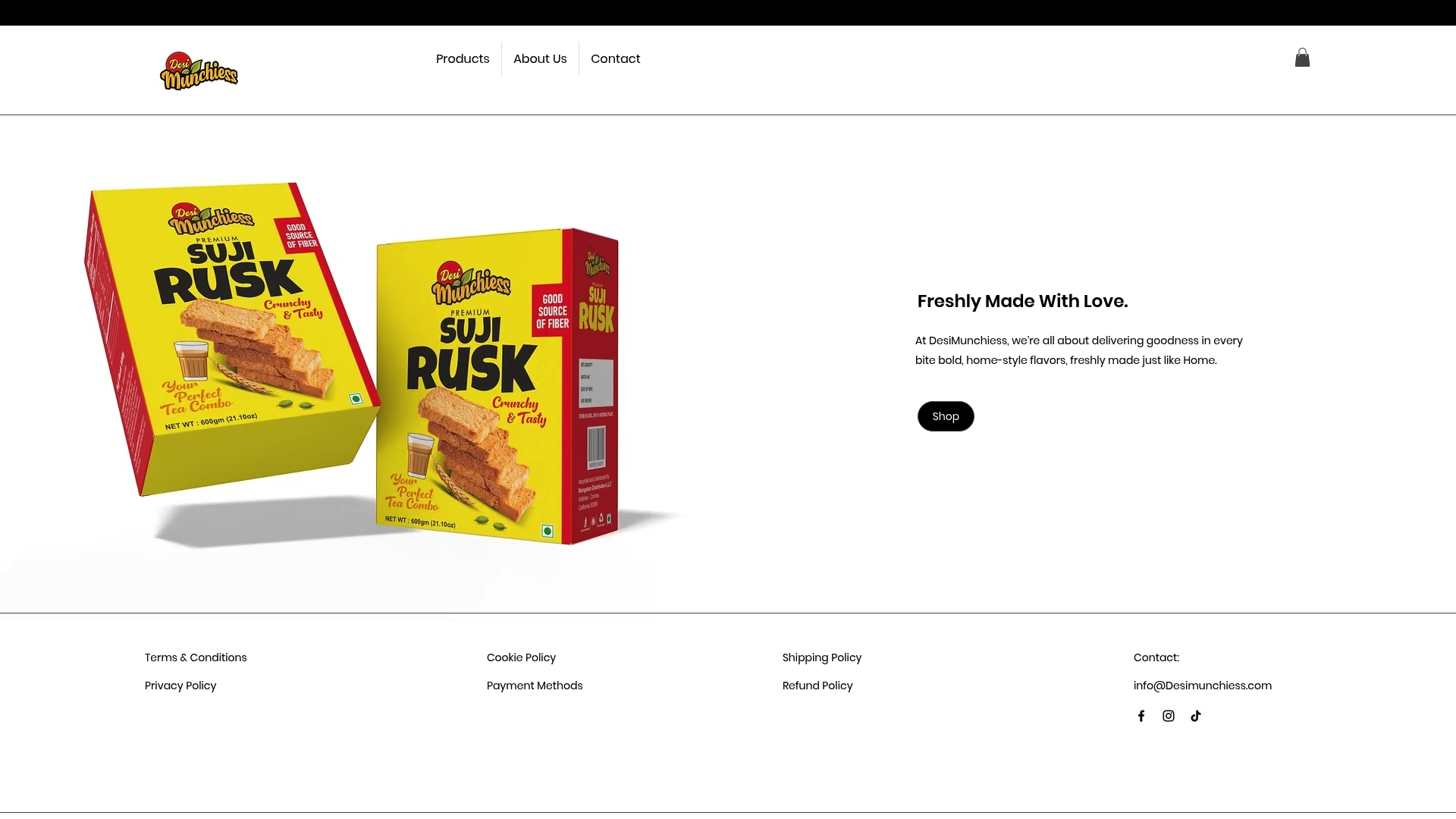
A few ways our offerings fit a kids’ party table:
Snack and sweet options sized for sharing without the deep-fry cleanup.
Candy options, including flavors like orange, mint, and mixed fruit, work well as a lighter sweet table alongside your fresh dishes.
Pickle and muraba selections suit the adults at the table who want something with more punch than the kids’ spread.
Browse our full all-products page to build out a platter, or start with something simple like our Atta Biscuits for a familiar, easy-to-serve addition to any snack table.
FAQ
What are some good Indian food ideas for a birthday party?
Mini samosas, aloo tikki, mini idli, and fruit chaat cover most kid preferences without heavy spice. Pairing one fried item, one steamed item, and one fruit-based sweet keeps the table balanced and easy to supervise.
What is a popular Indian food for kids?
Aloo tikki and mini samosas are consistently popular because they’re mild, handheld, and easy to eat without utensils. Both adapt well to baking or air-frying for a lighter version.
What snacks to serve at a kids birthday party?
A moderate variety of small dishes works best: a couple of fried or baked finger foods, one steamed option like idli, a vegetable side, and a fruit-based sweet. Always check for major allergens like milk, eggs, and tree nuts before finalizing the menu.
What are some easy snacks I can serve at an Indian party?
Masala corn cups, vegetable cutlets, and fruit chaat all come together with minimal cooking steps and no deep frying required. For a no-cook option, cucumber and carrot sticks with a yogurt-based dip round out the table quickly.
What makes a snack safe for toddlers at a party?
Cut round foods like grapes into quarters, slice tube-shaped foods lengthwise, and avoid whole nuts or hard candy for children under four. These steps follow USDA and CACFP choking-prevention guidance for young children.
Sources
Recommended
Comments