
One Dill Pickle = Nearly 50% of Daily Sodium for the Health Conscious

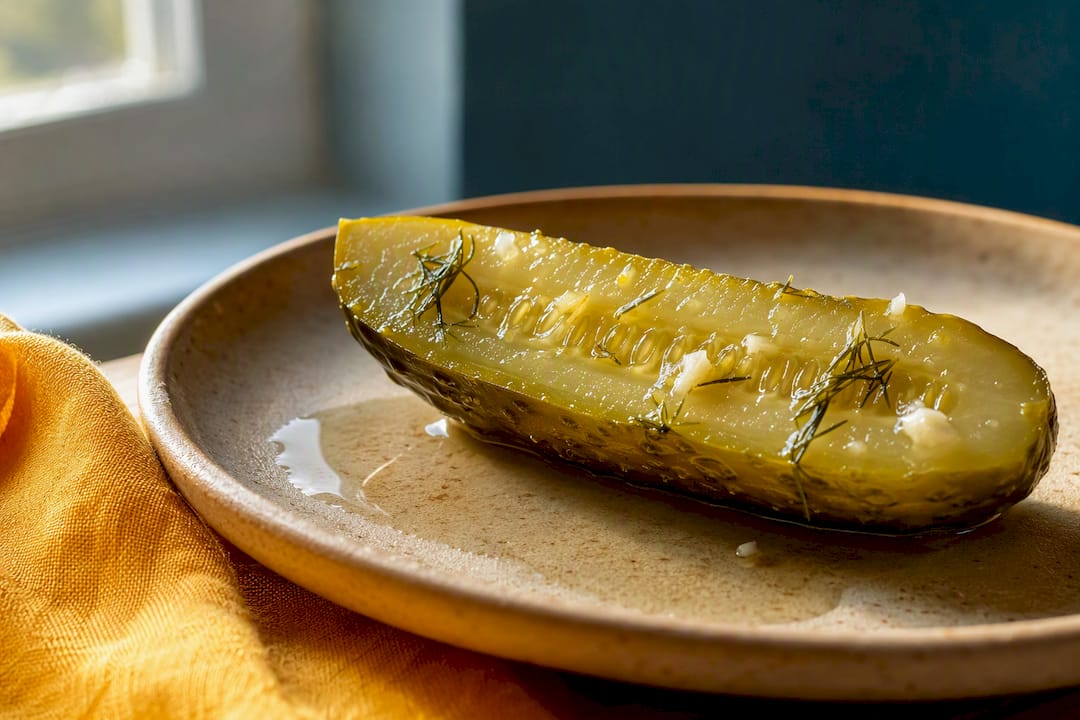
A single large dill pickle can carry 700 to 1,100 milligrams of sodium, which is up to nearly half of the 2,300 milligram daily limit most healthy adults should aim for. That’s why we say it straight at DesiMunchiess: pickles are a sodium-heavy food. If you have high blood pressure or kidney concerns, one spear can take up a big chunk of your day’s budget.
TL;DR:
A large dill pickle can contain 700 to 1,100 milligrams of sodium, nearing half the recommended 2,300 milligram daily limit for healthy adults.
Pickles’ sodium levels vary greatly depending on size, type, and preparation method, with fermented pickles requiring precise salt ratios for safety.
For those watching sodium intake, it is best to choose pickles with 5% DV or less per serving and control portion sizes to avoid excessive consumption.
Rinsing store-bought pickles reduces surface salt but does not remove sodium absorbed during brining, so portion control remains essential.
Excess sodium from pickles can cause water retention, bloating, headaches, and elevated blood pressure, especially with frequent consumption over time.
Table of Contents
How Much Sodium Is in a Pickle, Exactly?
The number swings hard depending on size, type, and how the pickle was made. That’s the part most snack labels don’t explain well, so let’s break it down by the numbers you’ll actually see at the store or in your own kitchen.
Dill pickles run saltier than sweet ones. A 100 gram serving of dill pickles can land anywhere from 700 to over 800 milligrams of sodium, while sweet pickles typically sit closer to 400 to 500 milligrams per 100 grams. Fermented pickles fall somewhere in between depending on the brine recipe, since the salt there is doing double duty as both preservative and flavor.

Exact figures vary by brand, and USDA FoodData Central is the most reliable place to check a specific product’s listed value, since store brands and homemade batches all differ.
Here’s the quick math that matters most:
One large dill pickle can hit 700–1,100 mg sodium on its own, which is a big bite out of a 2,300 mg daily target.
Sweet pickles are consistently the lower-sodium choice among the common types, though they trade some of that savings for added sugar.
A 1 ounce serving of dill pickles can deliver a significant amount of sodium, which matters if you’re eating multiple spears.
Percent Daily Value (%DV) on the label helps with comparison.
Why Sodium in Pickles Actually Matters for Your Health
Excess sodium is one of the clearest, most studied dietary contributors to high blood pressure. High blood pressure is a direct driver of heart disease, stroke, and kidney strain. That’s not a maybe. It’s the reason nutrition guidelines keep circling back to sodium as the number one thing to watch on a label.
Pickles aren’t the only culprit, but they’re a sneaky one because they feel like a “light” snack. A jar sitting in the fridge doesn’t scream “salt bomb” the way a bag of chips does, yet spear for spear it can pack similar sodium weight. Chronic diets heavy in salty pickled foods have also been linked in health reviews to elevated stomach cancer risk, which is worth knowing if pickled vegetables are a daily habit rather than an occasional side.
Pickle juice itself is not a hydration shortcut. It’s concentrated brine, and drinking it can push sodium intake even higher, creating real risk for anyone managing blood pressure or ulcers.
A few groups should be extra careful with how often pickles show up on the plate:
People with hypertension — sodium directly raises blood pressure, and pickles are an easy place to lose track of intake.
Anyone with kidney disease — kidneys already struggle to clear excess sodium, so high-sodium snacks add unnecessary load.
Older adults — blood pressure sensitivity to sodium tends to increase with age, even without a formal diagnosis.
Pregnant women — swelling and blood pressure changes during pregnancy make sodium moderation worth watching closely.
What Actually Changes the Salt Level in a Jar
Fermented pickles and quick vinegar pickles use salt for completely different jobs, and that’s the root of most sodium confusion. In true lacto-fermentation, salt isn’t just seasoning. It’s the gatekeeper that lets beneficial Lactobacillus bacteria thrive while blocking spoilage organisms, which is why tested recipes call for a specific 2 to 3.5% salt-by-weight brine. Drop below that range and you’re not making a healthier pickle. You’re making an unsafe one.
Quick pickles made with straight vinegar have more wiggle room, since the acid itself handles preservation and the salt is mostly there for flavor. That’s why quick-pickle recipes are the safer place to experiment with less sodium.
A few things worth knowing before you touch a home batch:
Salt type changes the math. Table salt, kosher salt, and flake sea salt all measure differently by volume even at the same weight.
Rinsing a store-bought pickle knocks off surface salt but doesn’t touch the sodium that’s already soaked into the flesh during brining.
Never cut salt in a fermentation recipe without following tested extension guidance, since the wrong ratio invites spoilage, not just a blander pickle.
Pro Tip: Always measure pickling salt by weight on a kitchen scale, not by the cup. A cup of fine salt and a cup of flake salt can differ by a third in actual sodium, and that gap can throw off both flavor and food safety.
How to Cut Sodium Without Giving Up Your Pickle Habit
You don’t have to quit pickles cold turkey. You just need a system for choosing and portioning them smarter.
Check the serving size first. Labels often list sodium per single spear, not per jar, so confirm what “one serving” actually means before you compare products.
Scan the %DV column. Aim for pickles at 5% DV or under when you can find them, and treat anything above 20% DV as an occasional item, not a daily one.
Control your portion. Stick to one to two small spears rather than a whole jar-sized pickle if you’re watching sodium closely.
Pair smart. Balance a salty pickle with low-sodium sides like fresh cucumber or plain rice instead of stacking it next to another salty snack.
Make your own with tested recipes. Reduced-sodium fresh-pack vinegar recipes let you dial back salt safely, but leave fermentation ratios alone unless the recipe is specifically tested for it.
Don’t rely on rinsing. It helps a little at the surface, but it won’t meaningfully undo sodium that’s already absorbed.
If you want a real shopping shortcut, our friends at Yakonow break down how to read a nutrition label the right way, and you can apply the %DV logic to picking lower-sodium options.
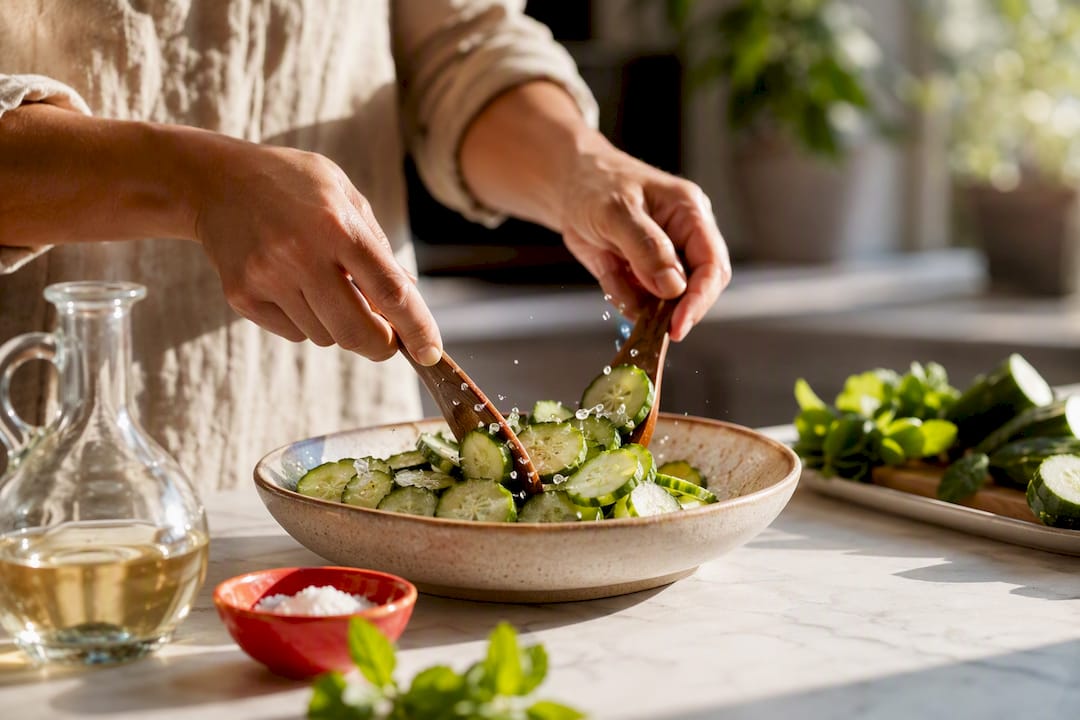
Pro Tip: Craving the crunch without the sodium spike? Try a fresh cucumber tossed in a splash of vinegar and a pinch of salt. You get the tang, a fraction of the sodium, and it’s ready in ten minutes.
A Note From Our Kitchen at DesiMunchiess
We make pickles the way our families always have, with real ingredients and no shortcuts. That means we take sodium seriously too, because you deserve to know exactly what’s going into every bite.
If you’re craving the fermented route for its probiotic upside, our guide on fermented Indian pickles and homemade achar walks through how brine and salt work together. Looking for lower-sodium snack swaps beyond pickles? Our piece on choosing low sodium savory snacks covers that ground too.
A few things we always encourage:
Check the ingredient list on any jar, ours included, before you buy.
Reach out if you have questions about a specific product’s sodium numbers.
Treat pickles as a flavor boost, not a base food, if sodium is a concern for you.
What Too Much Sodium From Pickles Feels Like
Sodium overload doesn’t usually announce itself with a dramatic symptom. It shows up as puffiness, especially around the fingers, ankles, or face, the morning after a salty meal. That bloated, tight feeling in your rings or shoes isn’t your imagination. It’s water retention doing exactly what sodium tells it to do.
Other signs are easier to miss. A nagging headache after a jar-heavy lunch, unusual thirst that won’t quit no matter how much water you drink, or a blood pressure reading that’s crept up compared to your usual baseline. If you check your own blood pressure at home, a spike after a pickle-heavy meal is worth logging rather than dismissing.
Frequent excessive intake over months and years is the bigger concern, since that’s when sustained high blood pressure and added strain on the kidneys and heart start to build. A single salty snack won’t hurt you. A daily habit of multiple large dill spears alongside an already salty diet is where the numbers stack up fast, especially if you’re not tracking sodium from other sources like bread, sauces, and processed meats.
If you notice consistent swelling, frequent headaches tied to salty meals, or blood pressure creeping upward, that’s a signal to look at your overall sodium intake, pickles included, and talk to a doctor if the pattern continues.
Our Take: What the Numbers Actually Tell You
The conventional advice on pickles and sodium tends to stop at “eat less,” which isn’t wrong, but it’s not useful either. What the numbers actually show is that type matters more than most people assume. A sweet pickle and a large dill spear aren’t remotely equivalent, and treating them the same on a grocery list means you’re either overcorrecting on the wrong item or underestimating the one that actually matters.
The bigger gap in most advice is the home-pickling myth that you can just “use less salt” for a healthier batch. That works for quick vinegar pickles. It does not work for true fermentation, where the salt ratio is a safety line, not a flavor dial. If health-conscious eaters take one thing from this article, it should be that: check the %DV before you buy, and if you’re making pickles at home, follow a tested recipe instead of guessing.
Prioritize the label first, the portion second, and the recipe method last. That order actually reflects where most people go wrong.
— Shivam
Craving Real Flavor Without the Guesswork of Store Labels?
Some brands offer pickles made fresh, in small batches, with simple ingredients and recipes that aim to avoid mass production dilution.
If sodium numbers matter to you, that transparency matters even more. You can check exactly what’s in our mixed pickle before it ever reaches your cart, and if you have a question about a specific jar’s sodium content, we’re genuinely happy to answer it. Our pickles are built on family recipes passed down with care, not formulas built for a factory line. If you’ve been eating jars with no idea what’s really inside, it’s worth trying one where the answer is one email away. Head to Desimunchiess to see the full lineup and find the jar that fits your table.
This article is general information, not a substitute for advice from a qualified doctor. Consult a qualified healthcare professional about your own circumstances before acting on anything here.
Sources
Recommended
Comments