
Are Indian Pickles Healthy? Benefits, Risks, and Tips

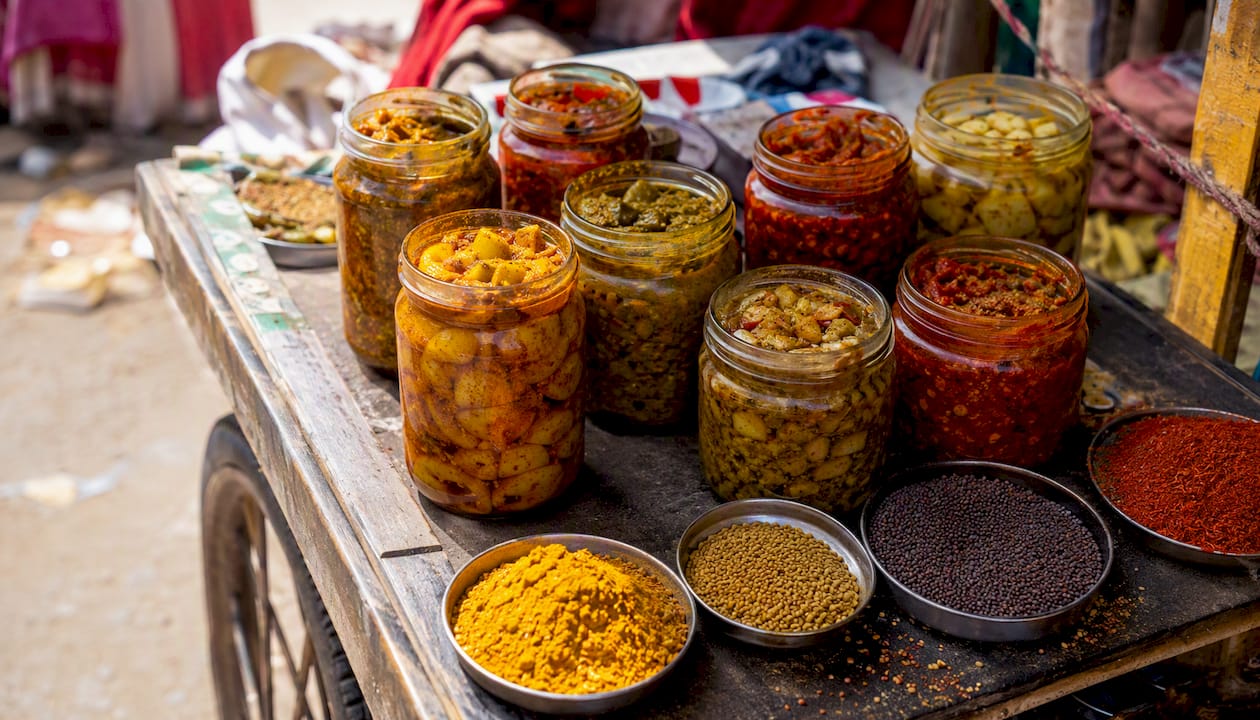
Indian pickles, known as achar, can absolutely be part of a healthy diet — but the answer depends heavily on how they’re made. Traditionally fermented varieties can deliver beneficial probiotic bacteria and antioxidant-rich spices. Many commercial or heavily oiled versions, though, carry high sodium and calorie loads that add up fast.
Here’s the quick picture:
Fermented pickles: Potential probiotic and digestive benefits, antioxidants from turmeric, mustard, and fenugreek
Oil-heavy or high-salt pickles: Can contribute excess sodium (often 200–300 mg per tablespoon) and hidden calories
Best practice: Choose naturally fermented or low-sodium options and keep portions to 1–2 teaspoons per meal
Pro Tip: Treat achar like a condiment, not a side dish. One teaspoon alongside a meal gives you flavor and potential benefits without the sodium overload.
Key Takeaways
Fermented Indian pickles can be a genuinely healthy condiment when you choose the right type, watch your portions, and store them safely.
Point | Details |
Fermented beats preserved | Lacto-fermented pickles contain live cultures; vinegar or oil-only versions typically do not. |
Sodium adds up fast | One tablespoon can carry 200–300 mg sodium; keep daily portions to 1–2 teaspoons. |
Who should limit intake | People with hypertension, kidney disease, or GI conditions should consult a clinician first. |
Safe storage is non-negotiable | Refrigerate after opening; discard any jar with a bulging lid or off odor. |
Desimunchiess option | Amla and Lime Pickle from Desimunchiess use cold-pressed oils and whole spices with no artificial preservatives. |
This article is general information, not a substitute for advice from a qualified doctor. Consult a qualified healthcare professional about your own circumstances before acting on anything here.
Table of Contents
What types of Indian pickles are there, and how are they made?
Not all achar is created equal. The production method determines almost everything about its nutritional profile — whether it contains live cultures, how much oil or salt it carries, and how long it stays safe at room temperature.
There are three practical categories worth knowing:
Lacto-fermented pickles rely on naturally occurring bacteria (primarily Lactobacillus species) to convert sugars into lactic acid. No vinegar is added. The acidic environment preserves the food and, crucially, leaves live microbial cultures intact. These are the pickles most likely to offer probiotic benefits.
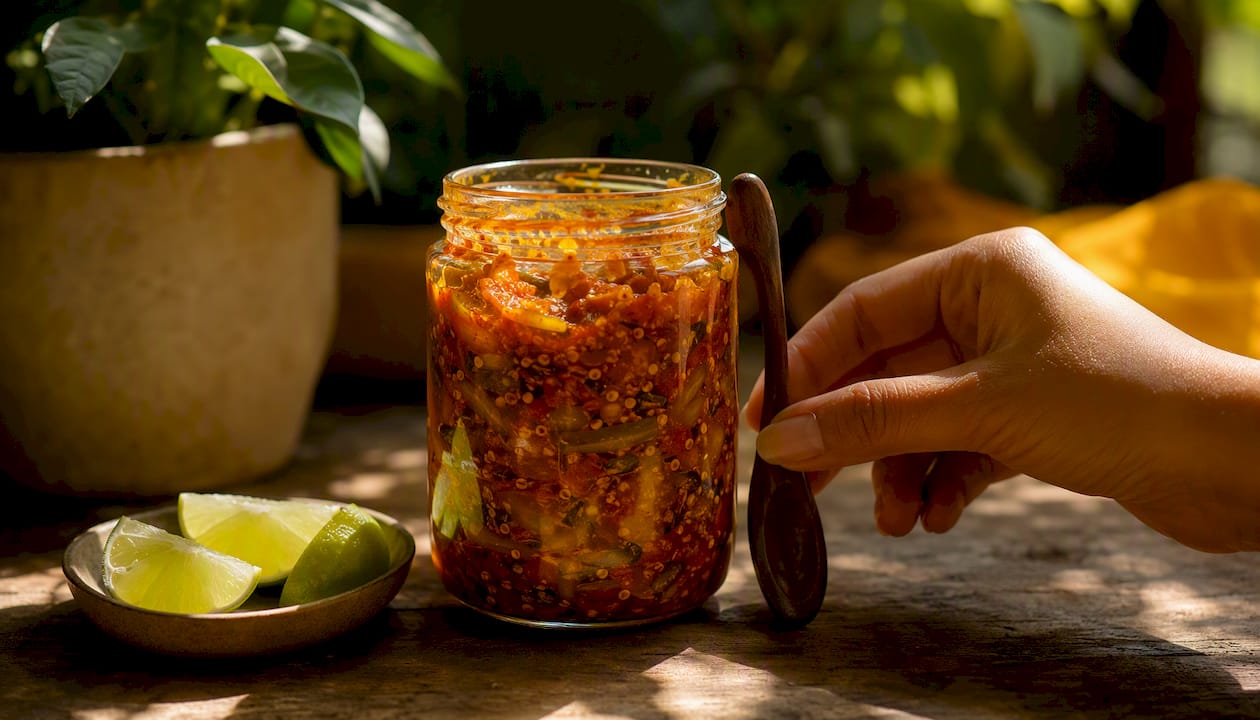
Vinegar-based pickles use acetic acid as the preservative. The acidic pH prevents spoilage effectively, but the process typically kills off live cultures. You get the tang and some spice benefits, but not the probiotic activity.
Oil and salt-preserved pickles are the most traditional style across much of India. Produce is sun-cured, heavily salted, and packed in oil — often mustard oil — which acts as a barrier against air and microbes. These can be shelf-stable for months but tend to be the highest in calories and sodium. Fermentation may or may not occur depending on the recipe and conditions.
Regional tendencies are real, though no jar is guaranteed to follow them. Andhra-style pickles often lean on fermentation and bold spice blends with less added vinegar. Many Punjabi-style pickles are oil-forward, packed in generous amounts of mustard oil with whole spices. That said, commercial production varies widely regardless of regional labeling.
Method | Probiotic presence | Typical oil level | Typical salt level | Shelf stability |
Lacto-fermented | Yes (live cultures) | Low to moderate | Moderate | Refrigeration preferred |
Vinegar-based | No (cultures killed) | Low | Moderate | Room temp (sealed) |
Oil/salt-preserved | Possibly, if fermented | High | High | Room temp (sealed) |
Only certain pickling methods reliably produce live probiotics. Oil-preserved pickles may lack live cultures entirely if no fermentation step occurred, which is a point worth checking before assuming any jar of achar delivers gut benefits.
Pro Tip: At the store, look for “naturally fermented” on the label and scan the ingredient list. If vinegar appears early or the label lists sodium benzoate or potassium sorbate, the jar likely contains no live cultures.
What are the evidence-backed health benefits of Indian pickles?
Traditionally fermented achar can genuinely support gut health. The fermentation process creates microbial communities dominated by lactic acid bacteria, which survive into the finished product and may colonize the gut temporarily, supporting microbiome diversity.
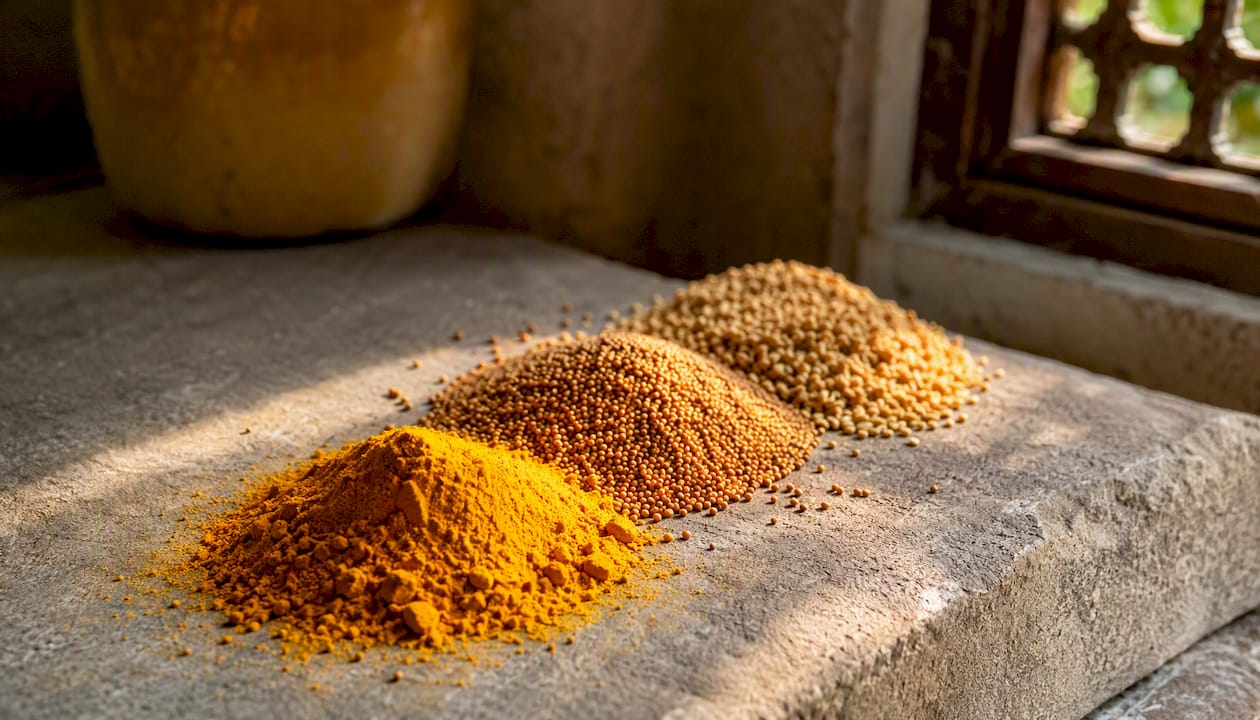
The spice base matters too. Turmeric, mustard seeds, and fenugreek — staples in most Indian pickle recipes — are rich in antioxidants and flavonoids. Curcumin in turmeric has been studied extensively for anti-inflammatory properties, and mustard seeds contribute selenium and omega-3 fatty acids in small amounts.
The probiotic potential has laboratory-level support. An in vitro study isolated probiotic strains from Indian tomato pickle and found they could downregulate the proinflammatory markers TNF-α and IL-6 by up to eightfold. That’s a striking result — but it’s an in vitro finding, meaning it was observed in a lab setting, not in human clinical trials. Treat it as promising early evidence, not a proven therapeutic claim.
Beyond probiotics, the vegetable or fruit base adds modest micronutrients. Mango pickle contributes beta-carotene (a vitamin A precursor). Lime and amla (gooseberry) pickles provide vitamin C. Even the brine carries some of these water-soluble nutrients.
For non-fermented varieties, the spices still aid digestion. Fenugreek seeds have been linked to improved gastric motility, and black pepper enhances the bioavailability of other nutrients. These benefits don’t require live cultures — they come from the spice mix itself.
What are the health risks, and who should be cautious?
High sodium and excess oil are the two main concerns with most commercial and many homemade Indian pickles. One tablespoon of achar commonly contains 25–30 calories and 200–300 mg of sodium. That sounds manageable — until you consider that most people eat two to four tablespoons at a sitting, which can push sodium intake to 600–1,200 mg from a single condiment.
The FDA’s daily sodium recommendation for most adults is under 2,300 mg. A few generous spoonfuls of achar can consume a significant portion of that budget before the rest of the meal is counted.
Who should be especially careful:
People with hypertension: Ms. Sweedal Trinidade of PD Hinduja Hospital cautions that high salt content can offset any health benefits for those with sodium restrictions
People with kidney disease: Reduced kidney function limits the body’s ability to excrete sodium, making high-salt foods particularly risky
Infants and young children: Their kidneys cannot handle high sodium loads, and pickles should not be given to children under two
People with active GI conditions: Highly acidic or spicy pickles can aggravate acid reflux, gastritis, or irritable bowel syndrome in some people
Anyone on a sodium-restricted diet: Check with your clinician before adding achar regularly
The calorie load from oil is a secondary concern. Some oil-packed pickles contain enough fat per serving to add meaningful calories, particularly for people managing weight. The type of oil matters too — cold-pressed mustard oil carries more nutritional value than refined vegetable oils, but the calorie count is similar.
If you have a chronic condition, follow your clinician’s guidance on sodium and fermented foods before adding pickles to your regular diet.
Food safety and storage guidance for U.S. consumers
Safe handling of Indian pickles in the U.S. comes down to one core principle: know how the jar was processed and store it accordingly. Store-bought, shelf-stable jars from established producers are generally safe when sealed, but home-canned or artisan-made pickles require more attention.
Safe handling checklist:
Check the label for acidity or fermentation method (“naturally fermented,” “vinegar-based,” or pH below 4.6 for shelf stability)
Refrigerate immediately after opening, regardless of the preservation method
Discard any jar with a bulging lid, cloudy brine with off-odors, or foam that wasn’t there when you opened it
Use clean, dry utensils every time — moisture introduced into the jar accelerates spoilage
For home-canned pickles, follow USDA and FDA home-canning guidelines, which specify safe acidification levels and processing times
The most serious risk with improperly processed pickles is Clostridium botulinum. This bacterium thrives in low-acid, anaerobic environments — exactly the conditions inside an oil-packed jar that wasn’t properly acidified or heat-processed. Fermentation and food-safety literature makes clear that safe acidification is non-negotiable for shelf-stable products. If you’re making oil-preserved pickles at home, either acidify the brine to a pH below 4.6 or store the finished product in the refrigerator and consume within a few weeks.
The USDA’s National Center for Home Food Preservation and the FDA’s food-safety resources are the authoritative references for U.S. home canners. Both publish tested recipes and processing times specifically for pickled products.
Pro Tip: When in doubt about a home-canned jar — especially an oil-packed one — throw it out. Botulism toxin is odorless and tasteless, and the risk is not worth it.
How to choose or make healthier Indian pickles
The single most useful shift you can make is prioritizing naturally fermented or low-salt options, whether you’re buying or making your own. Traditionally made pickles using cold-pressed oils and measured salt consistently outperform mass-produced varieties on both nutritional quality and additive load.
When shopping, look for:
“Naturally fermented” or “live cultures” on the label
Sodium under 150 mg per teaspoon serving (not per tablespoon)
Cold-pressed mustard oil or olive oil rather than refined vegetable oil
Short ingredient lists with no sodium benzoate, potassium sorbate, or artificial colors
No added sugar (common in some commercial mango pickles)
For a safer, lower-salt DIY ferment, follow these steps:
Choose fresh, firm produce — raw mango, lime, green chili, or amla work well
Measure salt by weight, not volume: a 2–3% salt-to-produce ratio by weight is the standard for safe lacto-fermentation
Pack tightly into a clean glass jar, pressing produce below the brine line to keep it anaerobic
Ferment at room temperature for 3–7 days, tasting daily, then transfer to the refrigerator
If you prefer an oil-based pickle, add cold-pressed mustard oil after fermentation is complete rather than during, to preserve live cultures and reduce the oil absorbed
Portion guidance: A typical serving is 1–2 teaspoons per meal. One tablespoon occasionally is fine for most healthy adults. Account for the sodium in your daily total — if you’re eating a high-sodium meal, skip the pickle that day.
Pro Tip: Drain excess oil from the jar before serving and use a small tasting spoon rather than a regular tablespoon. Pairing achar with high-fiber foods like whole-grain roti or raw vegetables slows sodium absorption and adds satiety.
Choosing homemade over packaged snacks generally gives you more control over salt and oil levels — the same principle applies directly to pickles.
Quick dos and don’ts for everyday pickle eating
Keep these rules handy. They’re simple, and they make a real difference.
Do:
Choose fermented pickles when you can find them
Read the sodium per serving before buying — not just the ingredient list
Refrigerate after opening, every time
Use a teaspoon, not a serving spoon
Pair achar with fiber-rich foods to balance the meal
Don’t:
Eat multiple tablespoons daily if you’re watching sodium
Give pickles to infants or toddlers
Assume “traditional” or “homemade” automatically means low-sodium
Ignore a bulging lid or off smell — discard the jar
Use wet utensils in the jar
Pro Tip: Keep your pickle jar near the back of the fridge, not the door. Temperature fluctuations at the door accelerate spoilage in fermented products.
Our perspective on what actually matters with Indian pickles
The conversation around achar and health tends to go one of two ways: either it’s dismissed as too salty to be worth eating, or it’s celebrated as a probiotic superfood. Both framings miss the point.
The real variable is production method and portion size, not the pickle itself. A teaspoon of well-made, naturally fermented mango or lime pickle alongside a balanced meal is genuinely useful — it delivers spice-derived antioxidants, a small probiotic contribution, and the kind of bold flavor that makes eating vegetables more enjoyable. That last point is underrated. If a small amount of achar makes you eat more vegetables and whole grains, the net health effect is positive even before you count the probiotics.
Where people go wrong is treating achar as a side dish rather than a condiment. Two or three tablespoons of an oil-heavy commercial pickle at every meal is a different nutritional story entirely. The sodium alone can crowd out other dietary choices.
We also think the obsession with probiotic content misses a simpler truth: the spice base in a good Indian pickle is nutritionally meaningful on its own. Turmeric, fenugreek, and mustard seeds are not garnishes. They’re functional ingredients with real antioxidant and anti-inflammatory properties, regardless of whether the pickle was fermented. That’s worth remembering when you can’t find a naturally fermented option.
Handcrafted Indian pickles from Desimunchiess
We make our pickles the way they were meant to be made — with real ingredients, traditional spice blends, and care in every jar. No artificial preservatives. No mystery oils. Just bold, home-style flavor you can actually feel good about.
If you’ve been looking for a ready-made option that aligns with what this article recommends — transparent ingredients, traditional techniques, and genuine flavor — our pickle line is a natural fit. The Amla Pickle is a standout for vitamin-rich variety, and our Lime Pickle keeps oil levels lighter than most commercial options. Both are made in small batches with cold-pressed oils and whole spices.
Browse the full range and place your order at Desimunchiess. This article is general information, not medical advice — consult your clinician for personal dietary guidance.
Sources
Recommended
Comments