
What Are Minimally Processed Snacks? A 2026 Guide

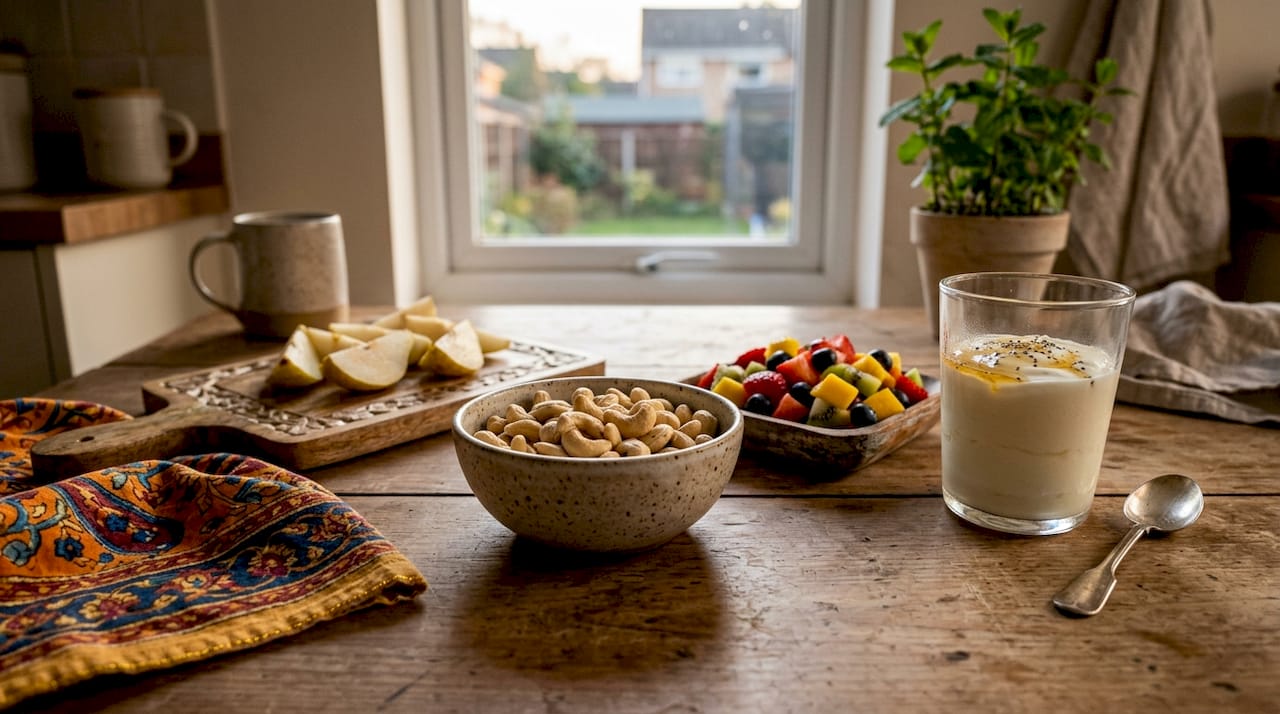
Minimally processed snacks are foods that undergo simple physical changes like washing, peeling, roasting, or freezing without the addition of fats, sugars, or preservatives. The industry term for this category is “minimally processed foods,” defined by researchers and dietitians as whole foods altered only for safety or convenience. Raw nuts, fresh fruit, plain yogurt, and hard-boiled eggs all qualify. These snacks sit at the opposite end of the spectrum from ultra-processed products loaded with artificial additives. If you want snacks that fuel your body without a chemistry lesson on the label, this is where to start.
What are minimally processed snacks, and what counts as one?
Minimally processed snacks are whole foods changed only by basic mechanical or physical methods. Washing, cutting, roasting without added oil, and freezing all qualify. The key rule is simple: no artificial additives, no added sugars, and no preservatives.
Recognized examples include raw or roasted nuts, fresh and frozen fruits, plain yogurt, hard-boiled eggs, and air-popped popcorn. Each of these starts as a whole food and stays close to its natural state. A bag of salted almonds with one ingredient, almonds, is minimally processed. A bag of flavored crackers with 30 ingredients is not.
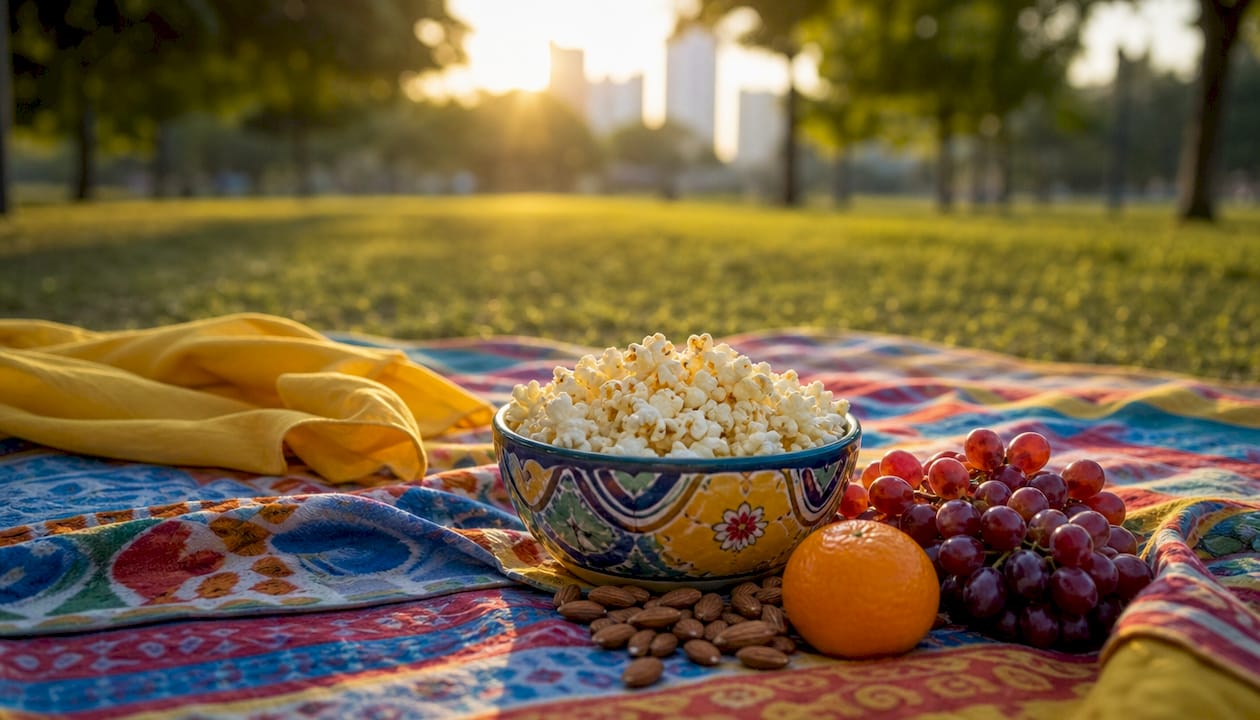
Popcorn is a particularly good example because it is a naturally whole grain snack that delivers fiber and can be seasoned simply at home. Frozen fruit is another one people overlook. Freezing preserves nutrients without adding anything, which makes it a legitimate minimally processed option year-round.
The distinction matters because not all “natural” or “healthy” labels mean minimally processed. A granola bar can carry both labels and still contain hydrogenated oils, corn syrup, and 20 other ingredients. The processing level, not the marketing copy, determines the category.
What are common examples of whole food snacks?
The most practical minimally processed snacks fall into a few reliable categories. Fresh and frozen fruits, roasted nuts, plain dairy, eggs, and whole grains cover the majority of what most people need.
Here is a quick look at how these snacks compare nutritionally:
Snack | Fiber | Protein | Natural sugars |
1 oz raw almonds | 3.5g | 6g | 0.5g |
1 medium apple | 4.4g | 0.5g | 19g |
½ cup plain Greek yogurt | 0g | 10g | 4g |
1 hard-boiled egg | 0g | 6g | 0g |
3 cups air-popped popcorn | 3.6g | 3g | 0g |
Each of these snacks delivers real nutrients with a short, recognizable ingredient list. That combination is what separates them from most packaged snack foods.
Seasonal options add variety without adding complexity. Sliced watermelon in summer, roasted pumpkin seeds in fall, and citrus segments in winter all fit the minimally processed standard. Convenience matters too. Hard-boiled eggs and portioned nuts travel well, which makes them practical for busy schedules.
Fresh or frozen fruit: No added sugar versions only. Frozen mango, berries, and cherries work well year-round.
Raw or dry-roasted nuts: Almonds, walnuts, cashews, and pistachios. Check that the only ingredient is the nut itself.
Plain yogurt or kefir: Choose options with live cultures and no added flavors or sweeteners.
Hard-boiled eggs: High protein, portable, and satisfying. Prep a batch at the start of the week.
Air-popped popcorn: Season with nutritional yeast, cumin, or smoked paprika for flavor without additives.
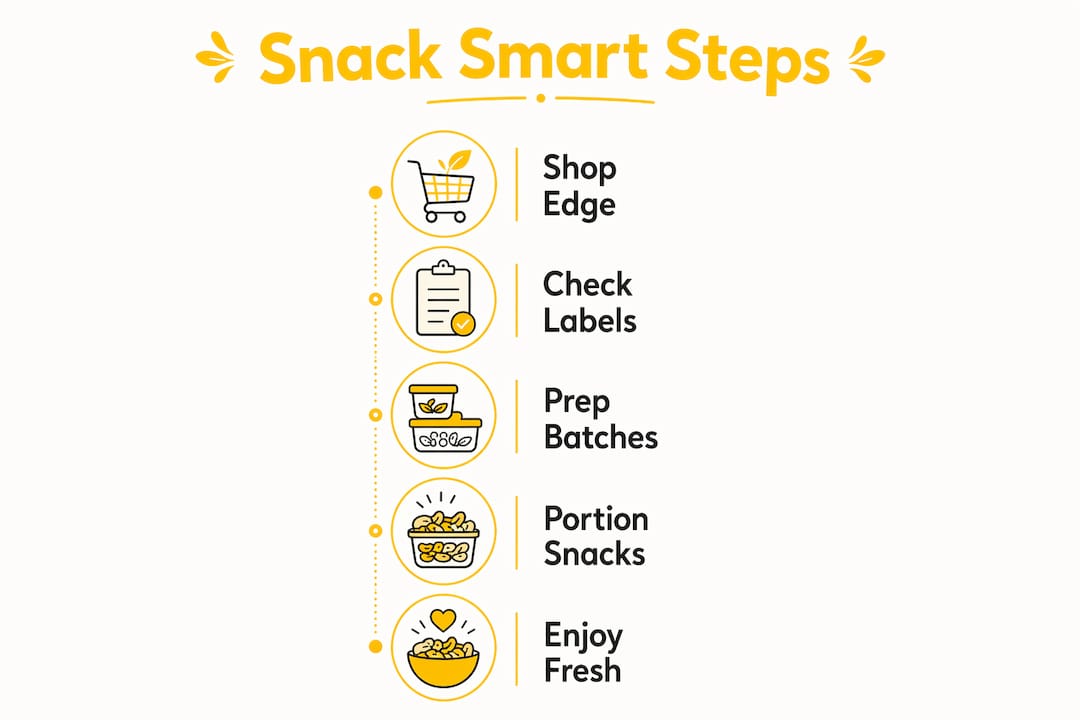
Pro Tip: Prep snacks in small containers on Sunday so you always have a grab-and-go option that does not require reading a label in a rush.
How do minimally processed snacks benefit your health?
The health case for minimally processed snacks is backed by clinical evidence, not just nutrition theory. A 2026 randomized crossover trial found that switching to a minimally processed food diet reduced fat mass by 0.98 kg and body fat percentage by 0.76% in overweight and obese adults over just 8 weeks. That result came from dietary change alone, with no added exercise intervention.
The calorie gap between diet types is striking. People on ultra-processed diets consume over 500 more calories per day than those eating minimally processed foods. That gap exists because whole foods are richer in fiber, protein, and water, all of which slow digestion and signal fullness more effectively.
Snacks like nuts, fruit, cheese, and hard-boiled eggs keep you feeling full sooner and support weight control by regulating hunger through higher fiber and protein content. Choosing these foods consistently is one of the most reliable ways to reduce overall calorie intake without counting a single number.
The benefits extend beyond weight. Stable blood sugar, consistent energy levels, and fewer cravings are all linked to mindful snacking with whole food options. Ultra-processed snacks spike blood sugar quickly and leave you hungry again within an hour. Minimally processed snacks release energy more gradually, which supports focus and mood throughout the day.
The psychological benefit is real too. Eating food you recognize and understand reduces the mental load around nutrition. You do not need to decode an ingredient list or calculate additives. That simplicity makes healthy habits easier to maintain long-term.
How to identify and choose minimally processed snacks
The most reliable method for identifying a minimally processed snack is reading the ingredient label. Fewer and more recognizable ingredients signal a food closer to its natural state. If you can picture every ingredient growing in a field or coming from an animal, you are likely looking at a minimally processed product.
Follow these steps when evaluating any packaged snack:
Count the ingredients. Five or fewer is a strong indicator of minimal processing.
Read each ingredient aloud. If you cannot pronounce it or picture it, it is likely an additive.
Look for added sugars in any form: cane syrup, dextrose, maltose, and fructose all count.
Check for hydrogenated oils. These indicate industrial processing and are a clear red flag.
Scan for stabilizers and emulsifiers like carrageenan, xanthan gum, or polysorbate 80.
Pro Tip: Shop the perimeter of the grocery store first. Fresh produce, dairy, and eggs live on the edges. The center aisles hold most of the ultra-processed products.
Experts consistently flag long, unrecognizable ingredient lists as the clearest sign of ultra-processed food. A plain rice cake with two ingredients, rice and salt, passes the test. A flavored rice cake with 15 ingredients does not.
Cost is a real consideration. Minimally processed diets can cost more and require planning, but the health return is significant. Buying nuts and fruit in bulk, prepping eggs in batches, and freezing seasonal produce all reduce the cost gap. Start by swapping one ultra-processed snack per day. That single change builds the habit without requiring a full pantry overhaul.
Incremental swapping of ultra-processed snacks with whole food alternatives improves satiety, reduces cravings, and stabilizes energy without strict dieting. Small changes compound over time. One swap a week for a month means four new habits by the end of the month.
How to prepare and enjoy minimally processed snacks at home
Home preparation keeps snacks in the minimally processed category because you control every ingredient. The techniques are simple: wash, roast, freeze, or combine. No special equipment is needed.
Start with these reliable snack combinations that balance protein, fiber, and healthy fat:
Almond butter on apple slices: Fat and fiber together slow sugar absorption and extend fullness.
Plain Greek yogurt with frozen berries: Protein from the yogurt, antioxidants from the fruit, and no added sugar needed.
Dark chocolate-covered almonds: Combining protein, fiber, and healthy fats in one snack creates lasting satiety and delivers antioxidants from the cocoa.
Chia pudding with coconut milk: Mix two tablespoons of chia seeds with half a cup of unsweetened coconut milk. Refrigerate overnight. Top with mango or kiwi.
Roasted chickpeas: Toss with olive oil and cumin, then roast at 400°F for 25 minutes. Crunchy, high in protein, and shelf-stable for days.
Traditional snack-making techniques like roasting, sun-drying, and fermenting have been used across cultures for centuries. These methods preserve food naturally without synthetic additives. Desimunchiess draws on exactly this tradition, crafting snacks using handcrafted methods that keep ingredients honest and flavors bold.
Pro Tip: Batch-roast a tray of mixed nuts and seeds at the start of each week. Store in a glass jar and portion into small bags for the week ahead. This takes 20 minutes and removes the daily decision of what to grab.
For on-the-go snacking, portioning matters as much as preparation. Pre-measured bags of nuts, pre-sliced fruit in containers, and individually wrapped hard-boiled eggs all make minimally processed choices as convenient as a vending machine. The homemade snack approach also lets you tailor flavor without relying on artificial seasoning. A pinch of chili powder, a squeeze of lime, or a drizzle of honey goes a long way.
Key Takeaways
Minimally processed snacks are the most reliable way to reduce calorie intake, improve satiety, and support long-term health without strict dieting or complicated meal plans.
Point | Details |
Definition is simple | Minimally processed snacks use only basic physical changes like washing, roasting, or freezing with no additives. |
Clinical results are real | An 8-week trial showed fat mass reduction of 0.98 kg and body fat drop of 0.76% from diet change alone. |
Label reading is the key skill | Five or fewer recognizable ingredients is the fastest way to identify a minimally processed snack. |
Calorie gap is significant | Ultra-processed diet eaters consume over 500 more daily calories than those eating minimally processed foods. |
Small swaps build lasting habits | Replacing one ultra-processed snack per day improves satiety and reduces cravings without strict dieting. |
Why I think most people overcomplicate healthy snacking
People treat healthy snacking like a research project. They track macros, buy specialty products, and read every wellness article they can find. Then they burn out and go back to chips. I have watched this cycle repeat more times than I can count.
The truth is simpler. Minimally processed snacks work because they are close to real food. Your body knows what to do with an almond or a piece of fruit. It does not need to sort through 30 ingredients to extract nutrition. The whole food snack benefits are not hidden in a supplement or a protein powder. They are in the produce aisle and your own kitchen.
What I have found actually works is starting with one change. Not a full diet overhaul. Just swap your afternoon snack for a week. A handful of walnuts instead of a bag of crackers. Plain yogurt instead of a flavored cup. That one change builds confidence, and confidence builds momentum.
The other thing people miss is flavor. Minimally processed does not mean bland. Roasted chickpeas with smoked paprika, frozen mango with chili and lime, chia pudding with fresh kiwi. These are genuinely good. The idea that healthy food is boring is the biggest obstacle to people actually eating it. Once you break that assumption, the habit sticks.
— Shivam
Desimunchiess: where bold flavor meets clean ingredients
At Desimunchiess, we believe the best snacks come from real ingredients and real care. Every product we make follows the same principle that guides minimally processed eating: start with quality, keep it honest, and make it taste like home.
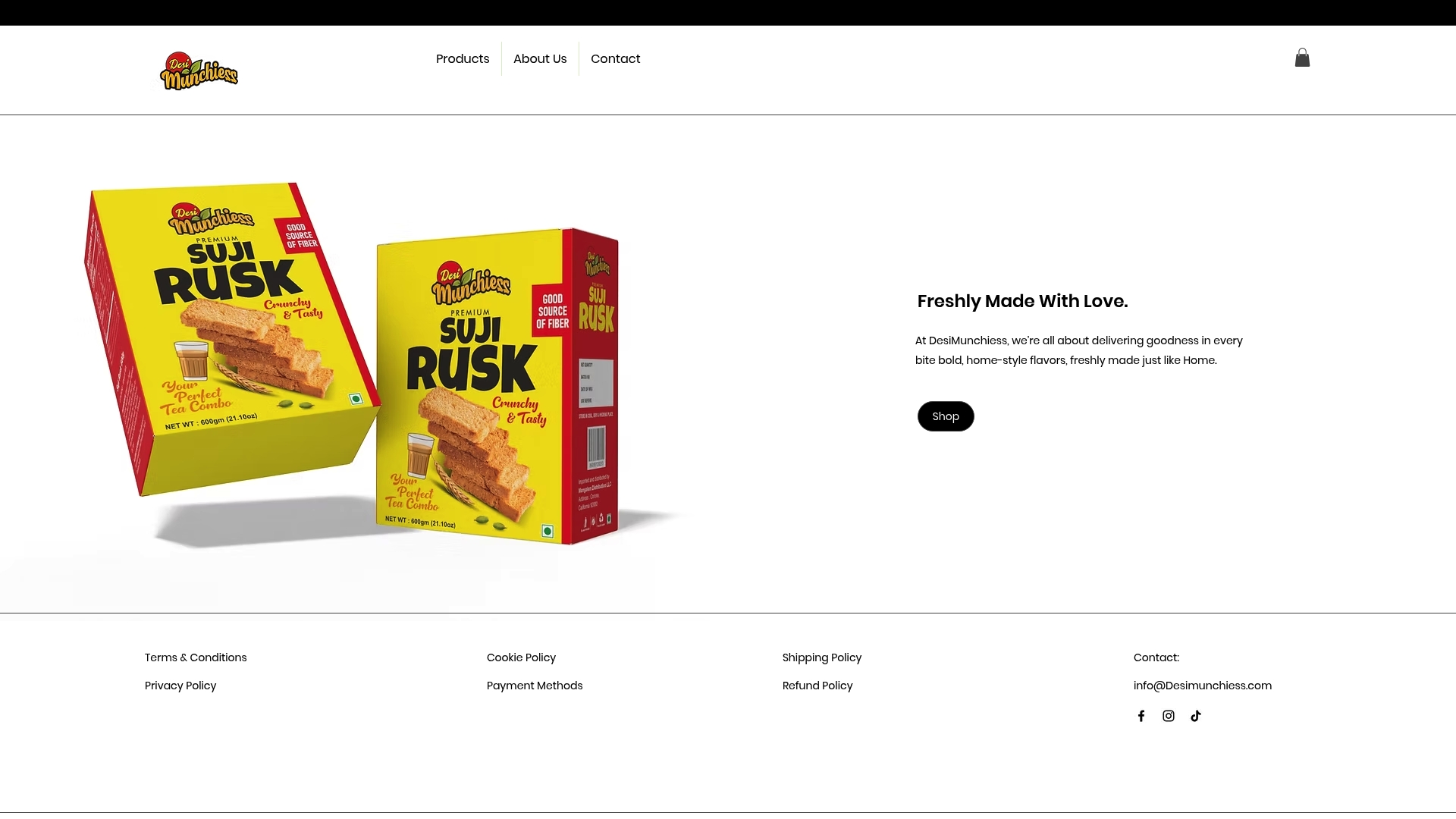
We handcraft each snack using traditional recipes and fresh ingredients, with no artificial additives and no shortcuts. If you are building a snack routine around whole, clean foods, our freshly made snack options give you bold flavor without the ingredient list you need a dictionary to read. We make it easy to snack well without giving up the taste you love. Come find your new favorite at Desimunchiess.
FAQ
What are minimally processed snacks exactly?
Minimally processed snacks are whole foods altered only by basic physical methods like washing, roasting, or freezing, with no added sugars, fats, or preservatives. Common examples include raw nuts, fresh fruit, plain yogurt, and hard-boiled eggs.
How do minimally processed snacks help with weight loss?
A 2026 clinical trial found that a minimally processed diet reduced fat mass by 0.98 kg and body fat by 0.76% over 8 weeks. Higher fiber and protein content also reduces daily calorie intake by helping you feel full sooner.
How can I tell if a snack is minimally processed?
Count the ingredients and check whether you recognize each one. Five or fewer simple, natural ingredients is a reliable indicator that a snack is minimally processed rather than ultra-processed.
Are minimally processed snacks more expensive?
Minimally processed diets can cost more upfront, but buying in bulk, prepping in batches, and freezing seasonal produce significantly reduces the cost difference over time.
What is the easiest minimally processed snack to start with?
A small handful of raw or dry-roasted nuts with a piece of fresh fruit is the simplest starting point. It requires no preparation, travels well, and delivers protein, fiber, and healthy fat in one snack.
Recommended
Comments