
Grab and Go Snack Formats: Your 2026 Guide

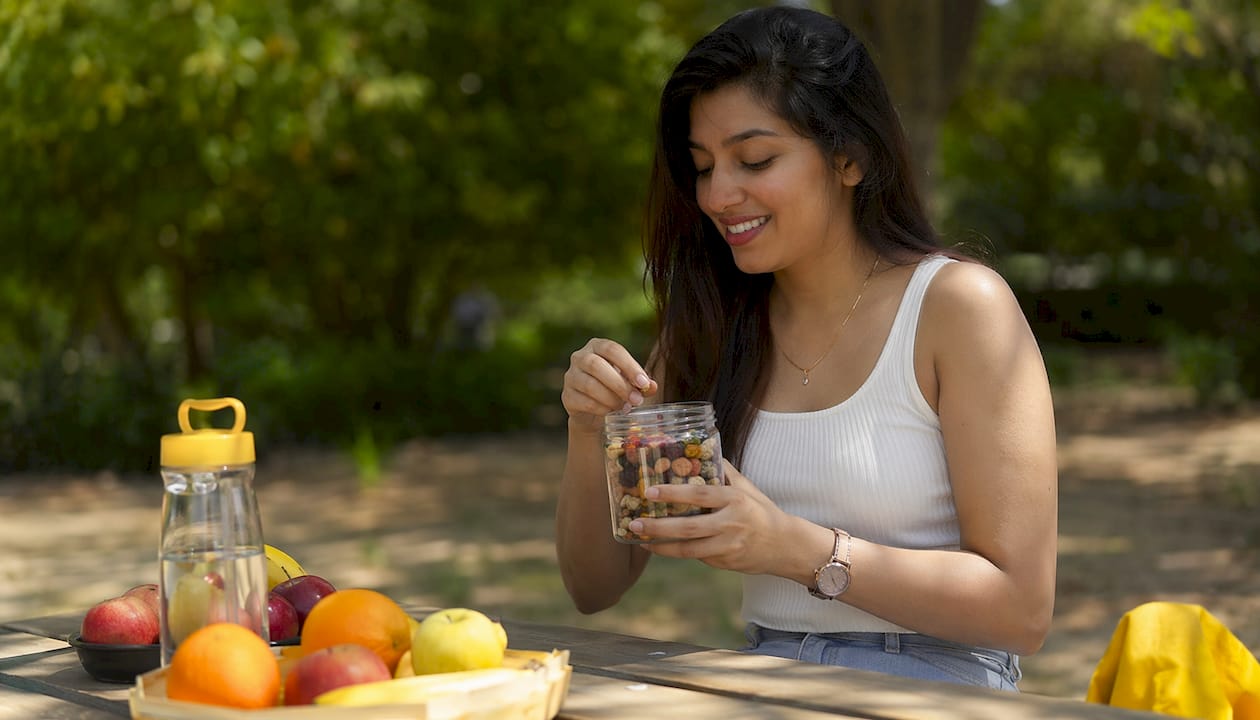
Grab and go snack formats are pre-portioned, ready-to-eat snacks designed for quick consumption without any preparation or utensils. The food industry calls these “portable snack formats” or “convenience snack units,” and the category has grown well beyond chips and candy bars. Today, these formats span everything from single-serve protein packs to fresh produce containers, all built around one idea: real food, ready when you are. If you want snacks that fit a busy schedule without sacrificing flavor or nutrition, understanding what are grab and go snack formats is the right place to start.
What are grab and go snack formats, exactly?
Grab and go snack formats are defined by three qualities: portability, pre-portioning, and no-prep consumption. You pick them up, open them, and eat. No bowl, no knife, no microwave required. That simplicity is the whole point.
Single-serve formats are the most popular option, especially among Gen Z and Millennials, with half of those consumers purchasing them weekly or more. That frequency tells you these are not occasional treats. They are a core part of how younger, busier people eat.
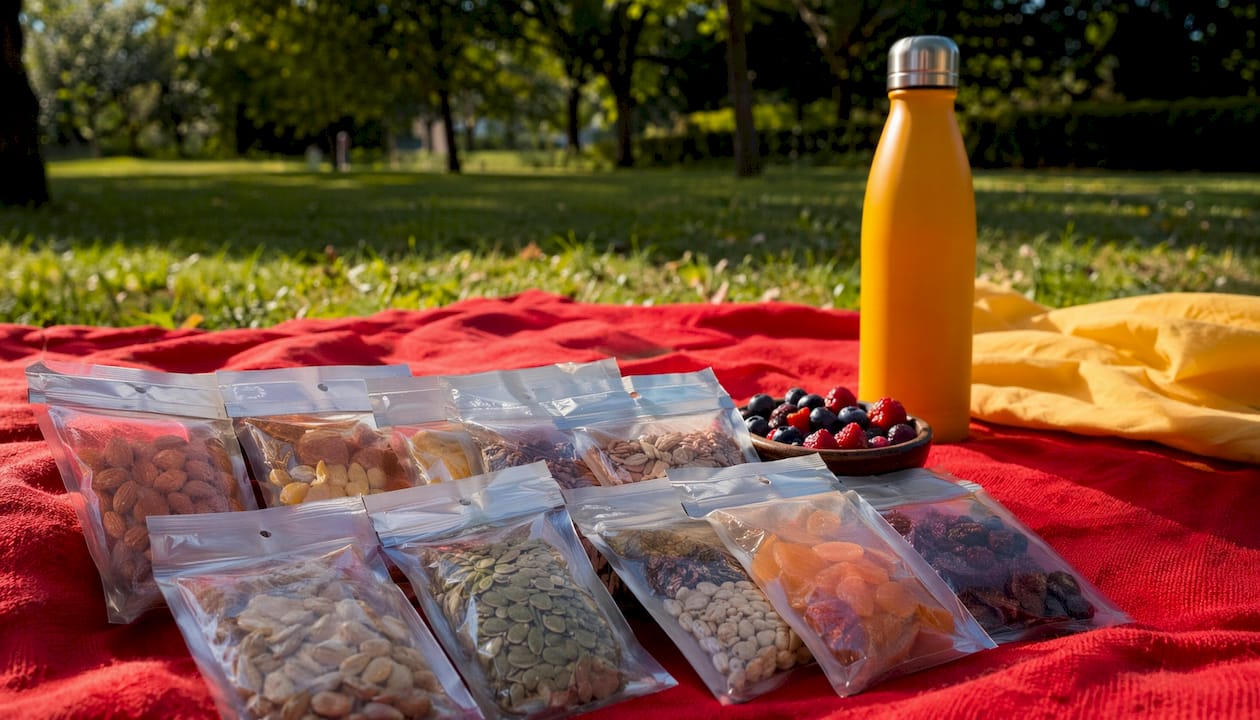
The formats also vary widely in what they deliver nutritionally. A single-serve nut pack and a fresh fruit cup are both grab and go, but they serve different hunger needs. Knowing the difference helps you pick the right format for the right moment.
Common types of grab and go snacks and how they differ
The grab and go category breaks into four main format types. Each has a different strength depending on your schedule, hunger level, and taste preference.
Single-serve packaged snacks are the most shelf-stable option. Think individual nut packs, seed mixes, or portion-controlled dried fruit bags. They travel well and need no refrigeration, making them ideal for bags, desk drawers, or car consoles.
Snack bundles combine sweet and savory items in one package, like a mix of crackers, cheese, and dried mango. These work well for longer stretches between meals because they hit multiple flavor notes and provide a broader nutrient mix.
Fresh produce and protein containers include cut vegetables with hummus, hard-boiled eggs, or cheese cubes with fruit. These are the most nutritionally dense option, but they require refrigeration and have a shorter shelf life.
Homemade portioned snacks are the format Desimunchiess customers know best. Think freshly made chivda, roasted makhana, or spiced chickpeas packed into small containers or resealable bags. They deliver bold, home-style flavor that mass-produced formats simply cannot match.
Format type | Portability | Freshness window | Best for |
Single-serve packaged | Very high | Weeks to months | Travel, desk snacking |
Snack bundles | High | Days to weeks | Between-meal hunger |
Fresh produce and protein | Moderate | 1–3 days | Health-focused, refrigerated access |
Homemade portioned snacks | High | 3–5 days | Flavor, nutrition, and authenticity |
Pro Tip: When building a weekly snack rotation, prep one format from each category. That way you always have a shelf-stable backup and a fresh option ready.
The shift toward fresh, authentic ingredients is pushing consumers away from low-quality mass-produced snacks. Providers who use real, whole ingredients now hold a clear advantage in this space.
What makes healthy grab and go options actually work?
Healthy grab and go options work when they balance functional nutrition with real flavor. A snack that tastes like cardboard gets skipped. A snack that tastes great but spikes your blood sugar leaves you hungrier an hour later. The best formats do both things right.
Modern grab and go snacks balance functional nutrition and indulgent treats, reflecting consumer desire for flexible snacking rather than strict diets. That flexibility matters because rigid eating rules rarely survive a busy week.
The most effective healthy formats share a few common traits:
Protein-rich bases: Roasted legumes, nuts, seeds, or hard-boiled eggs keep you full longer than carb-only snacks.
Low-added-sugar profiles: Dried fruit with no added sugar, plain nut butters, or spiced whole grains deliver sweetness without the crash.
Whole-food ingredients: Minimally processed snacks made from recognizable ingredients support better energy and satiety. You can read more about why whole food snacks matter for sustained energy.
Diet-inclusive options: Vegan, gluten-free, and dairy-free formats now make up a growing share of the category, so more people can snack without compromise.
Afternoon energy dips are the most common snack occasion for urban consumers. Nutrient-dense formats that recharge without empty calories are the right tool for that specific moment.
Pro Tip: Pair a protein source with a complex carb in every snack. Roasted chickpeas with a small portion of whole-grain crackers, for example, sustains energy far better than either item alone.
If you want a deeper look at better-for-you snack alternatives that still satisfy, that resource covers the shift from mass-produced to authentic options in detail.
How to prepare homemade grab and go snacks efficiently
Homemade grab and go snacks are practical. Most home-based snack prep requires only 5–10 minutes of active time and can yield a full week’s supply, with optimal freshness lasting 3–4 days when refrigerated. That is a strong return on a small time investment.
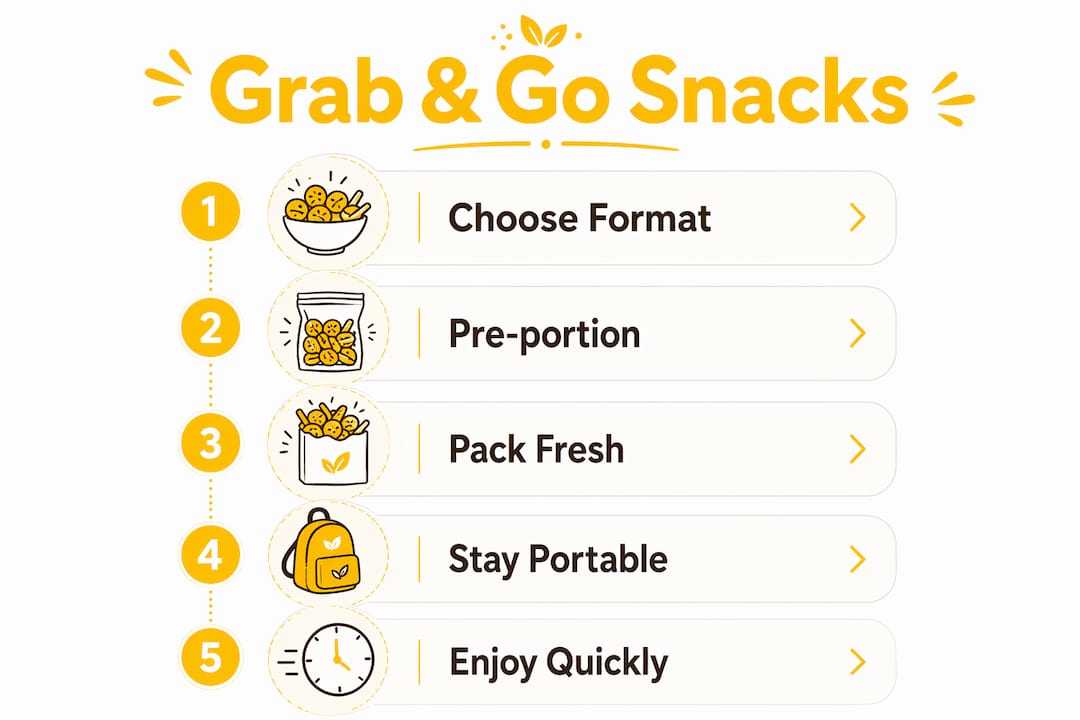
Here is a simple weekly prep process that works:
Choose 2–3 snack types. Pick one shelf-stable option (roasted nuts or spiced seeds), one fresh option (cut vegetables or fruit with dip), and one energy-dense option (no-bake energy bites or homemade granola bars).
Batch prep on one day. Sunday works well for most people. Roast, mix, or assemble everything in one session.
Portion immediately. Do not store snacks in large containers and scoop from them daily. Pre-portion into individual servings right after prep. This saves time and controls portions automatically.
Use clear, stackable containers. Clear, stackable containers provide immediate visual inventory and reduce forgotten snacks and spoilage compared to opaque containers. When you can see what you have, you actually eat it.
Freeze energy-dense snacks. No-bake energy bites can be prepared in bulk and frozen for up to 3 months. That means one prep session covers months of grab and go convenience.
Pro Tip: Place a folded paper towel at the bottom of containers holding fresh produce or deli items. It absorbs excess moisture and keeps snacks crisp and fresh significantly longer.
Simple homemade snack ideas that fit this system include spiced roasted makhana, trail mix with dried mango and seeds, sliced cucumbers with hummus cups, and oat-based energy balls with nut butter. For families who want more guidance on homemade snack nutrition, that resource breaks down prep-friendly recipes with full nutritional context.
How packaging and market trends are shaping quick snack formats
Packaging is no longer just a wrapper. It is a core part of the grab and go experience. The right packaging keeps food fresh, signals quality, and makes the snack easy to carry and open one-handed.
Grab and go snack bundles have increased menu penetration by 20% in high-traffic foodservice operators. That growth reflects real consumer demand for pre-portioned, high-quality options in busy settings like airports, gyms, and offices.
Key trends shaping grab and go food packaging right now include:
Resealable formats: Zip-lock pouches and snap-lid containers let consumers eat part of a snack and save the rest without waste.
Transparent packaging: Clear windows or fully transparent containers let buyers see the product before purchasing. This builds trust and drives purchase decisions, especially for fresh or homemade-style snacks.
Sustainability signals: Compostable pouches, recycled paperboard, and minimal plastic are now expected by a growing share of health-conscious buyers.
Smart vending integration: Temperature-controlled vending machines now stock fresh snack containers, extending the reach of grab and go formats into locations that previously only offered shelf-stable options.
Consumers now expect grab and go options that combine convenience with freshness and high-quality ingredients. That expectation is pushing the entire category toward better sourcing and more honest packaging.
Key Takeaways
Grab and go snack formats deliver the most value when they combine portability, real ingredients, and smart prep habits.
Point | Details |
Format variety matters | Single-serve, bundles, fresh containers, and homemade portions each serve different needs. |
Nutrition drives satisfaction | Protein-rich, low-sugar formats with whole-food ingredients outperform empty-calorie options. |
Home prep is fast | A 5–10 minute weekly session can produce a full week of portioned, fresh snacks. |
Packaging extends freshness | Clear, stackable containers and paper towel liners reduce spoilage and save money. |
Market is shifting upward | Consumer demand for fresh, authentic grab and go snacks is growing, not slowing. |
What I have learned from years of snacking on the go
I used to think grab and go meant compromise. You grab something fast, you accept that it will be mediocre. That assumption held up until I started paying attention to what I was actually eating and how it made me feel two hours later.
The biggest mistake I see people make is treating convenience and quality as opposites. They are not. The formats that work best, the ones I reach for consistently, are the ones where someone put real thought into the ingredients. A small bag of well-seasoned roasted chickpeas beats a processed granola bar every single time, in flavor and in how long it keeps me going.
The second thing I have learned is that homemade grab and go snacks are underrated. People assume they take too long. They do not. Ten minutes on a Sunday gives you five days of snacks you actually want to eat. The key is portioning immediately and storing smart.
My honest recommendation: stop buying snack formats that list ingredients you cannot pronounce. The best grab and go snacks, whether homemade or store-bought, read like a recipe. Bold flavors, real ingredients, and a format you can carry in one hand. That is the standard worth holding.
— Shivam
Desimunchiess: bold, fresh snacks ready when you are
We built Desimunchiess around one belief: convenience should never mean boring. Every snack we make uses traditional recipes and high-quality ingredients, so you get bold, home-style flavor in a format that fits your day.
Whether you are looking for a protein-rich afternoon pick-me-up or a flavorful snack that feels like home, our Indian snacks online selection has you covered. From freshly made chivda to spiced roasted makhana, every product is crafted to deliver goodness in every bite. No fillers, no shortcuts, just real food made with care. Shop the full range and find your new favorite grab and go snack today.
FAQ
What are the main grab and go snack formats?
The four main formats are single-serve packaged snacks, snack bundles, fresh produce and protein containers, and homemade portioned snacks. Each format differs in portability, freshness window, and nutritional profile.
How long do homemade grab and go snacks stay fresh?
Refrigerated homemade snacks stay fresh for 3–4 days when stored in sealed containers. Energy-dense snacks like no-bake energy bites can be frozen for up to 3 months.
What makes a grab and go snack healthy?
Healthy grab and go options combine a protein source with complex carbohydrates and use whole-food, minimally processed ingredients. Low added sugar and recognizable ingredients are the clearest markers of a nutritious format.
How do I keep grab and go snacks from getting soggy?
Place a folded paper towel at the bottom of containers holding fresh produce or moist items. It absorbs excess moisture and keeps snacks crisp significantly longer.
Why are single-serve snack formats so popular?
Single-serve formats lead the grab and go category because they require no portioning, travel easily, and match the eating habits of Gen Z and Millennial consumers who snack frequently throughout the day.
Recommended
Comments